For someone with coeliac disease, an explicitly labelled gluten-free roll or cake is a convenient alternative to enjoy with afternoon coffee. If you’re specifically after a bun with currants and raisins, you can follow a gluten-free recipe and bake your own. According to their product information, the standard currant buns from Albert Heijn and Jumbo contain wheat or gluten. Check the current packaging for any alternative, and avoid contact with crumbs from ordinary bread while preparing and serving it.
Who are these alternatives for?
Older people with coeliac disease who want to choose carefully
They’re looking for a product clearly labelled gluten-free and want to avoid contact with ordinary bread during preparation or serving. The Dutch Coeliac Association highlights the risk of cross-contamination, for example from a chopping board with bread crumbs on it.
Coffee drinkers who want to keep preparation to a minimum
They want an easy-to-serve alternative, such as a gluten-free roll or an individually portioned cake. You’ll still need to check the packaging and how the product is served.
Home bakers who want a currant bun
They want the combination of a bun, raisins and currants, and have time to bake from scratch. Albert Heijn’s Allerhande has a recipe using gluten-free self-raising baking mix.
What should you look for when choosing?
For people with coeliac disease, a clear gluten-free label and careful serving are essential whichever option you choose. Then decide whether you’d prefer minimal preparation, a suitable portion size or the familiar flavour of a currant bun.
| What to consider |
What to check when buying |
Who is this most important for? |
| Choosing and serving gluten-free |
Check the current gluten-free label or Crossed Grain trademark, and read the ingredients and allergen information. Use clean utensils and keep spreads separate. |
When I’m serving someone with coeliac disease, I want both the product and its preparation to remain gluten-free; around 42% of consumers say this is their top priority. |
| Convenience and portion size |
Check whether the product is ready to serve or needs baking, and compare the portion size on the packaging. |
For a coffee break that involves little preparation, I want something easy to serve in a suitable portion; around 33% of consumers put convenience first. |
| Currant bun flavour |
If you’re baking from scratch, look for a suitable gluten-free recipe and check that your chosen mix is right for it. You can also compare the nutritional information per portion. |
If I specifically want a bun with currants and raisins, I’m happy to spend time preparing it; around 25% of consumers put that familiar flavour first. |
Common mistakes
-
Mistaking an ordinary currant bun for a gluten-free one
Similar names don’t mean a product is suitable for someone with coeliac disease. Albert Heijn’s product information lists wheat in its standard raisin and currant buns; Jumbo lists wheat and gluten as allergens in its standard version.
Check the gluten-free label, ingredients and allergen information on the packaging of the product you’re actually buying.
-
Serving a gluten-free product on the same board as ordinary bread
The Dutch Coeliac Association says that crumbs on a chopping board can get into gluten-free bread.
Use a clean chopping board and knife. Keep spreads separate too, especially if a knife has been used with ordinary bread and left crumbs behind.
-
Assuming a gluten-free cake is the same as a roll
A cake is a different kind of treat, even if both products are gluten-free. Portion size and nutritional value may affect what you choose to have with your coffee.
Compare the nutritional information per portion, including sugars and fibre, rather than looking only at the gluten-free label.
-
Assuming a product you saw previously will still be available
A product range page doesn’t guarantee that a particular alternative will be available when you need it. On its page for Yam Gluten-Free Raisin Bread, Jumbo says that the product is no longer part of its online range.
Check what’s currently available before your coffee break and, if necessary, choose another product with a clear gluten-free label.
Brands to consider
Albert Heijn
Its gluten-free range includes white rolls, among other products. Allerhande also publishes a recipe for gluten-free currant buns.
- A roll takes less preparation; the recipe is an option if currants and raisins are what you’re after.
- According to the ingredients list, standard AH Raisin and Currant Buns contain wheat flour and wheat gluten, among other ingredients.
Jumbo
Jumbo offers gluten-free bread options and sells Lekker Vrij van Gluten Mini Cakes.
- Jumbo says the Mini Cakes packaging carries the Crossed Grain trademark; they’re still cakes, not currant buns.
- Jumbo’s standard Raisin and Currant Buns list wheat and gluten as allergens.
PLUS
The PLUS gluten-free range includes pistolets, among other products.
- A pistolet can be an alternative to bread with your coffee if you don’t need the flavour of a currant bun.
- Don’t assume individual PLUS Currant Buns are gluten-free just because they’re sold by a retailer with a gluten-free range; check their own packaging.
ALDI
ALDI lists gluten-free rolls in its bake-at-home range.
- Bake-at-home rolls could be suitable if you don’t mind finishing them off in the oven at home.
- ALDI describes its standard raisin and currant buns as wheat buns; don’t choose them for someone with coeliac disease.
Lidl
Lidl has a page about gluten-free products and a separate page for currant buns.
- Check the current range if you’re looking for a gluten-free alternative.
- The name of a currant bun product doesn’t mean it’s gluten-free; check the packaging of the specific product.
Bolletje
Bolletje offers rusks, crackers and snacks, among other products.
- The brand name alone tells you nothing about whether an individual product is gluten-free. Always check the current packaging.
A Joybuy product for home baking
If you want to make a gluten-free bread alternative at home for your afternoon coffee, this bread mix isn’t a ready-made currant bun. If you specifically want to make buns with currants and raisins, check that the mix is suitable for your recipe.
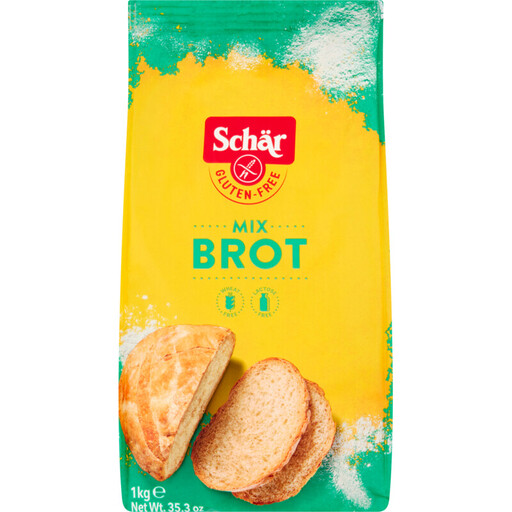 Image unavailable
Schär Bread Mix-Mix B Gluten Free, 1 kg
This gluten-free bread mix is a good option if you want to make bread yourself before afternoon coffee; you’ll need to prepare it before you can serve it.
Pack size: 1 kg. If you have coeliac disease, use clean utensils and check the current packaging for ingredients and allergen information.
View at Joybuy
Frequently asked questions
Can someone with coeliac disease eat an ordinary currant bun if wheat isn’t near the top of the ingredients list?
No, not if the ingredients or allergen information lists wheat or other gluten-containing cereals; its position in the list doesn’t make it safe. Albert Heijn lists wheat in its standard raisin and currant buns, while Jumbo lists wheat and gluten in its standard version. Choose a product with a clear gluten-free label and check the current packaging.
When can a product be labelled ‘gluten-free’ in the Netherlands?
Under Commission Implementing Regulation (EU) No 828/2014, a product can be labelled ‘gluten-free’ if the finished product contains less than 20 mg of gluten per kg. The Crossed Grain trademark is also a recognised label for gluten-free products; take care to prevent cross-contamination when serving, too.
How can I prevent cross-contamination with afternoon coffee?
Serve gluten-free bread or cake with a clean chopping board, a clean knife and separate spreads. The Dutch Coeliac Association warns that crumbs from ordinary bread can get onto gluten-free bread via a chopping board.
Is a gluten-free cake the same alternative as a currant bun?
No. A cake can be an individually portioned treat to enjoy with coffee, but it won’t necessarily have the same ingredients or flavour as a currant bun. Jumbo states that each 38.3 g Lekker Vrij van Gluten Mini Cake contains 6.8 g of sugars and 0.1 g of fibre; compare the nutritional information per portion if that matters to your choice.


