Who is this choice relevant to?

Anyone with coeliac disease looking for a cracker to have with their coffee

A quick snack is only an option if the current packaging explicitly says ‘gluten-free’. Check the ingredients and allergen information as well, even if you’ve bought the product before.

Anyone who likes toppings on a gluten-free cracker

You’ll want a shape and texture that suit your toppings. Seed crackers and crispbread are alternatives to light crackers, but you’ll also need to check ingredients such as egg, oats and sesame, as the product information from Jumbo and Albert Heijn shows.

Anyone comparing fibre and salt

Once you’ve checked the gluten-free claim, look at the nutritional information per 100 g. The fibre and salt values listed vary between the light crackers, seed crackers and crispbread from Jumbo, Albert Heijn and Wasa included in this comparison.

What should you look for when choosing?

First check for a gluten-free claim and any other allergens. Then compare the pack size, how you’ll eat the crackers with toppings and the nutritional information.

What to consider What to check when buying Who it matters most to
Gluten-free claim Look for ‘gluten-free’ on the current packaging. Under Commission Implementing Regulation (EU) No 828/2014, this claim can be used on products sold to consumers if they contain no more than 20 mg/kg of gluten. If I’m choosing a cracker for my coffee break with coeliac disease, I don’t want to rely on a different nutrition claim. Around 36% of consumers put this gluten-free claim first.
Other allergens Read the ingredients and any ‘contains’ and ‘may contain’ statements; a gluten-free claim doesn’t replace this information. When choosing a cracker, I need to consider any other allergens as well as gluten. Around 29% of consumers prioritise this additional allergen check.
Portions and toppings Compare the pack size and product shape with how you plan to eat the cracker. For a short break, I want something that’s easy to take with me or pair with my chosen toppings. Around 21% of consumers prioritise this convenience.
Fibre and salt Compare the nutritional information per 100 g, so the fibre and salt values are measured on the same basis. When several gluten-free options are suitable, I mainly want to compare their fibre and salt values. Around 14% of consumers prioritise this nutritional comparison.

Common mistakes

  • Assuming ‘low-carb’ or ‘wholegrain’ means ‘gluten-free’

    These terms don’t confirm that a cracker meets the requirements for a gluten-free claim. A nutrition claim alone isn’t a reliable basis for choosing a product if you have coeliac disease.

    First look for an explicit ‘gluten-free’ claim on the current packaging; only then compare other product features.

  • Checking only the gluten-free claim

    Gluten-free crackers can contain other allergens. For example, Schär lists soya in its crackers, while the Jumbo seed crackers included in this comparison contain egg, oats and sesame.

    Every time you buy them, check the ingredients and any ‘may contain’ statements too.

  • Choosing seed crackers without comparing salt

    Having seeds in the name tells you nothing about the salt content. Albert Heijn’s product information lists 0,78 g of salt per 100 g for its gluten-free seed crackers; Jumbo lists 3,63 g per 100 g for the seed crackers included in this comparison.

    Compare the current nutrition tables per 100 g, and look at fibre and salt separately.

  • Leaving an opened pack unsealed

    If you like a crisp cracker with your coffee, it’s worth following the storage advice too. Albert Heijn recommends resealing the pack of the seed crackers included in this comparison after use.

    Follow the storage advice on the pack and reseal it after taking out a portion.

Brands to consider

Jumbo Lekker Vrij van Gluten

The range included in this comparison features light crackers and seed crackers. According to Jumbo, both products carry the Crossed Grain symbol.

  • The light crackers list rice flour, maize flour and salt as ingredients.
  • The seed crackers contain egg, oats and sesame, may contain nuts and list 3,63 g of salt per 100 g.

Albert Heijn Glutenvrij

The gluten-free seed crackers included in this comparison are worth considering if you’re looking for a cracker to add toppings to. According to Albert Heijn, they’re made in a completely gluten-free environment.

  • The nutritional information lists 14 g of fibre and 16 g of protein per 100 g.
  • The product contains egg, sesame and oats, and may contain milk; check the current packaging.

Schär

According to the product information, Schär Crackers are a light, salted option divided into six 35 g portions.

  • The product information describes the crackers as gluten-free, wheat-free and lactose-free.
  • The crackers contain soya; the listed fibre content is 4,4 g per 100 g.

Wasa

According to Jumbo’s product information, the Sesame & Sea Salt crispbread included in this comparison is gluten-free and lactose-free.

  • The nutritional information lists 10 g of fibre per 100 g.
  • It contains sesame and may contain milk, mustard and soya; the listed salt content is 1,2 g per 100 g.

Nairn’s

The Gluten Free Super Seeded Wholegrain Crackers included in this comparison combine gluten-free wholegrain oats with seeds.

  • According to Jumbo’s product information, this variety contains 51% gluten-free wholegrain oats and 7,9 g of fibre per 100 g.
  • The product contains oats, may contain milk and, according to the product information, is not suitable for anyone with an avenin allergy.

Products for a coffee break

This Joybuy selection includes a savoury lentil wafer for a quick coffee break. If you’re specifically looking for a traditional cracker or a base for toppings, you can factor the product shape into your choice.
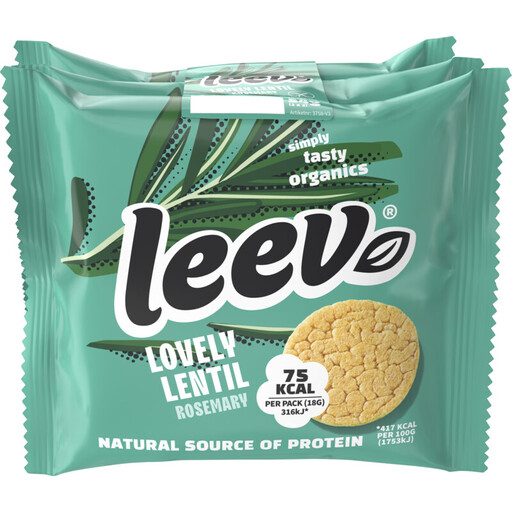
Leev Organic Rosemary Lentil Wafers, 54 g pack

Leev Organic Rosemary Lentil Wafers 54 g

A lentil wafer makes a savoury snack to enjoy with coffee, but it isn’t a traditional cracker for toppings. The pack contains 54 g; if you have coeliac disease, check the current packaging for an explicit gluten-free claim and allergen information.

View on Joybuy

Frequently asked questions

How can I tell if a cracker is gluten-free and suitable with coffee?

Check that the current packaging explicitly says ‘gluten-free’. Under Commission Implementing Regulation (EU) No 828/2014, this claim can be used in the EU if the product sold to consumers contains no more than 20 mg/kg of gluten. Check the ingredients and allergen information as well.

Does gluten-free also mean free from other allergens?

No, a gluten-free cracker may contain other allergens. The Schär crackers included in this comparison contain soya, while Jumbo’s seed crackers contain egg, oats and sesame. So be sure to check the allergen information on the pack too.

Are oat crackers always gluten-free?

No. If a cracker contains oats, check that specific product for a gluten-free claim. The Nairn’s variety included in this comparison lists gluten-free oats, but according to the product information it isn’t suitable for anyone with an avenin allergy.

Are low-carb crackers gluten-free too?

Not just because they’re labelled ‘low-carb’: that term doesn’t confirm a gluten-free claim. Check for the gluten-free claim separately on the current packaging before choosing the cracker for a gluten-free coffee break.

How should I store crackers once they’re open?

Follow the storage advice on the pack and seal it properly after use. Albert Heijn gives the same resealing advice for its gluten-free seed crackers included in this comparison.
