
Older people with coeliac disease as the main consideration
For anyone who prioritises a gluten-free label and serving food without contact with gluten-containing crumbs over variety of flavour.


If you’re choosing for an older person with coeliac disease, first look for a clear gluten-free label and avoid contact with gluten-containing crumbs when serving. Then compare texture, portion packaging and nutritional information: a crunchy cracker isn’t automatically suitable for someone with swallowing difficulties.
For anyone who prioritises a gluten-free label and serving food without contact with gluten-containing crumbs over variety of flavour.
For anyone who finds a light cracker or individually portioned pack practical, as long as the texture is suitable for them.
For anyone who considers fibre, protein or salt when choosing between rice and maize, seed and legume crackers. Ingredients and allergens vary by product.
Start with the gluten-free label and how the crackers will be served. Then choose a texture and portion size that suit your coffee break, and only then compare the nutritional information of products that meet those requirements.
| What to consider | What to check | Who it matters to |
|---|---|---|
| Serving gluten-free food | Check the gluten-free label on the packaging. If you’re sharing a table, keep the crackers, toppings and utensils free from gluten-containing crumbs. | If someone with coeliac disease is joining me, I want to consider both the product and how it’s served. For around 50% of consumers, this is the main priority. |
| Portion size and texture | Compare the portion packaging and the texture described, such as light or crunchy. If someone has swallowing difficulties, don’t rely on the product description alone. | At coffee time, I’m looking for a manageable portion with a texture the person eating it will enjoy. Around 30% of consumers give ease of eating the highest priority. |
| Nutritional information and ingredients | Compare fibre, protein and salt per 100 g and per portion; also read the ingredients and allergen information, especially for products containing oats or seeds. | I want to know what the cracker contains before choosing between grain, seed and legume varieties. This is the most important factor for around 20% of consumers. |
According to the Dutch Coeliac Society, crumbs and shared utensils can lead to cross-contamination. Once the product is served this way, the label on the packaging can no longer protect it.
Keep the crackers packaged for as long as possible, and use clean, separate utensils for gluten-free crackers and toppings.
Light and crunchy describe a product; they don’t tell you whether it’s suitable for someone who has difficulty swallowing.
If someone has swallowing difficulties, don’t assume a cracker is an obvious choice. Thuisarts explains how food and drink can be adapted and when a dietitian can help with swallowing problems.
According to Jumbo, Jumbo Lekker Vrij van Gluten Seed Crackers also contain egg, oats and sesame, and may contain nuts. The Dutch Coeliac Society notes that not everyone with coeliac disease tolerates pure gluten-free oats equally well.
Check the latest ingredients and allergen information every time you buy. If you’ve had symptoms after eating oats, discuss this with a doctor or specialist dietitian.
This product range includes both light rice and maize crackers and seed crackers.
The products described are thin gluten-free crackers and the light Fette Croccanti.
The Classic variety described is gluten-free and lactose-free crispbread in individual portions.
The Erwt-Linzen variety described is a light gluten-free cracker made from legumes.
These lentil wafers are a snack option for coffee time, but they aren’t described as crackers. So don’t automatically compare them with the crackers above as though they were the same type of product.
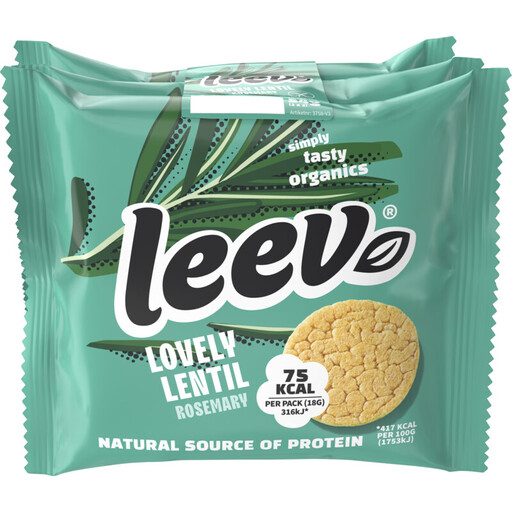 Image unavailable
For anyone considering lentil wafers instead of crackers with their coffee. The product information describes them as gluten-free; if you’re buying for someone with coeliac disease, check the latest packaging and read the information about milk and soya too. If serving them alongside other foods, keep the wafers separate from gluten-containing crumbs.
Under Commission Implementing Regulation (EU) No 828/2014, a food can only be labelled ‘gluten-free’ if the product sold to the end consumer contains no more than 20 mg of gluten per kg. Check the current packaging when choosing, and also take care to avoid cross-contamination when serving food to others.
Keep the crackers separate and packaged for as long as possible. The Dutch Coeliac Society advises avoiding cross-contamination from hands, crumbs and utensils, among other things, so use clean hands, separate toppings and clean utensils.
The description ‘light’ doesn’t tell you that. For swallowing difficulties, Thuisarts recommends discussing adapted food and drink and help from a dietitian. Get advice on a suitable texture rather than trying to infer it from a product name.
According to the Dutch Coeliac Society, most people with coeliac disease tolerate pure oats that haven’t been contaminated with gluten, but a small number may still experience symptoms or an immune reaction. Choose oats that are clearly labelled gluten-free, and discuss any previous symptoms with a doctor or specialist dietitian.