Who is this choice important for?

Home bakers sharing a table with someone with coeliac disease

You’re making Dutch doughnuts and want to serve a chocolate biscuit alongside them. According to the Netherlands Nutrition Centre, even a bread crumb can cause symptoms for someone with coeliac disease. So check not only the biscuit, but also whether it could come into contact with regular Dutch doughnuts during preparation and serving.

Hosts making both regular and gluten-free Dutch doughnuts

You want to keep the ingredients and serving utensils separate. Albert Heijn Allerhande’s gluten-free Dutch doughnut recipe uses a gluten-free bread mix as its base; you can serve a packaged chocolate biscuit separately.

Biscuits shoppers checking for other allergens

As well as gluten, milk, soya, egg or nuts may be relevant to the person eating them. Read the ingredients and allergen information for the specific biscuit, even if its product name says it’s gluten-free.

What should you look for when buying?

Treat the biscuit to serve on the side and the mix for the Dutch doughnut batter as two separate things. A gluten-free chocolate biscuit is not a substitute for the baking mix.

What to consider What to check when buying Who is this most important for?
Choose gluten-free and keep it separate Check the current gluten-free label and ingredients list. Keep the biscuit away from wheat-containing products during preparation and serving. If someone with coeliac disease is joining us, I want to prevent the biscuit or serving utensils from coming into contact with gluten. Around 50% of consumers put this strict gluten-free suitability first.
Chocolate and biscuit texture Choose between a chocolate coating and chocolate pieces, and check the packaging for other allergens. For a biscuit to have alongside a Dutch doughnut, I want recognisable chocolate and a texture I enjoy, without resorting to a wheat biscuit. For around 30% of consumers, choosing the biscuit is their main concern.
Dutch doughnut batter Choose a gluten-free mix suitable for the bread dough in your Dutch doughnut recipe and follow the preparation instructions provided. If I’m making Dutch doughnuts myself, the main thing is knowing which mix works for the batter; I’ll serve a biscuit separately. This practical baking option comes first for around 20% of consumers.

Common mistakes with biscuits and Dutch doughnuts

  • Assuming a chocolate coating or familiar brand means a product is gluten-free

    According to Verkade, Verkade Chocorondjes contain wheat flour; Lotus Bakeries lists wheat flour in Lotus Biscoff Original. So a brand name or chocolate coating doesn’t tell you whether a specific biscuit is gluten-free.

    Choose based on the current packaging: look for a gluten-free label and read the ingredients list.

  • Ignoring other allergens as soon as you see a gluten-free label

    A gluten-free biscuit may still contain other allergens. Albert Heijn lists hazelnuts, milk and egg in its gluten-free chocolate chip cookies; Verkade lists milk and soya in Oaties Milk Chocolate.

    Check the ingredients and allergen information every time you buy, for all allergens that are relevant to the person eating them.

  • Using biscuits instead of a gluten-free bread mix

    Albert Heijn Allerhande and Rutger Bakt’s gluten-free Dutch doughnut recipes call for a gluten-free mix suitable for bread, not crushed chocolate biscuits as a substitute.

    Follow a suitable Dutch doughnut recipe for the batter and serve the chocolate biscuit separately, unless a specific recipe calls for it as an addition.

  • Preparing or serving regular and gluten-free products together

    According to the Netherlands Nutrition Centre, even a stray bread crumb can cause symptoms for someone with coeliac disease. So contact with regular Dutch doughnuts or wheat biscuits matters even after baking.

    Use clean kitchen utensils and a clean serving plate, and keep gluten-free ingredients and prepared products separate.

Brands worth comparing

Verkade

Verkade Oaties Milk Chocolate is a chocolate biscuit made with gluten-free oats, which Verkade describes as gluten-free.

  • The manufacturer lists gluten-free rolled oats and gluten-free oat flour in Oaties Milk Chocolate.
  • Oaties Milk Chocolate contains milk and soya. Verkade Chocorondjes, on the other hand, contain wheat flour: check the specific product, not just the brand.

Albert Heijn

AH Gluten-free Chocolate Chip Cookies are an option if you’re looking for a gluten-free biscuit with chocolate pieces.

  • According to Albert Heijn, these biscuits are made in a completely gluten-free environment.
  • They contain hazelnuts, milk and egg. Albert Heijn recommends checking the packaging, as recipes and allergen information can change.

Jumbo Lekker Vrij

Jumbo lists Lekker Vrij Gluten-free Milk Chocolate Digestives, 165 g, as a chocolate biscuit in this range.

  • The product name distinguishes these gluten-free milk chocolate digestives from regular digestives.
  • Before buying, check the label on the specific pack for ingredients and other allergens.

Lotus Biscoff

Lotus Biscoff Original is a speculoos biscuit, so it’s not a gluten-free chocolate biscuit to choose for someone with coeliac disease.

  • Lotus Bakeries lists wheat flour among the ingredients in Biscoff Original.

Chocolate biscuits on Joybuy to serve with Dutch doughnuts

This biscuit is intended to be served separately with homemade Dutch doughnuts, not to replace the gluten-free bread mix in the batter.
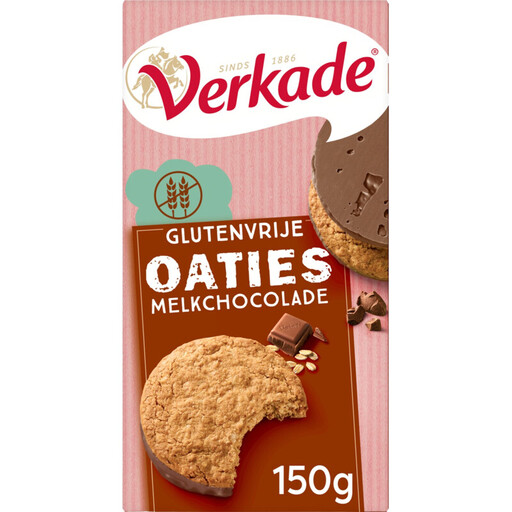
Verkade GV Oaties Milk Chocolate, 150 g

Verkade GV Oaties Milk Chocolate, 150 g

A chocolate biscuit to serve separately with Dutch doughnuts, provided the current packaging carries the gluten-free label you need.

  • Pack size: 150 g; according to Verkade, made with gluten-free oats and milk chocolate.
  • Contains milk and soya and may contain nuts. Check the current packaging for allergens relevant to the person eating them.
View on Joybuy

Frequently asked questions

Can I serve regular chocolate biscuits if someone with coeliac disease is joining us?

Not if they contain wheat or another gluten-containing cereal. According to their manufacturers, Verkade Chocorondjes and Lotus Biscoff Original contain wheat flour. Choose a biscuit whose current packaging says it’s gluten-free for the person concerned.

Can chocolate biscuits replace the bread mix in gluten-free Dutch doughnut batter?

No. Don’t use them as a direct substitute for the mix in the recipes mentioned. Albert Heijn Allerhande uses a gluten-free bread mix, while Rutger Bakt recommends a gluten-free mix suitable for bread. Serve the biscuit separately, or follow a recipe that specifically uses it as an addition.

How should I store and serve the biscuits with Dutch doughnuts?

Follow the storage instructions on the packaging and keep the biscuits separate from wheat-containing products when serving. Albert Heijn recommends storing its gluten-free chocolate chip cookies in a cool, dark and dry place; if someone has coeliac disease, use clean serving utensils too.

What should I check besides the gluten-free label?

Read the current ingredients and allergen information too, especially if milk, soya, egg or nuts are relevant. According to the Netherlands Food and Consumer Product Safety Authority, any gluten-containing cereals used must be clearly identifiable in the ingredients list.
