If you’re choosing a chocolate biscuit for a guest with coeliac disease, pick one whose current packaging clearly says it is gluten-free. Check the ingredients, allergens and warnings too, and serve it separately from regular biscuits. Once you’ve found suitable options, you can choose between chocolate chips, a chocolate coating or a digestive. Lactose-free is only an extra requirement if your guest needs it too.
Who are you choosing for?
Hosting someone with coeliac disease
You want to serve a biscuit with coffee without relying on its appearance or main ingredient. Check the gluten-free labelling on the packaging and keep crumbs from regular biscuits well away. The Dutch Coeliac Association stresses the importance of preventing cross-contamination.
A chocolate biscuit lover who chooses gluten-free
You’re also looking for a biscuit that suits your taste among the gluten-free options. Verkade describes an oat biscuit with milk chocolate, while Jumbo lists chocolate chip cookies and chocolate digestives with gluten-free labelling.
A guest with additional dietary restrictions
As well as being gluten-free, the biscuit may also need to be lactose-free, or you may need to avoid a specific allergen. So check the ingredients and allergen statement on the pack you choose: a lactose-free label doesn’t mean a biscuit is also milk-free or free from other allergens.
What should you look for?
Start with your guest’s requirements, then compare the types of biscuit. For coeliac disease, the gluten-free labelling on the current packaging is the starting point; a chocolate coating or oats as an ingredient are no substitute.
| What to consider |
What to look for |
Who it matters to |
| Gluten-free for coeliac disease |
Check the gluten-free labelling and warnings on the pack. Use a clean plate or serving tongs. |
If my friend has coeliac disease, I don’t want to have to guess whether a biscuit is suitable for them or might come into contact with regular crumbs. For around 50% of consumers, suitability comes first. |
| Type of biscuit and chocolate |
Once you’ve checked that it’s gluten-free, compare a cookie with chocolate chips, a digestive or an oat biscuit with a chocolate coating. |
Once I know which options are suitable, I want to choose something we’ll enjoy with our coffee. Around 30% of consumers then give their preferred type of biscuit the highest priority. |
| Additional restrictions |
Check for a lactose-free label, as well as the individual ingredients and allergen warnings. |
If a guest needs to avoid lactose as well as gluten, or has an allergy, the same pack must meet both requirements. For around 20% of consumers, this combination is their top purchase priority. |
Common mistakes
-
Assuming an oat or chocolate biscuit is gluten-free
The type of biscuit and its appearance don’t tell you whether the finished product is labelled gluten-free.
Check the current packaging before choosing a biscuit for someone with coeliac disease. Also look at the ingredients and warnings about cereals containing gluten.
-
Offering a regular biscuit with coffee as an alternative
Lotus lists wheat flour as an ingredient in Lotus Biscoff The Original Speculoos. This regular version is therefore not a gluten-free alternative.
Choose a separate biscuit that is clearly labelled gluten-free for your guest with coeliac disease.
-
Forgetting about crumbs and shared serving utensils
According to the Dutch Coeliac Association, gluten can get onto a gluten-free product via crumbs or contact with other food.
Keep gluten-free biscuits separate and use a clean plate and serving tongs, or leave them individually wrapped until you’re ready to serve.
-
Confusing lactose-free with allergen-free
A lactose-free label says nothing about the absence of other allergens. For Céréal’s gluten-free and lactose-free chocolate biscuits, Jumbo also provides information about soya and the possible presence of other allergens.
Ask which restriction applies to your guest and read the full allergen statement on the specific pack.
Brands to consider
Verkade
For anyone looking for an oat biscuit with milk chocolate, Verkade describes Oaties Milk Chocolate as gluten-free.
- A specific chocolate oat biscuit to check against the current packaging.
- The product specifications for this version list oats, milk and soya, and warn that it may contain nuts.
Albert Heijn
AH Gluten-Free Chocolate Chip Cookies is an own-brand option for anyone looking for a cookie with chocolate chips.
- The gluten-free labelling and type of biscuit are included in the product name.
- Albert Heijn notes that ingredient and allergen information may change, so check the pack you buy.
Jumbo
Jumbo lists products including Lekker Vrij van Gluten Digestives Melkchocolade, Schär Choco Chip Cookies and Céréal chocolate biscuits labelled gluten-free and lactose-free.
- These products offer different types of biscuit and, for the Céréal version mentioned, an additional lactose-free label.
- Check the packaging of the version you choose for ingredients and allergens; the labels are not interchangeable.
Lotus
Lotus Biscoff is a regular biscuit to enjoy with coffee, not an alternative to the gluten-free option needed in this company.
- A familiar example of a coffee biscuit where the ingredients are what matter.
- Lotus lists wheat flour in Biscoff The Original Speculoos; don’t offer this version as a gluten-free biscuit.
Lidl
Lidl sells biscuits under the Sondey brand. The brand name or the words ‘chocolate chip’ don’t, by themselves, tell you whether a product is gluten-free.
- You can check the labelling and ingredients on the pack of a specific product.
- Only choose a Sondey chocolate biscuit for a guest with coeliac disease if the current packaging clearly labels it gluten-free.
Aldi
Aldi lists Biscotto chocolate biscuits in different chocolate varieties, but that doesn’t automatically make them gluten-free.
- You can consider the chocolate variety once the specific product meets your guest’s dietary requirements.
- Don’t use the Biscotto biscuits mentioned as a gluten-free option unless the current packaging clearly says they are gluten-free.
Chocolate biscuits on Joybuy
If you’re looking for a chocolate biscuit to enjoy with coffee, this selection features an oat biscuit with milk chocolate described as gluten-free. If you’re buying for a guest with coeliac disease, also check the current packaging and your guest’s requirements.
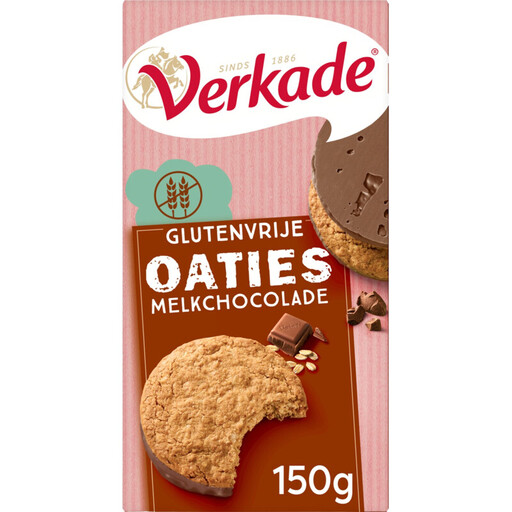 Image unavailable
Verkade Gluten-Free Oaties Milk Chocolate 150 g
An oat biscuit described as gluten-free, topped with a layer of milk chocolate to enjoy with coffee.
150 g pack. The product specifications list oats, milk and soya, and note the possible presence of nuts. Before serving it to your guest, check the gluten-free labelling, any warnings and the allergens on the current packaging. Also ask whether oats are suitable for them.
View on Joybuy
Frequently asked questions
Can I rely on oats or chocolate when choosing a gluten-free biscuit?
No. For a guest with coeliac disease, choose a biscuit based on the gluten-free labelling on the current packaging. An oat biscuit or chocolate coating doesn’t, by itself, prove that the biscuit meets this requirement.
What if a biscuit says it may contain cereals containing gluten?
Don’t assume that biscuit is suitable for someone with coeliac disease. According to the Dutch Coeliac Association, this kind of warning indicates a real risk of cross-contamination. If in doubt, check with your guest before choosing.
How should I serve gluten-free biscuits alongside regular biscuits?
Set the gluten-free biscuits out separately and use clean serving utensils. This limits contact with crumbs from regular biscuits, which the Dutch Coeliac Association warns about in relation to coeliac disease.
Is a lactose-free chocolate biscuit also free from milk and other allergens?
No. Lactose-free doesn’t automatically mean milk-free or free from other allergens. If your guest has an additional restriction, check the ingredients and allergen statement for the specific product.
Which product information should I follow if the online description differs from the pack?
Before serving, read the current packaging of the biscuits you’ve bought. Albert Heijn notes that changes to a product can affect its ingredients, nutritional values and allergen information.


