If your toddler needs to follow a strict gluten-free diet, choose breakfast cereals labelled gluten-free on the current packaging, and check the ingredients and allergens too; having oats, maize or rice as the main ingredient isn’t enough. If there’s no dietary need, gluten-free doesn’t have to be a selection criterion: the Netherlands Nutrition Centre recommends wholegrain breakfast cereals with no added sugar or salt as an alternative to bread.
Who are these choices relevant to?
Parents of a toddler with coeliac disease or a wheat allergy
If your toddler has been prescribed a gluten-free diet, check the label on the current packaging as well as the ingredients and allergens. Ordinary oats aren’t automatically suitable: according to Quaker Netherlands, oat products may be cross-contaminated with wheat, rye or barley. If your child has a wheat allergy, also check the information specifically about wheat.
Parents comparing breakfast cereals for everyday use
The Netherlands Nutrition Centre lists porridge oats, muesli and other wholegrain breakfast cereals with no added sugar or salt as possible alternatives to bread for children aged 1 to 3. So, even when choosing a gluten-free option, the ingredients and nutritional values still matter.
Parents of a fussy or rushed breakfast eater
If you’re looking for something your toddler will eat, you could try porridge or cereal mixed into yoghurt. Even with an appealing crunchy option, check that the ingredients and texture are suitable for your child.
What should you look for when choosing?
First, establish which dietary requirements apply to your child. Then compare the ingredients, nutritional values and ways of serving the cereal among the products that are suitable.
| What to consider | What to check when buying | Who is this most important for? |
|---|
| Gluten-free label |
Check the current packaging for a gluten-free label and read the ingredients, allergens and cross-contamination warnings. |
If my toddler needs to eat strictly gluten-free, I don’t want to rely on the type of grain alone. This check is a top priority for around 36% of consumers. |
| Everyday nutrition |
Compare added sugar and salt, and see whether a wholegrain option is suitable among the products you can choose from. |
I’m looking for breakfast cereals to add variety to bread, without taking it for granted that they contain no added sugar or salt; this nutritional choice is the top priority for around 29% of consumers. |
| Taste and texture |
Compare options such as porridge and crunchy cereals, and consider whether the texture is right for your child’s eating skills. |
When my toddler has little appetite, I look for a breakfast they want to eat and can manage. This is the main concern for around 21% of consumers. |
| Practicality |
Check the packaging again when buying the product again, and coordinate any food you send in with your childcare provider. |
I want a breakfast I can prepare on busy days and send in according to the arrangements with my childcare provider; around 14% of consumers put this practical consideration first. |
Common mistakes
-
Assuming ordinary oats are always gluten-free
According to Quaker Netherlands, oats may come into contact with wheat, rye or barley during growing or processing. So, the type of grain alone doesn’t tell you whether it’s suitable for a strict gluten-free diet.
If you’re following this diet, choose oats labelled gluten-free and check the current packaging again.
-
Assuming a gluten-free label tells you everything about nutrition
A gluten-free product may still contain added sugar or salt. Albert Heijn lists 4,1 g of added sugars and 0,9 g of added salt per 100 g for AH Glutenvrij Cornflakes.
For breakfast cereals you’ll use every day, compare the ingredients and nutritional information per 100 g. The Netherlands Nutrition Centre recommends wholegrain breakfast cereals with no added sugar or salt as an alternative to bread for toddlers.
-
Relying on the brand name instead of checking the product
According to Kellogg's product information, Special K Original contains wholegrain wheat and barley. Quaker lists wheat flour and barley malt in Cruesli Luchtig.
Check the ingredients of the exact variety if your child needs to avoid gluten; don’t draw conclusions about an entire brand based on one product.
Brands to consider
Albert Heijn / AH Glutenvrij
Albert Heijn lists muesli, breakfast porridge and granola among its gluten-free breakfast cereals.
- The product information for AH Glutenvrij Cornflakes lists ingredients and nutritional information, including added sugar and salt per 100 g.
- Albert Heijn warns that product information may change. Check the packaging for ingredients and dietary and allergy information.
Quaker
With Quaker, it’s important to distinguish ordinary oat products from products explicitly labelled gluten-free.
- The range includes porridge oats and Cruesli, so the ingredients of the exact variety are key to your choice.
- Quaker Netherlands says it can’t guarantee that its oat products are completely gluten-free because of possible cross-contamination. Cruesli Luchtig also contains wheat flour and barley malt.
Kellogg's
When choosing gluten-free, the ingredients of each individual Kellogg's cereal matter more than the brand name.
- Kellogg's publishes product information so you can check the ingredients of each variety.
- According to Kellogg's, Special K Original contains wholegrain wheat and barley. All-Bran Fibre Plus is made with wheat bran; these products aren’t suitable for a strict gluten-free diet.
Nestlé ontbijtgranen
For Nestlé cereals, you’ll need to check the exact variety sold in the Netherlands.
- Product information for individual cereals gives you a starting point for comparing ingredients.
- Nestlé Cereals Belgium says availability varies by market. Belgian product information doesn’t confirm which varieties are available or suitable in the Netherlands.
Granola at Joybuy
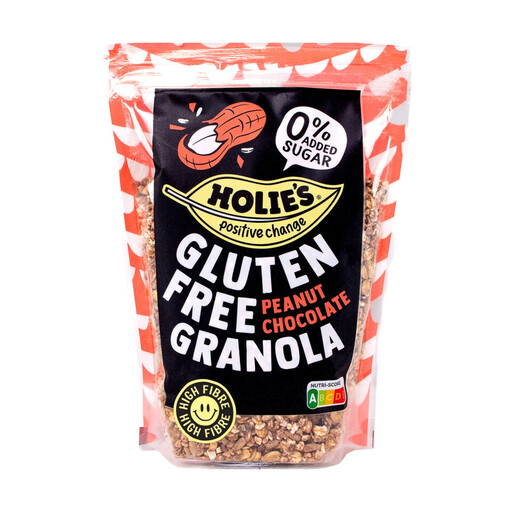
These two Holie's granola pack sizes include the word Glutenfree in the product name. If your toddler follows a strict gluten-free diet, check the current packaging, including the ingredients and allergens, before choosing a variety.
 No image available
Holie's Granola Glutenfree Peanut Chocolate, 330 g
A single pack of granola to consider if you’re thinking of serving this flavour for your toddler’s breakfast.
This product contains peanuts. Check the packaging for other allergen information and any cross-contamination warnings.
Consider whether the crunchy texture is suitable for your toddler’s eating skills.
View at Joybuy
 No image available
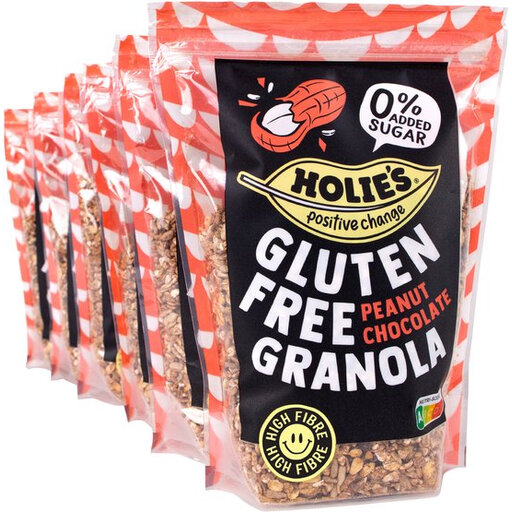
Holie's Granola Glutenfree Peanut Chocolate, 6 x 330 g
A pack of 6 x 330 g for anyone who wants to serve the same granola more often for their toddler’s breakfast.
This product contains peanuts. Check the packaging for other allergen information and any cross-contamination warnings.
With this pack too, consider whether the crunchy texture is suitable for your toddler’s eating skills.
View at Joybuy
Frequently asked questions
Does a toddler with no dietary requirements need to eat gluten-free breakfast cereals?
No, gluten-free doesn’t have to be a selection criterion. The Netherlands Nutrition Centre lists wholegrain porridge oats, muesli and other wholegrain breakfast cereals with no added sugar or salt as possible alternatives to bread for children aged 1 to 3.
Are ordinary porridge oats suitable for a strict gluten-free diet?
Not unless the product is labelled gluten-free. Quaker Netherlands highlights the risk of oats being cross-contaminated with wheat, rye or barley, so check the current packaging rather than relying on the type of grain alone.
What should I look for if breakfast cereals are replacing bread at breakfast?
For variety, choose wholegrain breakfast cereals with no added sugar or salt where possible, as recommended by the Netherlands Nutrition Centre for toddlers. Consider breakfast and bread together as part of your child’s daily diet rather than assessing one bowl of cereal in isolation.
Can I send gluten-free breakfast cereals in with my child to nursery?
Check the arrangements for your child’s diet and how the nursery operates. Discuss which product you’re sending in and how ingredients, allergens and possible cross-contamination will be checked during storage and serving.


