
Holidaymakers with coeliac disease
For them, the cereal must be suitable for a strict gluten-free diet. The Netherlands Nutrition Centre advises checking the label carefully. In a shared holiday home, clean bowls, spoons and worktops matter too.


If you’re buying breakfast cereal for someone with coeliac disease, choose a product clearly labelled gluten-free and check the current label; maize as an ingredient isn’t enough on its own. Then compare the nutritional information, other allergens and pack size for your stay. Oats need particular care when it comes to gluten-free suitability, as does avoiding cross-contamination in a shared holiday kitchen.
For them, the cereal must be suitable for a strict gluten-free diet. The Netherlands Nutrition Centre advises checking the label carefully. In a shared holiday home, clean bowls, spoons and worktops matter too.
If you’re shopping for a short stay, you can choose a pack size to suit the number of breakfasts you need. Check the pack itself when you buy it, even if you compared products online beforehand.
When several people are eating together, taste and ingredients matter alongside the gluten-free label. Read the full allergen information and compare sugars, salt and fibre per 100 g rather than assuming all gluten-free products are alike.
If someone with coeliac disease will be eating, start by checking that the cereal is suitable for them. Then decide which pack size and ingredients best suit your stay and your group.
| What to consider | What to check when buying | Who is this most important for? |
|---|---|---|
| Gluten-free suitability | Look for a clear gluten-free label or recognised certification, and check the ingredients and allergen information on the pack. Avoid contact with crumbs and used kitchen utensils. | When I buy cereal for someone with coeliac disease, I want to handle it carefully even in a shared kitchen; this reassurance comes first for an estimated 42% of consumers. |
| Pack size and use | Choose a pack size to suit the number of breakfasts, check availability when you buy, and seal the pack securely after use. | For a short stay, I don’t want to bring more cereal than we’ll use; around 25% of consumers give this practical convenience top priority. |
| Nutritional information | Compare sugars, salt and fibre per 100 g, and read the ingredients list. Don’t treat a label such as ‘unsweetened’ as a substitute for ‘gluten-free’. | When choosing between suitable products, I want to know how their ingredients differ; this matters most to an estimated 17% of consumers. |
| Taste and other allergens | Choose a variety your group will enjoy, and check the selected pack for warnings about allergens such as nuts, soya or sesame. | When the whole family is having breakfast, I want to take everyone’s preferences and any other allergies into account; this is the first consideration for around 16% of consumers. |
Maize as the main ingredient doesn’t tell you everything about the rest of the product. Jumbo lists barley malt extract in its regular cornflakes, while Smaakt Bio Cornflakes Unsweetened carries a warning about cereals containing gluten.
If you have coeliac disease, look for a clear gluten-free label first, then consider the other product features.
According to the Netherlands Nutrition Centre, oats can come into contact with gluten during processing. A regular pack of oats is therefore not automatically suitable for someone with coeliac disease.
Check for a gluten-free label on oat products and look for the official Crossed Grain symbol.
A gluten-free label doesn’t tell you how much sugar, salt or fibre a product contains. Other allergens may also matter to someone at the table.
Compare the nutritional information per 100 g and read the full allergen information on the pack you buy.
Albert Heijn says that ingredients, nutritional values and allergen information can change. The pack you receive or find in store may therefore need to be checked again.
Check the physical label before use, especially if you’re shopping for someone with coeliac disease or another allergy.
Albert Heijn’s gluten-free range includes several types of breakfast cereal, including cornflakes. Compare each variety individually: a feature of one product doesn’t automatically apply to another.
Jumbo’s gluten-free range includes cornflakes, making them a relevant breakfast option.
A brand with a cornflakes variety worth considering as an alternative to supermarket own-label products.
This product selection is for anyone looking for a breakfast option labelled gluten-free for their holiday home. Granola isn’t cornflakes: if you have coeliac disease, check the label on the pack you receive. For a shared breakfast, remember to check for other allergens too.
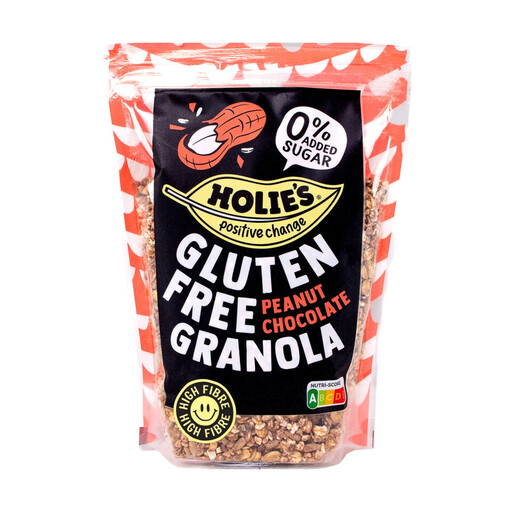 No image available
A granola option for anyone looking for cereal labelled gluten-free for their holiday home.
The pack contains 330 g. Note the peanut reference in the product name, and check the physical label for gluten-free suitability and all allergen information.
No. Maize as an ingredient doesn’t automatically make cornflakes gluten-free. For example, Jumbo lists barley malt extract in its regular cornflakes. If you’re buying for someone with coeliac disease, choose a product with a clear gluten-free label and check the current packaging.
Not without checking the pack. The Netherlands Nutrition Centre points out that oats can come into contact with gluten during processing and identifies the official Crossed Grain symbol as a way to recognise suitable oat products.
In the Netherlands, the term ‘gluten-free’ is subject to the European limit of no more than 20 mg of gluten per kg of finished product, under Regulation (EU) No 828/2014. When buying, check that the chosen pack is actually labelled gluten-free; the name ‘maize flakes’ alone isn’t enough.
Store gluten-free cereal separately and use clean bowls, spoons and worktops. The Netherlands Nutrition Centre stresses that even small amounts of gluten matter to someone with coeliac disease, so take care around crumbs and shared packaging.
Yes. Check the pack you receive before using the cereal. Albert Heijn says ingredients, nutritional values and allergen information can change, so the current information on the pack is important if you follow a strict gluten-free diet.