Regular rye bread isn’t suitable for a strict gluten-free diet for coeliac disease: according to the Netherlands Nutrition Centre, rye contains gluten. For your first shop, look for bread that is explicitly labelled gluten-free and check the current packaging. If you want something for the same breakfast or lunch occasion, compare gluten-free dark and seeded breads by their ingredients, allergens and nutritional information, without assuming they’re the same as rye bread.
Who is this alternative for?
Anyone shopping for the first time with coeliac disease
You’re looking for bread suitable for a strict gluten-free diet. Dark bread or bread without wheat isn’t automatically suitable: the Netherlands Nutrition Centre also lists rye and barley as gluten-containing grains. Check for a gluten-free label, read the ingredients and take care to prevent contact with gluten-containing bread at home.
Anyone who wants to keep the same mealtime routine as with rye bread
You want a dark, firm or seeded loaf for breakfast or lunch, but need to avoid gluten. Gluten-free brown or seeded bread may work for that occasion; compare the ingredients and fibre per 100 g, without expecting the same taste or nutritional value.
Anyone planning their first week of shopping
You want to know in advance where to look for bread and what to check on the packaging. Supermarket ranges online can give you a starting point, but check the product you choose and its availability at the shop where you’re buying it.
What should you look for on your first shop?
If you have coeliac disease, first check for a gluten-free label and read the packaging. Then compare which bread suits your mealtime and shopping plans.
| What to consider |
What to check when buying |
Who it matters to |
| Avoiding gluten |
Look for an explicit gluten-free label and read the ingredients and allergen information. Keep the bread separate from gluten-containing bread at home. |
If I have coeliac disease, I don’t want to judge by the dark colour, and I want to prevent my bread coming into contact with gluten at home. For around 50% of consumers, this safety check comes first. |
| Bread for the same mealtime |
Compare dark, brown and seeded varieties by their ingredients and fibre per 100 g; the name of the bread doesn’t mean it will taste the same or have the same nutritional value as rye bread. |
For breakfast or lunch, I’m looking for something that goes well with savoury toppings and suits my preference for dark or seeded bread. Around 30% of consumers prioritise this preference, after the essential gluten check. |
| A practical shopping list |
Check the exact product at your shop and compare pack size, storage instructions and current nutritional information. |
For my first shop, I want to be able to plan for bread without relying on an online range that may change. Around 20% of consumers prioritise this practical availability, alongside the necessary gluten check. |
Common mistakes when buying gluten-free bread
-
Assuming dark or seeded bread is gluten-free
The colour and seeds don’t tell you whether a bread contains gluten. According to the Netherlands Nutrition Centre, rye contains gluten; wheat and barley are also gluten-containing grains.
Choose a type of bread to suit your taste, but if you have coeliac disease, check separately for a gluten-free label and read the current packaging.
-
Overlooking other allergens
Gluten-free doesn’t mean free from all allergens. Jumbo says its Lekker Vrij van Gluten Wit contains soya and may contain egg, milk and nuts.
If other allergens are relevant to you, read the allergen information on the exact loaf you’re buying.
-
Assuming the online range matches in-store stock
A product listed on a supermarket website may not be available at the shop where you do your shopping. Packaging information can also change.
Check your chosen product shortly before buying it, and add a second suitable bread to your shopping list.
Otherwise, you may need to make an extra trip to the shop.
-
Comparing only the type of bread
If you replace regular bread for a long time, its role in your diet may change too. The Netherlands Nutrition Centre points out that bread is an important source of iodine in the Netherlands.
Compare the nutritional information, including fibre per 100 g, and don’t assume every gluten-free bread provides the same amount of iodine. If needed, discuss a long-term change to your diet with a specialist dietitian.
Brands to start your search
The online ranges from these supermarket chains can help you put together a shopping list; check the exact product and its availability at the shop where you’re buying it.
Albert Heijn
Albert Heijn has an online gluten-free category featuring its own bread and products from other brands.
- The category includes light and dark gluten-free seeded bread.
- Albert Heijn advises customers to read the packaging as product information can change; also check availability at your shop.
Jumbo
Jumbo has an online gluten-free category and its own Lekker Vrij van Gluten bread range.
- The online range includes white, brown and seeded varieties.
- Jumbo says its white variety contains soya and may contain egg, milk and nuts. Read the label of the variety you choose.
PLUS
PLUS lists its own gluten-free white, brown and seeded breads online.
- The different types of bread give you options to compare for breakfast and lunch.
- PLUS says that ingredients, nutritional values and allergen information can change. Check the current packaging.
Dirk
Dirk’s online search results show gluten-free bread from Schär.
- The search results include Meisterbackers classic and vital.
- Before visiting a shop, check whether your chosen variety is available there.
ALDI
ALDI mentions gluten-free bread in its online information about bakery products.
- This gives you a starting point for looking for a gluten-free bread option.
- Check which product is available in store and read its packaging.
Lidl
Lidl provides information about a range for special dietary needs and additional gluten-free products available for a limited time.
- The range information gives you a starting point for your search.
- Lidl says on its gluten-free range page that the additional products aren’t available. Check current store information before counting on a specific loaf.
Joybuy products for bread and home baking
These products offer two different ways to choose bread for breakfast or lunch: mini baguettes and a bread mix to prepare at home. If you have coeliac disease, check the gluten-free label and allergens on the current packaging for both products; neither is presented here as the same as rye bread.
 Image unavailable
Gv Baguette Mini, 7 pieces
An option if you’re looking for small rolls for breakfast or lunch. Check the current packaging to see whether these are ready-to-bake rolls or a mix you need to shape yourself, and read the gluten-free label and allergen information before choosing this product if you have coeliac disease.
View at Joybuy
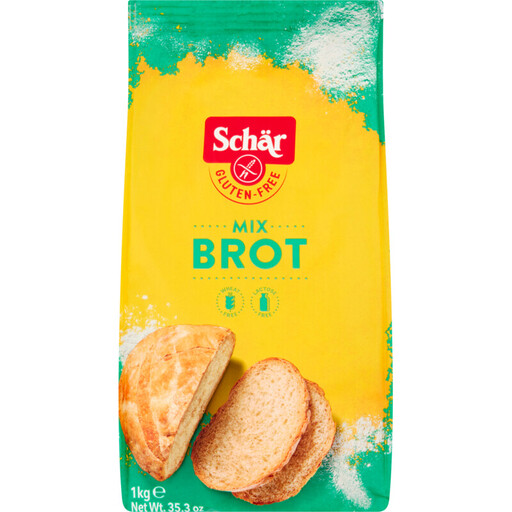 Image unavailable
Schär Bread Mix-Mix B Gluten Free, 1 kg
A bread mix for anyone who wants to make bread at home, rather than a ready-to-eat option for your first lunch. Check the preparation instructions, gluten-free label and current allergen information on the packaging.
View at Joybuy
Frequently asked questions
Is rye bread gluten-free?
No, regular rye bread isn’t suitable for a strict gluten-free diet if you have coeliac disease. According to the Netherlands Nutrition Centre, rye is a gluten-containing grain; its dark colour or traditional method of preparation doesn’t change that.
How can I identify bread I could consider if I have coeliac disease?
Start by looking for an explicit gluten-free label, then read the ingredients and allergen information on the current packaging. Under European rules for the ‘gluten-free’ label, food as sold to the final consumer may contain no more than 20 mg of gluten per kg. Also take care to prevent contact with gluten-containing bread at home.
Is gluten-free bread also free from other allergens?
No, the gluten-free label says nothing about other allergens. For example, Jumbo says its Lekker Vrij van Gluten Wit contains soya and may contain egg, milk and nuts, so check the label on the exact product.
What should I look for if I replace regular bread for a long time?
Look beyond the gluten-free label and compare the nutritional information of the replacement bread too. The Netherlands Nutrition Centre identifies regular bread as an important source of iodine in the Netherlands; don’t assume every gluten-free product provides the same amount. If needed, discuss a long-term change to your diet with a specialist dietitian.


