For breakfast for a toddler with diagnosed coeliac disease, choose bread that is explicitly labelled gluten-free and prevent crumbs from ordinary bread getting into the mix at home. Then compare the fibre, salt and ingredients on each pack, including whether iodised baker’s salt is listed. Smaller rolls or a bread mix can be practical, but only if the specific product and preparation method suit your mornings.
Who is this choice relevant to?
Parents of a toddler with coeliac disease
With diagnosed coeliac disease, choosing bread is about more than the label: crumbs and shared kitchen utensils at home matter too. The Netherlands Nutrition Centre highlights the importance of a strict gluten-free diet and preventing cross-contamination.
Parents who serve bread regularly
If gluten-free bread is often on the table, its fibre content and place in your toddler’s overall diet are worth considering. The Netherlands Nutrition Centre says bread made with iodised baker’s salt is an important source of iodine in the Netherlands, but bakers are not required to use it.
Parents who shop at the same supermarket
If you’re looking for a regular breakfast option, you can browse online ranges to find products. Check the pack and availability at your local branch or in your delivery area again when you buy.
What should you look for when choosing?
With coeliac disease, look for the gluten-free label first. Then check the nutritional information and whether the size and format of the bread will work on an ordinary morning.
| What to consider | What to check when buying | Who is this important for? |
|---|
| Gluten-free and protected from cross-contamination |
Look for an explicit gluten-free label and check the current ingredients information; use clean, separate utensils at home. |
If my toddler has coeliac disease, I don’t want crumbs from ordinary bread getting into their breakfast. For around 50% of consumers, gluten-free safety is their main concern when buying. |
| Fibre and iodine |
Compare fibre and salt per 100 g or per portion, and check whether iodised baker’s salt is listed in the ingredients. |
When bread is often on the table, I want to know what role it plays in my toddler’s overall diet. For around 30% of consumers, this nutritional consideration is the main priority. |
| Availability and size |
Check local availability, pack size and the preparation method for the specific product. |
On busy mornings, I’m looking for a suitable bread size that I can buy again. Around 20% of consumers give this practical consideration top priority. |
Common mistakes
-
Assuming gluten-free means it meets all your nutritional needs
The gluten-free label doesn’t tell you how much fibre or salt a loaf contains, or whether iodised baker’s salt has been used. The Netherlands Nutrition Centre says there is no requirement to use this salt in bread.
Compare the nutritional information on specific packs. If you use the product regularly, consider your overall diet, not just the product name.
-
Overlooking crumbs from ordinary bread
The Netherlands Nutrition Centre says that even small amounts of gluten transferred through cross-contamination can matter to someone with coeliac disease.
Clean the board and knife, and stop crumbs from shared spreads getting onto the gluten-free bread.
-
Assuming an online range is always in stock
A shop’s website can show you what to look for, but not whether the product you want will be available when you shop. Product information can also change.
Check availability with your shop and read the pack label every time you buy.
Brands and shops to explore
Albert Heijn
Albert Heijn’s online category features gluten-free bread products from its own label and other brands.
- Gluten-free white rolls and seeded bread are among the options shown.
- Check the ingredients, nutritional information and allergens on the pack of the product you choose.
Jumbo
Jumbo has an online category featuring various types of gluten-free bread and rolls.
- The category gives you a starting point for comparing different types of bread.
- The product type alone doesn’t tell you its fibre content; check the specific pack and local availability.
PLUS
PLUS lists gluten-free own-label loaves online, including brown and multiseed bread.
- If you’re looking for seeded bread, you can also check the product information for the Consenza product shown.
- A label on one product doesn’t apply to the entire range; read the label on the product you buy.
Dirk
Dirk’s search results show specific gluten-free products from Schär.
- The product names can help you search for loaves or smaller rolls.
- Check whether the product you want is available locally and read the current pack information.
ALDI
ALDI mentions gluten-free options on its bakery page.
- This gives you a starting point for looking for gluten-free rolls locally.
- For a specific product, ask about its gluten-free label, ingredients and how cross-contamination is prevented.
Lidl
Lidl has a page for its gluten-free range.
- The page stated that additional gluten-free products were not available at the time. Check what’s available locally before relying on a particular breakfast option.
Gluten-free bread and bread mix on Joybuy
These two products offer different ways to prepare a gluten-free breakfast for a toddler: one is described as mini baguettes, while the other is a bread mix for making your own loaf. Check the current pack information for both; for the mini baguettes in particular, pay close attention to the product format.
 Image unavailable
Gv Baguette Mini, 7 pieces
If you’re considering smaller rolls for breakfast, the product name says it contains seven mini baguettes.
Check the pack to see whether this product contains rolls or a mix that still needs to be prepared, what preparation method to follow, and what the current gluten-free and allergen information says.
View on Joybuy
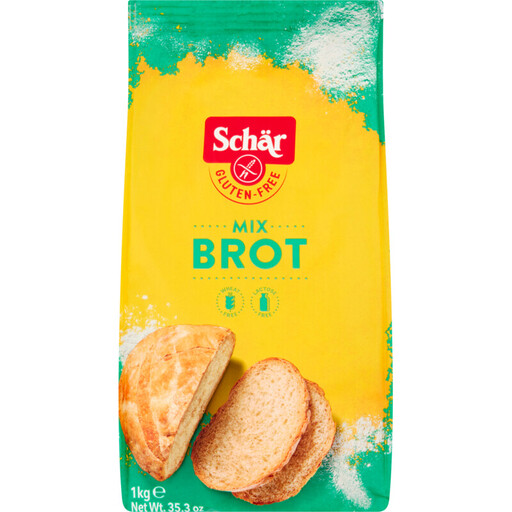 Image unavailable
Schär Bread Mix-Mix B gluten-free bread mix, 1 kg
If you want to make your own gluten-free bread, this is a 1 kg bread mix, not a ready-to-eat breakfast loaf.
Before use, read the current ingredients and allergen information. If iodine is relevant to your comparison, check whether iodised baker’s salt is listed. Prepare gluten-free bread separately from ordinary bread.
View on Joybuy
Frequently asked questions
Does a toddler without diagnosed coeliac disease need to eat gluten-free bread?
No, gluten-free bread isn’t automatically necessary. The Netherlands Nutrition Centre advises against eating gluten-free without a good reason. If you have concerns about a possible food-related complaint, it’s important to find out what’s causing it first.
What does the ‘gluten-free’ label on bread mean?
Under European Commission Implementing Regulation (EU) No 828/2014, a product with this label may contain no more than 20 mg of gluten per kg. For a child with coeliac disease, it’s also important to prevent cross-contamination when preparing breakfast.
Why is iodised baker’s salt worth checking?
According to the Netherlands Nutrition Centre, bread made with iodised baker’s salt is an important source of iodine in the Netherlands, but its use is not compulsory. If most ordinary bread is replaced with gluten-free bread, check whether the ingredients list for the product you choose mentions iodised baker’s salt.
Can a loose roll from a bakery be suitable for a toddler with coeliac disease?
Only if it’s clear that the specific roll is gluten-free and you can also find out how cross-contamination is prevented. The Netherlands Food and Consumer Product Safety Authority says allergen information must be available for unpackaged products; ask the baker about how the roll is prepared too.


