If someone with coeliac disease is joining you for breakfast, don’t choose bread based on its name or crust. Look for bread labelled ‘gluten-free’ or carrying the Crossed Grain symbol. Packaged bread, gluten-free rolls or bake-at-home bread can take the place of tiger bread at the table. Check the preparation instructions for each product, and keep the gluten-free bread free from ordinary breadcrumbs when serving.
Who is this choice important for?
A family serving a strictly gluten-free breakfast
You’re sharing Sunday breakfast with someone with coeliac disease. As well as choosing bread clearly labelled gluten-free, you’ll need separate, clean utensils and spreads that haven’t come into contact with ordinary breadcrumbs.
A fan of warm breakfast bread
You want something to take the place of fresh, crusty tiger bread at the table, but you’re happy with a different type of bread. A gluten-free roll or bake-at-home roll could work, provided the product is clearly labelled and can be prepared according to the instructions on the packaging.
A shopper comparing nutritional information
You also want to check the nutritional information for gluten-free bread, such as its fibre and salt content. The Netherlands Nutrition Centre points out that bakers’ salt contains iodine, but bakers aren’t required to use it.
What should you look for when choosing?
First, decide which bread is suitable for the person with coeliac disease. Then choose a type of bread that works for breakfast and, if it matters to you, compare the nutritional information for each product.
Ordinary tiger bread
When: Only for guests who don’t need to eat strictly gluten-free, after checking the ingredients and allergen information.
Consider: The distinctive tiger crust tells you nothing about whether the bread is gluten-free. Keep it separate from breakfast for anyone with coeliac disease.
Packaged gluten-free bread
When: If you want to check the packaging before breakfast and have bread or rolls to share.
Consider: Gluten-free bread or a gluten-free roll doesn’t have to look like tiger bread. Check the type of bread and preparation instructions for each product.
Fresh or bake-at-home gluten-free bread
When: If warm or fresh bread is important for Sunday breakfast and you can check that the product you choose is labelled gluten-free.
Consider: Bake-at-home bread needs preparation and a work surface free from ordinary breadcrumbs. And fresh bread isn’t necessarily topped with a tiger crust.
| What to consider |
What to check when buying |
Who is this most important for? |
| Gluten-free labelling and crumbs |
Look for ‘gluten-free’ or the Crossed Grain symbol on the packaging. Read the allergen information and plan to slice and serve the bread separately. |
If someone with coeliac disease is joining us, I want to choose suitable bread and prevent contact with ordinary breadcrumbs. This is the top priority for around 50% of consumers. |
| Type of bread and preparation |
Choose between a loaf, rolls and bake-at-home rolls; check the heating instructions for bake-at-home products. |
For Sunday breakfast, I’d like to serve warm bread, even if it doesn’t have a tiger crust. Around 30% of consumers care most about this breakfast experience. |
| Fibre and bakers’ salt |
Compare the fibre per 100 g in the nutritional information and check the label to see whether bakers’ salt has been used. |
When bread is a regular part of my diet, I want to know how the fibre content varies between products and whether they contain bakers’ salt. This information matters most to around 20% of consumers. |
Common mistakes
-
Mistaking a tiger crust for a gluten-free label
‘Tiger bread’ describes a style of bread, not whether it’s suitable for someone with coeliac disease. A product name or appearance is no substitute for checking the label on the specific loaf.
For the gluten-free part of breakfast, choose bread labelled ‘gluten-free’ or carrying the Crossed Grain symbol, and serve ordinary tiger bread separately.
-
Buying gluten-free bread but letting ordinary breadcrumbs get mixed in
Crumbs transferred by a knife, chopping board, toaster or spread can still make the gluten-free part of breakfast unsuitable.
Use clean, separate utensils and spreads for the gluten-free bread, or prepare and serve it before slicing ordinary bread.
-
Assuming all gluten-free bread has the same nutritional value
The ingredients vary from one loaf to another. According to the Netherlands Nutrition Centre, bakers’ salt contains iodine, but bakers aren’t required to use it.
Compare the fibre in the nutritional information and check the label to see whether bakers’ salt is listed among the ingredients.
-
Planning breakfast around a changing range
A gluten-free category or a product you’ve seen before doesn’t tell you which bread will be available at your shop when you go shopping.
Check the current range before Sunday breakfast and read the packaging of the product you actually choose.
Brands and shops to consider
A gluten-free bread category can help you find what you’re looking for, but always check the label and ingredients of each product. A tiger bread listing and a gluten-free category at the same shop don’t together amount to a gluten-free product claim.
Albert Heijn
Its online gluten-free bread category includes own-brand loaves and white rolls.
- You can compare different types of packaged bread.
- Check the packaging if you’re specifically looking for a tiger-style loaf.
Jumbo
Jumbo has a ‘gluten-free’ category and also lists farmhouse tiger loaves.
- The category is a good starting point for finding gluten-free bread options.
- Don’t assume a tiger bread listing is gluten-free without checking the individual product label.
PLUS
Its online gluten-free category includes brown bread, multiseed bread, white bread and PLUS rolls.
- There are different types of bread to compare for breakfast.
- A gluten-free roll is a different type of bread from tiger bread; check the label for each product.
Dirk
Dirk lists gluten-free Schär bread products and, separately, ordinary tiger rolls.
- The gluten-free search results include a variety of rolls and ciabatta.
- Don’t combine the tiger roll listing with the gluten-free search results and treat them as one product.
Consenza
Consenza describes a range that includes fresh gluten-free bread and bake-at-home bread.
- According to Consenza, its fresh bread is made in a completely gluten-free bakery certified by the Dutch Coeliac Association.
- This description doesn’t mean that every type of bread has a tiger crust. Check the label and preparation instructions for the product you choose.
Lidl
Lidl has a page for gluten-free products.
- It can be a useful starting point for checking the current range.
- Only plan breakfast around a particular loaf once you’ve checked its availability and label.
Aldi
Aldi lists farmhouse brown tiger bread with a tiger crust.
- The product shows you the style of bread you may want to replace for Sunday breakfast.
- The name ‘tiger bread’ isn’t proof that it’s labelled gluten-free for someone with coeliac disease.
A bread mix for homemade breakfast bread
If you’d like to make your own gluten-free bread for Sunday breakfast, a bread mix is an alternative to ready-made bread or bake-at-home rolls. Allow time for preparation and check the instructions on the packaging before planning breakfast.
 No image available
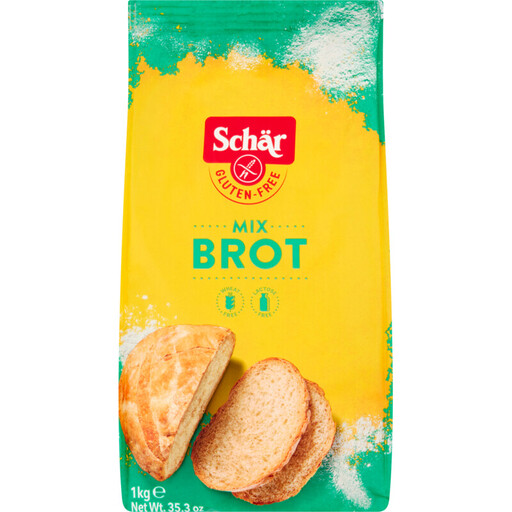
Schär Bread Mix-Mix B gluten-free bread mix, 1 kg
For anyone who wants to make their own bread for Sunday breakfast. This is a 1 kg gluten-free bread mix, not ready-made bread or tiger bread.
Before buying, check the preparation instructions, ingredients and allergen information on the packaging. Use clean utensils when preparing it if you’re also serving ordinary bread.
View at Joybuy
Frequently asked questions
Can someone with coeliac disease eat tiger bread if it doesn’t seem to contain wheat?
If you have coeliac disease, don’t rely on how the bread looks or a quick glance at the ingredients. Choose bread labelled ‘gluten-free’ or carrying the Crossed Grain symbol, and prevent contact with crumbs from ordinary bread.
Can I ask about gluten in individual rolls?
Yes. The Netherlands Food and Consumer Product Safety Authority says customers must also be given information about the major allergens in non-prepacked food, including cereals containing gluten. If you have coeliac disease, also ask specifically whether the roll is gluten-free; information about the ingredients alone isn’t the same thing.
Is bread in the Netherlands always made with iodine-containing bakers’ salt?
No. According to the Netherlands Nutrition Centre, bakers’ salt contains iodine, but bakers aren’t required to use it. Check the label to see whether bakers’ salt is listed, or ask your baker.
How can I heat gluten-free breakfast bread without it coming into contact with ordinary breadcrumbs?
Follow the heating instructions for the product you’ve chosen and use a clean baking tray or other clean utensils. Keep the bread separate from ordinary bread and shared spreads containing crumbs while preparing, slicing and serving it.


