Is the snack for someone with coeliac disease? Start by choosing bread or rolls labelled ‘gluten-free’, and avoid contact with crumbs from ordinary bread. Then compare the fibre per 100 g if you’re looking for an alternative to wholemeal bread that you serve regularly. Individual rolls and mini baguettes are handy for separate holiday portions, but bake-at-home products need some preparation.
Who are these bread snacks for?
When choosing snacks for someone with coeliac disease, the gluten-free label is the first thing to check. The format you want and the nutritional information can then help you choose between products.
Families sharing snacks with someone with coeliac disease
A gluten-free roll must be kept separate from crumbs from ordinary bread, including when it’s being filled and served. The Dutch Coeliac Society therefore advises taking care to avoid cross-contamination.
People who want to compare fibre content
If gluten-free bread regularly takes the place of wholemeal bread, fibre per 100 g and the ingredients are more useful points of comparison than simply looking for words such as ‘dark’ or ‘multiseed’.
Families looking for individual holiday portions
Rolls and mini baguettes can be portioned out for each person, whether you’re at home or out for the day. For bake-at-home products, check the preparation instructions too, and keep them separate from ordinary bread while preparing them.
What should you look for when choosing?
If you have coeliac disease, always check the gluten-free label first and prepare your snack without contact with gluten-containing crumbs. Then choose between slices to add toppings to, individual portions or a product you still need to bake. Nutritional value and convenience can vary from one product to another.
| What to consider |
What to check |
Who it matters to |
| Choosing and preparing gluten-free food |
Look for the ‘gluten-free’ label on the packaging and use clean utensils with no crumbs from ordinary bread. |
If someone with coeliac disease is eating with me, I want to keep their snack safely separate while adding toppings too. This check is the top priority for around 50% of consumers. |
| Fibre and ingredients |
Compare fibre per 100 g and read the ingredients and allergen information for the bread you choose. |
If I serve gluten-free bread instead of wholemeal bread more often, I want to know the nutritional value of the specific product. Around 30% of consumers give this comparison the highest priority. |
| Portions and preparation |
Check how many rolls are in the pack, the storage instructions and whether baking is required. |
For a day out or a snack with several people, I want to be able to divide up the portions easily. Convenience comes first for around 20% of consumers. |
Common mistakes when choosing and preparing
-
Assuming dark or multiseed bread is gluten-free
The colour and seeds don’t tell you whether bread is suitable for someone with coeliac disease. Wheat, rye and barley contain gluten, and dark bread can contain these ingredients too.
Check the ‘gluten-free’ label on the packaging first. Only then compare the ingredients and nutritional information of gluten-free options.
-
Preparing a gluten-free snack next to ordinary bread
The Dutch Coeliac Society warns that crumbs and contact with knives, chopping boards or toasters can lead to cross-contamination.
Use clean hands, a clean work surface and clean utensils. Also check shared spreads and appliances that may contain crumbs from ordinary bread.
-
Assuming ‘gluten-free’ means ‘wholemeal’
Gluten-free multiseed bread isn’t automatically wholemeal, and the product name doesn’t determine its fibre content. This distinction matters most when the bread regularly replaces wholemeal bread.
Compare the fibre per 100 g and read the ingredients list for the products you’re choosing between.
-
Expecting every shop to stock the same products
A product listed online may not be available every time you visit a shop. Product information can also change.
Check the latest shop information before setting off, and read the packaging of the product you choose when you buy it.
Brands and shop ranges to explore
These ranges show different types of bread, from slices for adding toppings to individual rolls. If you’re choosing a snack for someone with coeliac disease, always check the label on the specific product.
Albert Heijn
Albert Heijn’s gluten-free range includes dark multiseed bread, multiseed rolls and party bread.
- The different formats let you choose between slices for adding toppings and individual snack portions.
- Check the packaging for the variant you choose and check current availability.
Jumbo
Jumbo’s gluten-free bread range includes light and dark multiseed bread, sourdough and ciabatta.
- The different types of bread let you choose between slices for adding toppings and individual rolls.
- Check the gluten-free label, ingredients and in-store availability for each product.
PLUS
PLUS stocks gluten-free multiseed bread and gluten-free bread rolls, alongside bread products from other brands.
- The nutritional information for individual products can help you compare fibre per 100 g.
- Ingredients, nutritional values and allergen information can change, so read the packaging of the product you buy.
Dirk
Dirk’s online search results include gluten-free bread products from Schär, such as Meisterbäckers Classic, Meisterbäckers Vital and mini baguettes.
- As well as sliced bread, you can find smaller formats for individual portions.
- Check whether the specific product is available and read the label before use.
ALDI
ALDI lists gluten-free bread and rolls in its bread and snack range.
- A roll that needs baking may be a good choice if you want to prepare your snack just before eating.
- Check the gluten-free label, preparation instructions and nutritional information for the individual product.
Joybuy products for bread snacks
These options suit two different ways of planning ahead: mini baguettes that you bake for individual portions, and a gluten-free bread mix for making your own bread for later snack times. The mix isn’t a ready-to-serve snack.
 Image unavailable
Gv Baguette Mini, 7 pieces
The small size is ideal for individual snack portions. Bake the mini baguettes according to the packaging instructions. If you have coeliac disease, use a clean work surface and clean utensils; also check the latest gluten-free label and allergen information.
View on Joybuy
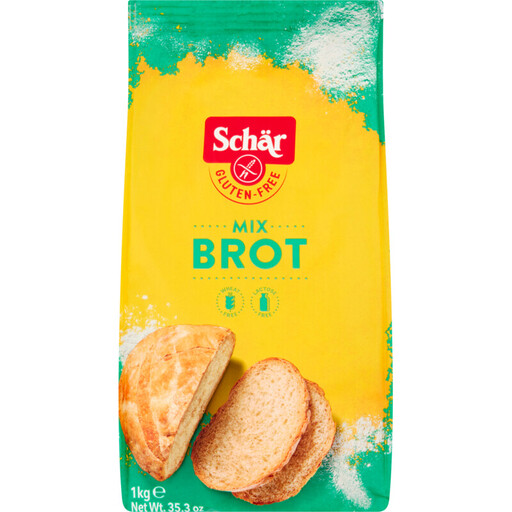 Image unavailable
Schär Bread Mix-Mix B Gluten Free, 1 kg
This bread mix is handy for snack times when you want to bake your own bread in advance; it isn’t a ready-made roll. Follow the preparation instructions, avoid contact with gluten-containing crumbs, and check the latest packaging for the gluten-free label and allergen information.
View on Joybuy
Frequently asked questions
Is ordinary wholemeal or dark bread suitable for someone with coeliac disease?
Not based on its name or colour: ordinary bread made with wheat or rye contains gluten. Choose a product labelled ‘gluten-free’ for someone with coeliac disease, and check the packaging when you buy it.
What does the ‘gluten-free’ label on a bread product mean?
According to the Dutch Coeliac Society, a product can be called gluten-free if it contains less than 20 mg of gluten per kg of product. The label doesn’t tell you anything about the fibre content or how to prepare the snack at home.
Can gluten-free bread go in the same toaster as ordinary bread?
If you have coeliac disease, don’t use a toaster where gluten-free bread could come into contact with crumbs from ordinary bread. The Dutch Coeliac Society highlights the risk of cross-contamination. Use clean utensils and prepare the bread separately.
Is gluten-free multiseed bread automatically wholemeal?
No. ‘Multiseed’ doesn’t automatically tell you whether bread is wholemeal or how much fibre it contains. Compare the ingredients and fibre per 100 g of the gluten-free products you’re considering.
Does all gluten-free bread contain iodised salt?
Don’t assume it does. Check the ingredients list of the bread you choose to see whether iodised salt is listed; the gluten-free label doesn’t tell you either way.


