What should you look for when choosing?
If you have coeliac disease, first check that the specific product is labelled gluten-free and that you can prepare and carry it separately. Then choose between a larger loaf to portion at home, smaller rolls for eating on the go, or a mix you can bake with before you leave.
| What to consider |
What to check when buying |
Who is this important for? |
| Gluten-free labelling and keeping it separate |
Look for ‘gluten-free’ on the packaging or the official Crossed Grain symbol. Use clean utensils to prepare it and keep the portion separate from ordinary bread. |
If even a crumb of ordinary bread could be a problem, I want to keep my portion clearly separate. Around 50% of consumers put this reassurance first when making their choice. |
| A portion for eating on the go |
Check whether you can portion and wrap the bread in advance. If you’re buying bake-at-home rolls, check whether you need to prepare them before setting off. |
At the procession, I want to eat without having to slice or fill bread there and then. For around 30% of consumers, convenience when eating is the deciding factor. |
| Type of bread and choice of shop |
Compare the specific loaf or rolls available at your shop, and check the current packaging before buying, even if you already know the product. |
I want to find a suitable type of bread at my usual supermarket, rather than relying on an online category alone. This choice of shop and product comes first for around 20% of consumers. |
Shops and brands to consider
The online bread ranges at these shops can help you plan. If you’re buying for someone with coeliac disease, choose a specific product only after checking its packaging and gluten-free labelling.
Albert Heijn
Albert Heijn lists a gluten-free bread category online, including own-brand products and Schär.
- You can compare half loaves, rolls and branded products by type before buying.
- Albert Heijn warns that ingredients, nutritional values and allergen information can change; check the packaging you buy.
Jumbo
Jumbo lists gluten-free bread online from brands including Lekker Vrij, Schär and YAM.
- The range includes different types of bread, including whole loaves, sourdough and ciabatta.
- Check which specific product is available and read the packaging before use.
PLUS
PLUS lists own-brand gluten-free white, brown and multiseed bread online, alongside branded products.
- Ordering or collecting your shopping in advance can help if you want to sort out the food before the procession.
- PLUS warns that product and allergen information can change; check the packaging.
Dirk
Dirk’s search results include gluten-free bread and Schär mini baguettes.
- You can check in advance whether a smaller type of bread would suit your plans.
- Check the range at the shop you’re buying from and read the label on your chosen product.
ALDI
ALDI lists gluten-free bread and regularly stocks gluten-free bake-at-home rolls.
- Bake-at-home rolls may suit you if you want to prepare them at home before setting off.
- Check which specific product is available in store and whether its packaging says ‘gluten-free’.
Lidl
Lidl describes a gluten-free range and publishes ingredient and allergen information for freshly baked bread.
- The published information gives you a starting point for checking a specific product in advance.
- Check that your chosen bread is specifically labelled gluten-free; freshly baked standard bread isn’t a substitute unless it carries that label.
Bread mix for baking your own bread before the procession
This bread mix is for anyone who wants to bake their own bread before the Sinterklaas arrival parade and can then wrap a portion separately. Allow time for preparation and use clean, separate utensils; this isn’t a ready-to-eat roll for the journey.
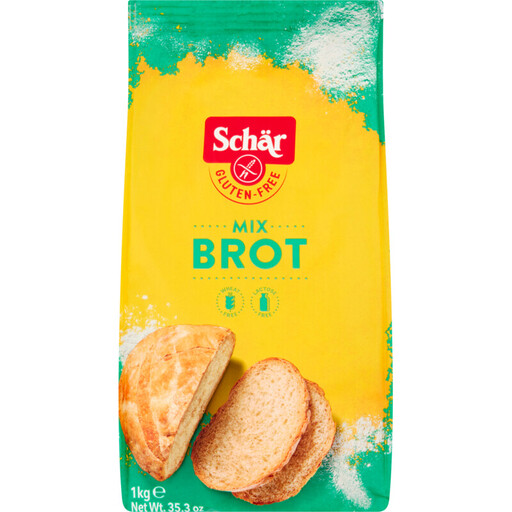 Image unavailable
Schär Bread Mix-Mix B gluten-free, 1 kg
For anyone who wants to bake bread at home before setting off and wrap a portion separately afterwards.
1 kg of gluten-free bread mix; this isn’t a ready-made loaf. Check the current packaging for ingredients and allergens, including soya, and read the preparation instructions before you start.
View at Joybuy
Frequently asked questions
When can bread be labelled ‘gluten-free’?
Under Commission Implementing Regulation (EU) No 828/2014, the ‘gluten-free’ statement may only be used if the food sold to consumers contains no more than 20 mg of gluten per kilogram. Check for this statement on the packaging of the specific loaf, not just in the shop’s online category.
Is bread without wheat suitable for someone with coeliac disease?
Not automatically: ‘wheat-free’ doesn’t mean the same as ‘gluten-free’. If you have coeliac disease, look for a gluten-free statement or the official Crossed Grain symbol on the bread packaging.
Can I take oat bread to the procession?
If you have coeliac disease, only choose a specific oat product that is labelled gluten-free or carries the official Crossed Grain symbol. The Dutch Nutrition Centre points out that oats can come into contact with gluten-containing grains during production or processing.
How can I keep a portion of bread separate while I’m out?
Prepare the gluten-free portion before you leave, using clean utensils, and wrap it separately from ordinary bread and gluten-containing snacks. If possible, keep the packaging sealed until you’re ready to eat, so the portion stays clearly separate in the crowds.
Does all gluten-free bread contain iodine?
You can’t tell from the ‘gluten-free bread’ category alone. The Netherlands Food and Consumer Product Safety Authority explains that iodine compounds may be present in bread through baker’s salt, but this doesn’t confirm the ingredients of a specific product. If you have a personal question about iodine, check the product information and, if needed, speak to a dietitian or doctor.


