For a child with coeliac disease, choose bread clearly labelled ‘gluten-free’ and agree with the nursery how it will be stored, prepared and served separately. Then compare the type of bread, other allergens, nutritional information and storage instructions for the exact product. Suitable packaging alone will not prevent contact with crumbs from ordinary bread.
Who is this choice important for?
Nursery planners for a child with coeliac disease
If you organise lunches regularly, you need both clearly identifiable gluten-free bread and clear arrangements. Parents and nursery staff need to know how the bread will be stored and prepared without coming into contact with crumbs from ordinary bread.
Parents packing a lunch
Before setting off, check the label on the exact bread and agree how the nursery will open the packaging, store the bread and serve the lunch.
Shoppers planning ahead
If gluten-free bread is part of your regular shop, it matters whether you can find the product you’ve chosen again. If you switch to a different bread, check its packaging and review the arrangements with the nursery too.
What should you look for when choosing?
For a nursery lunch when a child has coeliac disease, the ‘gluten-free’ label and a process that prevents cross-contamination come first. After that, you can compare the type of bread, nutritional information and practicalities of shopping.
| What to consider |
What to check when buying |
Who is this most important for? |
| Gluten-free and protected from cross-contamination |
Check that the packaging says ‘gluten-free’ and agree how the bread and fillings will be prepared using clean hands and clean utensils. |
When I prepare lunch for a child with coeliac disease, I want to prevent contact with crumbs from ordinary bread even after opening the packaging. For around 33% of consumers, checking for gluten comes first. |
| A practical nursery routine |
Read the storage instructions and ask who at the nursery is responsible for storing, preparing and serving the food. |
When different staff members look after lunch, I want everyone to be able to follow the same arrangements. For around 27% of consumers, practicality is the top priority. |
| Type of bread and product ingredients |
Compare the type of bread, ingredients, other allergens and nutritional information on the current packaging. |
I’m looking for a type of bread the child will eat that also fits any additional dietary requirements. For around 20% of consumers, this choice of product matters most. |
| Availability |
Check the exact product at your chosen shop and have any substitute checked in advance. |
For regular lunch days, I don’t want to have to find a different bread at the last minute. This is the main concern when shopping for around 20% of consumers. |
Common mistakes with nursery lunches
-
Checking only for the words ‘gluten-free’
Even suitable bread can come into contact with crumbs after opening, through hands, knives, chopping boards or shared spreads. The Dutch Coeliac Society therefore highlights the need to prevent cross-contamination.
Before the first lunch, agree who will open the bread, where it will be stored and which clean utensils will be used to prepare it.
-
Assuming gluten-free means free from all allergens
Other allergens need to be checked separately. For example, PLUS lists soya and possible traces of lupin, mustard and sesame for a gluten-free Schär multigrain loaf.
Check the allergen information for the bread the child will actually take with them, and make a note of any additional arrangements separately.
-
Assuming a shop’s range means a particular bread is always available for lunch
A category page shows bread options, but it doesn’t tell you which variety is available at your shop and fits your lunch plans. A substitute product may also have a different label.
Check the exact bread before the regular lunch day and agree in advance which substitute would be suitable.
-
Assuming every loaf contains iodised baker’s salt
The fact that baker’s salt with iodine may be used in bread doesn’t mean it is in every gluten-free loaf.
If this ingredient matters to your choice, read the ingredients list for the specific product.
Brands and shops to consider
Albert Heijn
Albert Heijn’s online category features gluten-free own-brand bread alongside bread from Schär and Consenza.
- The category includes different types of bread, including white rolls and sourdough.
- Check the product you choose and its current packaging; an online category doesn’t show what an individual shop has in stock.
PLUS
PLUS stocks, among other things, gluten-free white own-brand bread, gluten-free bread rolls and bread from Schär.
- The different types of bread give you options to consider when planning lunches.
- As well as checking that the product is gluten-free, check for other allergens in the exact product. For a Schär multigrain loaf, PLUS lists soya and possible traces of lupin, mustard and sesame.
Dirk
Dirk’s search results include Schär Meisterbackers Classic, Meisterbackers Vital and gluten-free mini baguettes.
- The product names are useful if you want to compare a particular type of bread.
- Check the packaging and availability of the exact bread at the shop where you do your shopping.
ALDI
ALDI mentions gluten-free bread in its information about bread and bake-at-home products.
- This is a shop to consider when looking for a specific bread option.
- Plan a nursery lunch around a specific product only after you’ve checked its packaging and ingredients.
Lidl
Lidl refers to its range of gluten-free products, but a general mention of the range doesn’t tell you which specific bread to choose.
- You can check a specific product’s gluten-free labelling and packaging.
- First check which bread is available before adding it to a regular lunch plan.
Consenza
Consenza describes a range of fresh gluten-free bread, including bread rolls and hearth loaves.
- According to Consenza, its fresh bread is made in a completely gluten-free bakery.
- For each type of bread, check the ingredients, other allergens, delivery method and storage instructions, and agree how it will be prepared with the nursery.
Joybuy product for homemade bread
This bread mix is an option if you can bake gluten-free bread at home before sending it to the nursery. Allow time for preparation when planning lunch, and agree separate storage and serving arrangements with the nursery.
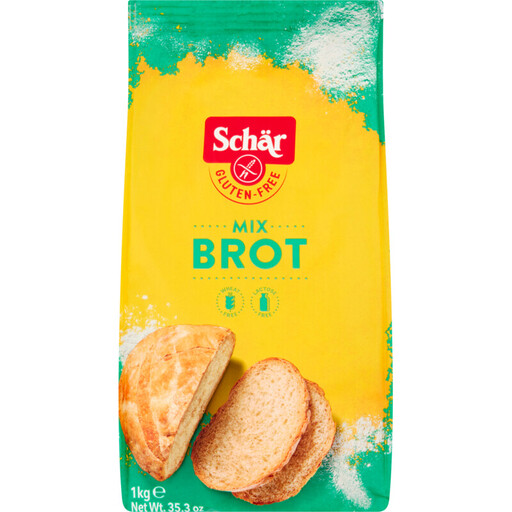 Image unavailable
Schär Bread Mix-Mix B Gluten Free, 1 kg
For anyone who wants to bake gluten-free bread before a nursery lunch; this is a mix, not ready-made bread.
1 kg pack. Before use, check the current label for other allergens and agree with the nursery how the baked bread will be stored and served.
View at Joybuy
Frequently asked questions
Is ‘gluten-free’ on the packaging enough for a nursery lunch when a child has coeliac disease?
No. The label helps you choose a product, but preparation must also prevent cross-contamination. Under Commission Implementing Regulation (EU) No 828/2014, a product may be labelled ‘gluten-free’ if it contains no more than 20 mg/kg of gluten as sold. You should also agree how the nursery will store and prepare the bread after opening.
Can the nursery use the same knife and chopping board as for ordinary bread?
Not unless there is a process in place to prevent contact with crumbs from ordinary bread. The Dutch Coeliac Society recommends using clean hands and clean utensils for gluten-free food. Before lunch, agree with the nursery who will use which utensils.
Is gluten-free bread also free from other allergens?
No. Check the label of the exact bread for other allergens separately. For example, PLUS lists soya and possible traces of lupin, mustard and sesame for a gluten-free Schär multigrain loaf.
Does gluten-free bread always contain iodised baker’s salt?
No. Don’t assume every loaf contains the same ingredients. Check the ingredients list for the specific gluten-free bread if iodised baker’s salt matters to your choice.


