What should you look for when buying?
If you have coeliac disease, the ‘gluten-free’ label is essential. After that, portion sizes, storage instructions and other information on the label will help you choose the right pack for your meals.
| What to consider |
What to check when buying |
Who it matters to |
| Gluten-free and cross-contamination |
Check the ‘gluten-free’ label, ingredients and allergens. At home, keep the bread away from crumbs from ordinary bread. |
If I have coeliac disease, I want to store and prepare bread without it coming into contact with gluten-containing bread; this is the top priority for around 50% of consumers. |
| Portions and storage |
Compare the number of rolls or slices and read the instructions for storing after opening and defrosting. |
For one meal, I don’t want to open or defrost more bread than I’ll use; portions and storage are the top priority for around 30% of consumers. |
| Nutritional information |
Compare fibre per 100 g and per portion, and check relevant allergens and whether the label mentions iodised salt. |
I want to know the nutritional value and ingredients of the bread I choose; this information is the top priority for around 20% of consumers. |
Products to consider
These Joybuy products include an item described as mini baguettes and a bread mix for home baking. Before planning a meal portion around the mini baguettes, check the exact form of the product.
 No image available
Gv Baguette Mini, 7 pieces
The mini baguette description may suit individual meal portions, but check whether you’re buying ready-to-bake rolls or a mix, as the product descriptions differ on this point.
The product name lists 7 pieces. Check the pack for the portion size, preparation method and storage instructions.
According to the product information, this item contains soya and may contain traces of lupin and mustard. If you have coeliac disease, avoid cross-contamination during preparation.
View at Joybuy
 No image available
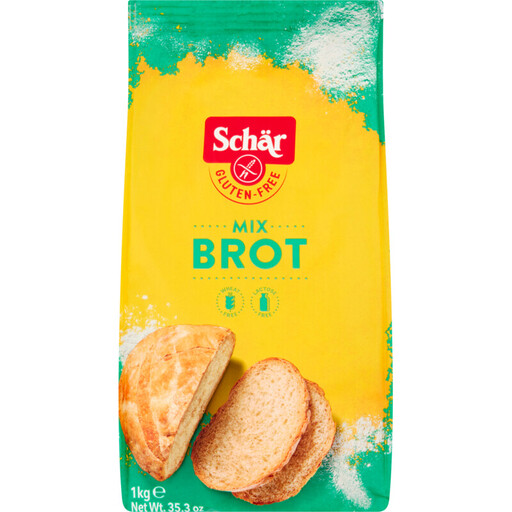
Schär Bread Mix-Mix B gluten-free bread mix, 1 kg
This mix is a good fit if you want to bake your own bread and plan your portions afterwards; it isn’t bread you can eat as a meal straight from the pack.
The pack contains 1 kg of mix. Before planning your portions, check the preparation instructions and how much bread you can make from it.
According to the product information, the mix contains soya. Check the ingredients if iodised salt matters to you, and avoid cross-contamination when baking.
View at Joybuy
Frequently asked questions
Is bread without wheat automatically suitable for people with coeliac disease?
No. Check the ‘gluten-free’ label and read the full ingredients and allergen list. The Netherlands Food and Consumer Product Safety Authority explains that the ‘gluten-free’ label must meet the requirements of EU Regulation 828/2014, even when an ingredient comes from a gluten-containing cereal. You should also avoid cross-contamination at home.
Does ‘gluten-free’ also mean it’s free from other allergens?
No. The label doesn’t tell you whether the product contains allergens such as egg, soya, nuts or sesame. For example, Jumbo states that Consenza Bruin Brood contains egg and may contain lupin, nuts, sesame and soya, so check the packaging of the exact product.
When are rolls more convenient than frozen bread for one person?
Rolls are a good choice if you want to use one per meal; frozen bread works well if you can defrost individual portions and store them according to the instructions. If you’re buying a larger pack, check what to do with any leftovers: Jumbo states that Consenza Bruin Brood must not be refrozen once defrosted.
Does all gluten-free bread contain iodised salt?
No. According to the Netherlands Nutrition Centre, using iodised salt when baking bread is not compulsory. Check the ingredients list of your chosen gluten-free bread to see whether it has been used.
How can I avoid cross-contaminating gluten-free bread at home?
Store gluten-free bread separately from ordinary bread, and use clean hands and crumb-free utensils when preparing it. The Netherlands Nutrition Centre warns that even a stray bread crumb can cause symptoms in people with coeliac disease.


