If someone needs to follow a strict gluten-free diet, choose bread clearly labelled ‘gluten-free’ or bearing the Crossed Grain symbol, and keep it separate from regular bread when serving. Then choose a type of bread to suit your Easter breakfast or brunch, and check the current packaging for ingredients and other allergens. A bread mix also takes time to prepare and needs a work surface kept free from gluten.
Who are you buying bread for?
Someone who follows a strict gluten-free diet
You’re buying for yourself or a guest who needs to avoid gluten completely. According to the Voedingscentrum, even a stray bread crumb can cause symptoms for someone with coeliac disease. So check not only the label, but also how you prepare and serve the bread.
Hosting a mixed Easter brunch
You’re serving both gluten-free and regular bread. A separate serving area and separate utensils help prevent crumbs from regular bread getting onto the gluten-free option.
Comparing food labels
As well as gluten, you’re checking for other allergens, fibre, salt or whether iodised salt is listed. These details vary from product to product: ‘gluten-free’ doesn’t tell you what else is in the bread.
What should you look for?
First, make sure the bread is suitable for the person eating it. Then choose between a standard loaf, smaller brunch portions or baking your own, and only then compare the other label details and the quantity you’ll need.
Packaged standard loaf
Best for: An Easter breakfast when you want to make several slices of toast or sandwiches.
Bear in mind: A gluten-free label doesn’t rule out other allergens. Check the label on the bread you choose.
Small rolls or festive bread
Best for: A brunch where you want to serve individual portions or a festive-shaped loaf.
Bear in mind: The gluten-free festive bread by Yam shown by PLUS contains egg and almonds, and may contain soya and milk.
Gluten-free bread mix
Best for: Baking your own bread when you have time to prepare it.
Bear in mind: You’ll need a work surface and utensils kept free from crumbs from regular bread.
| What to consider |
What to check |
Who it matters to |
| Gluten and crumbs |
Look for ‘gluten-free’ or the Crossed Grain symbol on the packaging. Keep slicing, toasting and serving separate from regular bread. |
If I’m buying bread for someone with coeliac disease, I want to be able to check the label and avoid crumbs when serving. For around 33% of consumers, that assurance that the bread is gluten-free comes first. |
| Other label details |
Read the ingredients and allergen information. Compare nutritional values such as fibre and salt per 100 g; check whether iodised salt is listed if relevant. |
If a guest has another allergy, or I’m comparing the nutritional value of different breads, the front of the packaging isn’t enough. Around 27% of consumers give checking the label the highest priority. |
| Type of bread and portions |
Choose a type to suit the number of people eating gluten-free and the occasion. Check the storage instructions and any preparation instructions too. |
For a brunch, I want to know whether I can serve slices or individual portions, without preparing more than I need. Around 20% of consumers prioritise the type of bread. |
| Quantity and availability |
Check the pack weight, how many portions you need and whether it’s available at the shop where you do your food shopping. |
If I’m shopping for several Easter guests, I want to make sure I can get enough gluten-free bread. For around 20% of consumers, the quantity needed and availability are the main concerns. |
Common mistakes
-
Only checking the ‘gluten-free’ label on the front
Gluten-free bread can still contain other allergens. For example, Jumbo lists soya in its Lekker Vrij van Gluten Wit, with egg, milk and nuts listed as possible allergens.
When buying and before serving, check the current ingredients and allergen information on the packaging, especially if you’re buying for someone else.
-
Preparing gluten-free bread alongside regular bread
According to the Voedingscentrum, even a small amount of gluten, such as a stray bread crumb, can cause symptoms for someone with coeliac disease.
Use a separate chopping board, knife and serving area. Take care with shared spreads and utensils too.
-
Choosing festive bread without checking the allergens
The gluten-free festive bread by Yam shown by PLUS contains egg and almonds, and may contain soya and milk. So the shape of the bread alone doesn’t tell you whether it’s suitable for all your guests.
Ask which allergens your guests need to avoid, then check the packaging of the specific festive bread.
Brands to consider
AH Glutenvrij
Albert Heijn’s range includes light and dark multiseed bread.
- Different types of bread give you options for breakfast or brunch.
- Check the ingredients and allergen information on the packaging of the product you choose.
Jumbo Lekker Vrij
Jumbo’s range includes gluten-free loaves and a bread mix.
- Choose between bread that’s ready to eat and a mix for baking your own.
- The white bread described by Jumbo contains soya and may contain egg, milk and nuts. Check each product for any other allergens you need to avoid.
Schär
Schär products available in Dutch supermarket ranges include multigrain bread and mini baguettes.
- The different types of bread give you options for sandwiches and individual brunch portions.
- The Meesterbakker Mehrkorn bread described by PLUS contains soya and may contain lupin, mustard and sesame. This doesn’t tell you about the allergens in other Schär products.
PLUS Glutenvrij
PLUS’s own range includes white, brown and multiseed gluten-free bread.
- These types of bread give you options for an Easter breakfast with slices of bread.
- Read the ingredients and allergen information for the variety you’re buying.
Yam
The range shown by PLUS includes gluten-free festive bread by Yam.
- Festive bread offers a different option for an Easter brunch from a standard sliced loaf.
- The festive bread described contains egg and almonds, and may contain soya and milk.
Gluten-free options on Joybuy
These products suit two ways of choosing bread for an Easter brunch: an option described as mini baguettes and a gluten-free bread mix for baking your own. Check exactly what’s in the mini baguette pack and how to prepare it.
 No image available
Gv Baguette Mini, 7 Pieces
The mini baguette format could work well as individual portions for an Easter brunch.
Before buying, check whether the pack contains rolls or a mix, and what preparation is needed. If you need to avoid other allergens, check the current information about soya, lupin and mustard.
View on Joybuy
 No image available
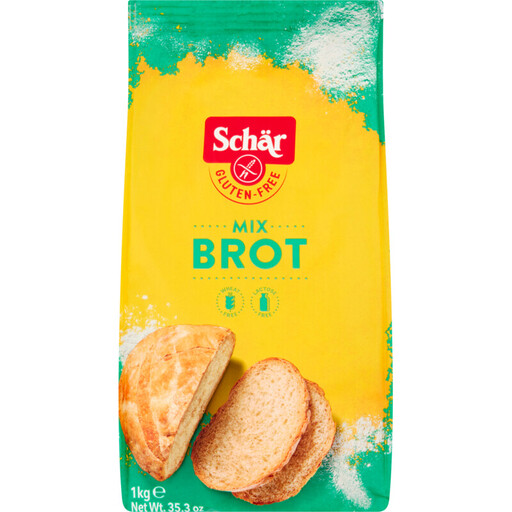
Schär Bread Mix-Mix B Gluten Free, 1 kg
This gluten-free bread mix is a good choice if you want to bake your own bread and have time to do so before the Easter brunch.
The pack contains 1 kg of mix, not ready-made bread. Follow the preparation instructions and keep your work surface free from crumbs from regular bread. If you have a soya allergy, check the current allergen information. Check the ingredients list too if iodised salt is important to you.
View on Joybuy
Frequently asked questions
Is wheat-free the same as gluten-free?
No. If you need to avoid gluten completely, you can’t rely on ‘wheat-free’ alone: gluten is also found in rye and barley. According to the Voedingscentrum, look for a clear gluten-free label or the Crossed Grain symbol on the packaging.
Can gluten-free bread contain other allergens?
Yes. Jumbo lists soya in its Lekker Vrij van Gluten Wit, and says it may contain egg, milk and nuts. For Schär Meesterbakker Mehrkorn, PLUS lists soya and says it may contain lupin, mustard and sesame. So always read the packaging of the product you’re buying.
How can I keep gluten-free bread separate at an Easter brunch?
Serve it in a separate area and use a separate chopping board, knife and spreads or utensils. The Voedingscentrum points out that even a stray bread crumb can cause symptoms for someone with coeliac disease.
Does all gluten-free bread contain iodised salt?
Don’t assume it does. Check the ingredients list for the specific bread to see whether iodised salt or baker’s salt is listed; the gluten-free label doesn’t tell you which type of salt has been used.


