What should you look for when choosing?
Start with the gluten-free claim and how you’ll serve the bread. Then compare the product format and ingredients, depending on what matters most for your coffee break.
| What to consider |
What to check when buying |
Who it matters most to |
| Gluten and crumbs |
Read the current gluten-free claim and keep the bread separate from ordinary bread and cake when serving. If you wish, check whether the Crossed Grain symbol appears on the packaging. |
If I’m buying for someone with coeliac disease, I want to prevent even a crumb of ordinary cake from getting onto the gluten-free bread; for around 50% of consumers, protection from gluten contact comes first. |
| Size and preparation |
Check that the portion size suits your group and whether the product needs baking or preparation before serving. |
For a small coffee break, I want something I can serve without cutting into a whole loaf; around 30% of consumers give top priority to a serving size that suits the occasion. |
| Ingredients |
Compare fibre and salt per 100 g, and read the ingredients and allergen information for the product you choose. |
If the bread is also intended for breakfast or lunch, I want to be able to assess the nutritional information and any other allergens; around 20% of consumers prioritise the ingredients. |
Brands and shops to explore
This shop information can help you find the right bread format; if you have coeliac disease or other allergies, always check the individual product.
Albert Heijn
Albert Heijn lists its own gluten-free bread alongside products such as rolls, mini baguettes and sweet bread products.
- AH Glutenvrij Brood donker meerzaden half is a 480 g packaged loaf; according to Albert Heijn, it can be frozen on the day of purchase.
- Albert Heijn warns that product and allergen information can change. So check the packaging, even if you’ve bought the product before.
Jumbo
Jumbo lists a range of gluten-free bread formats, including brown and white bread, ciabatta and mini baguettes.
- Jumbo Lekker Vrij van Gluten Bruin, 500 g, displays the Crossed Grain symbol and lists iodised salt.
- The same bread lists soya as an allergen and may contain egg, milk and nuts.
PLUS
PLUS lists its own gluten-free white, brown and multiseed bread, alongside products from other brands.
- The range of bread formats makes it possible to compare a product for your coffee break with a loaf for a meal.
- Schär Meisterbäcker Vital, listed by PLUS, may contain lupin, soya and mustard; if you have allergies, check the current packaging.
Dirk
Dirk’s search results include gluten-free bread products from Schär, such as Meisterbäcker varieties and smaller bread formats.
- Searching for a specific bread format can help if you want to serve something small with coffee.
- Check the packaging and availability of each item where you shop; a search result alone isn’t enough.
Lidl
Lidl has a page about gluten-free products and distinguishes additional products from its standard range.
- The range page can be a starting point for finding a particular gluten-free bread product.
- If you’re planning a coffee break, don’t rely only on additional-range products; check the specific bread and what’s available in store beforehand.
ALDI
ALDI has a general category for bread and bakery products.
- The category gives you a starting point for looking at individual bread products.
- A general bread category doesn’t tell you whether a particular loaf is suitable for someone with coeliac disease. Choose based only on the information for the specific product.
Joybuy products for your coffee break
Below are two different ways to serve gluten-free bread with coffee: mini baguettes that you bake at home, and a bread mix for anyone who wants to make bread in advance. They require different preparation.
 Image unavailable
Gv mini baguettes, 7 pieces
An option if you want to serve individual rolls with coffee. The packaging lists seven mini baguettes; bear in mind that you’ll need to bake them at home, and check the contents and allergen information on the current packaging.
View at Joybuy
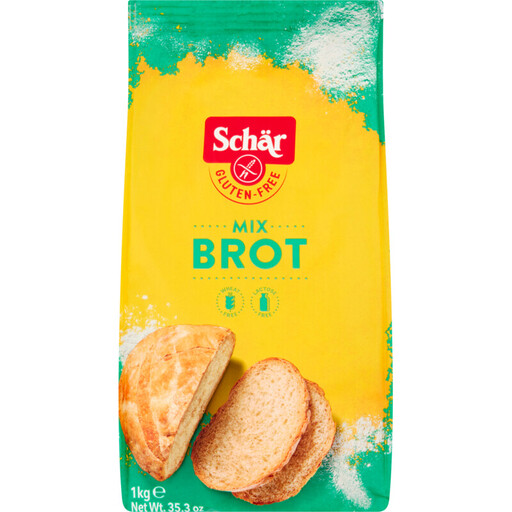 Image unavailable
Schär Bread Mix-Mix B gluten-free bread mix, 1 kg
An option if you want to make the bread yourself before your coffee break, but not if you need bread that’s ready to serve straight away. This is a 1 kg bread mix; if you have a soya allergy, check the current allergen information on the packaging.
View at Joybuy
Frequently asked questions
When can bread be labelled ‘gluten-free’?
According to Commission Implementing Regulation (EU) No 828/2014, the term ‘gluten-free’ may only be used for a food sold to the final consumer if it contains no more than 20 mg of gluten per kg. The claim says nothing about the absence of other allergens.
Is the Crossed Grain symbol essential?
No, it isn’t the only way bread can be labelled as gluten-free. The Dutch Coeliac Society explains that a product bearing this symbol contains less than 20 ppm of gluten and that the manufacturer meets additional requirements for gluten-free production. Check the packaging of the bread you buy to see whether the logo is present.
How should I serve gluten-free bread alongside ordinary cake?
Serve the gluten-free bread separately and use clean utensils and serving equipment to prevent crumbs from ordinary cake or bread getting onto it. The Netherlands Nutrition Centre stresses that even a small amount of gluten can matter to someone with coeliac disease.
Does all gluten-free bread contain iodised salt?
You can’t assume this is true of every loaf. According to the Netherlands Food and Consumer Product Safety Authority, iodine compounds may be present in bread and other bakery products through bakers’ salt. If iodised salt is relevant to your decision, check the ingredients list for the specific bread.
Can I buy gluten-free bread in advance and freeze it?
Follow the storage instructions for the product you choose. Albert Heijn says that AH Glutenvrij Brood donker meerzaden half can be frozen on the day of purchase; for a Schär loaf, PLUS recommends using it within a few days of opening or freezing it straight away. Keep the bread separate from crumbs containing gluten while it’s in storage too.


