For someone over 70 with coeliac disease, start by choosing bread that is clearly labelled gluten-free; ‘wheat-free’ or ‘multiseed’ is not a substitute. Then compare each product’s nutritional information, allergens and ease of use, and check the label for iodised salt or baker’s salt. At home, keep the bread separate from ordinary bread crumbs too.
Who is this choice relevant to?
Someone over 70 with coeliac disease who eats bread every day
They’re looking for a gluten-free alternative to ordinary bread. The Dutch Coeliac Society points out that even crumbs from ordinary bread can contaminate gluten-free bread, for example when it is sliced or topped.
Carer or family member doing the shopping
Clear packaging and a consistent routine for storing and preparing the bread can make things easier. A clean knife, a clean chopping board and toppings without bread crumbs help prevent contact with ordinary bread.
Older shopper who also wants to compare nutritional value
They want to assess fibre, protein, salt and ingredients as well as the gluten-free label. According to the Netherlands Nutrition Centre, illness, health conditions or a reduced appetite can make it especially important for older people to pay attention to their overall diet.
What should you look for when choosing?
Start by checking the gluten-free label on the current packaging. Then compare the nutritional information, storage and preparation instructions, and whether the type of bread suits your day-to-day needs.
| What to consider |
What to check before buying |
Who should pay particular attention? |
| Gluten-free label |
Look for ‘gluten-free’ on the packaging and read the current ingredients and allergen information. ‘Wheat-free’ on its own does not mean the same thing. |
When I buy bread for someone with coeliac disease, I want to check that it is labelled gluten-free before looking at other features. This check comes first for around 36% of consumers. |
| Nutritional information and iodine |
Compare fibre, protein and salt per 100 g. Check the ingredients list for iodised salt or baker’s salt. |
If someone has a limited appetite, I want to know how the bread contributes to their overall diet, not just whether it is gluten-free. Around 29% of consumers prioritise this comparison. |
| Storage and preparation |
Check the storage and preparation instructions, and whether the packaging can be kept separate and easy to identify. |
When several people share a kitchen, I want to be able to store and serve the bread without it coming into contact with ordinary bread crumbs. This is the main practical concern for an estimated 21% of consumers. |
| Type of bread and availability |
Check whether the type of bread you want is available at your local shop. If you choose an alternative, check its packaging again. |
For everyday use, I want a type of bread that works with my meals, plus an alternative in case my usual product is unavailable. Around 14% of consumers pay most attention to this. |
Common mistakes
-
Assuming ‘wheat-free’ or ‘multiseed’ means gluten-free
These words are no substitute for a gluten-free label. Grains other than wheat can contain gluten too.
Check the current packaging for ‘gluten-free’ every time you buy, and read the ingredients and allergen information, especially if the packaging has changed.
-
Preparing gluten-free bread with shared kitchen utensils
According to the Dutch Coeliac Society, crumbs on a chopping board can get into gluten-free bread. A used knife or shared butter can also contain crumbs.
Keep the bread sealed and separate. Use clean hands, clean cutlery, a clean chopping board and toppings free from crumbs from ordinary bread.
-
Skipping the nutrition table
A gluten-free label doesn’t tell you how much fibre, protein or salt the bread contains. The Netherlands Nutrition Centre notes that older people’s nutritional needs can vary, for example due to illness or a reduced appetite.
Compare the nutritional information per 100 g and consider the bread as part of the overall diet.
-
Assuming every loaf contains baker’s salt
According to the Netherlands Nutrition Centre, bakers are not required to use baker’s salt. The gluten-free label won’t tell you whether it has been used.
If it matters to your choice of bread, check the ingredients list for iodised salt or baker’s salt.
Brands and shops to consider
Albert Heijn
Albert Heijn lists a gluten-free bread category online, featuring own-brand products and other brands, including Schär and Consenza.
- The category includes different types of bread to compare.
- Check the packaging and availability at the shop where you do your shopping.
Jumbo
Jumbo lists gluten-free bread online from its own brand, Schär and other brands.
- The online category includes several types of bread, including white, brown and multiseed.
- An online listing does not mean a product is available at every branch.
Lidl
Lidl has a page about gluten-free products, which states that additional gluten-free products are not available at the time specified.
- Check the current range before relying on an additional or temporary product for your regular shop.
Schär
Schär appears in the online bread categories reviewed at Albert Heijn and Jumbo.
- The products shown include several types of bread.
- Check the nutritional information, allergens and preparation method for each product.
Consenza
Consenza is listed in Albert Heijn’s online category with a chia seed loaf.
- A product worth looking at if you’re after a seeded loaf.
- Check the current nutritional information, allergens and local availability of the specific product.
Products for different preparation methods
Both of these products need to be prepared: the mini baguettes need baking, while the flour mix is for making bread from scratch. Choose according to the time and kitchen facilities you have available, and always check the current packaging.
 Image unavailable
Gv Baguette Mini, 7 pieces
An option if you’d like small rolls and can bake them at home. Before use, check the current packaging for the gluten-free label, allergens, ingredients and preparation instructions.
View at Joybuy
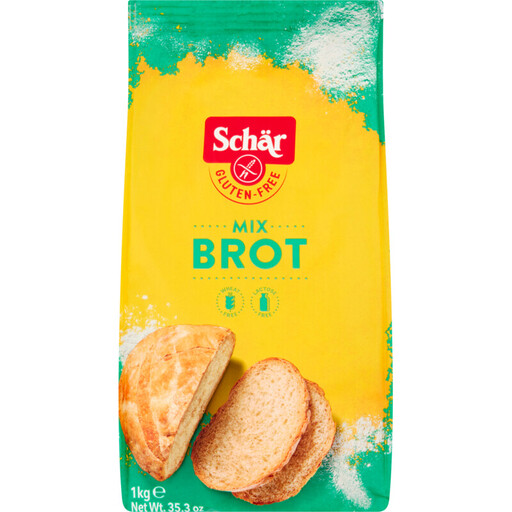 Image unavailable
Schär Bread Mix-Mix B Gluten Free, 1 kg
A flour mix for making your own bread, not a ready-made loaf: you’ll still need to prepare and bake it. Check the current gluten-free and allergen information, and look for iodised salt on the label if that matters to your purchase.
View at Joybuy
Frequently asked questions
Is wheat-free bread suitable as gluten-free bread for someone with coeliac disease?
Not on the basis of a ‘wheat-free’ label alone. Choose bread labelled ‘gluten-free’ and check the current ingredients and allergen information; grains other than wheat can contain gluten too.
What does ‘gluten-free’ mean on bread?
According to the Dutch Coeliac Society, a product labelled ‘gluten-free’ contains less than 20 mg of gluten per kg of product. The label alone says nothing about how much fibre, protein or salt it contains.
How can I keep gluten-free bread separate from ordinary bread at home?
Keep it sealed and separate, and use clean kitchen utensils when slicing and adding toppings. The Dutch Coeliac Society warns that crumbs from ordinary bread can get into gluten-free bread, for example via a chopping board.
Does gluten-free bread always contain iodised salt?
No, don’t assume that it does. According to the Netherlands Nutrition Centre, bakers are not required to use baker’s salt. So check the ingredients list of the bread you choose for iodised salt or baker’s salt.
Is bread for baking at home more convenient than a gluten-free flour mix?
It depends on what you can prepare at home. Mini baguettes need baking, while a flour mix first needs to be made into bread and baked; neither option is ready-made bread.


