What should you look for when choosing?
Start with the gluten-free label and allergen information. Then compare the nutritional profile and the type of bread you need for your table.
| What to consider |
What to check when buying |
Who should consider this? |
| Gluten-free suitability |
Look for the explicit ‘gluten-free’ label and read the ingredients and allergen information. Use separate utensils when serving. |
If someone with coeliac disease is joining us, I want to prevent ordinary bread or crumbs from getting onto their food. Around 50% of consumers would put gluten-free suitability first as their main concern. |
| Fibre and salt |
Compare the fibre content per 100 g and the types of flour used; check the ingredients list for iodised salt. |
When I replace ordinary bread, I want to know how much fibre the gluten-free product contains and which salt has been used. For around 20% of consumers, this nutritional profile would be their first consideration. |
| Bread shape |
Decide whether you need pita, rolls or bread to serve at the table, then check the packaging of your chosen product. |
For filled barbecue dishes, I’m looking for a different shape than I would for bread to serve with a dip. Around 30% of consumers would prioritise choosing a practical shape, once gluten-free suitability has been confirmed. |
Brands and ranges to help you compare
These examples can help you compare different bread shapes. Always check the gluten-free label, ingredients and nutritional information on the individual product.
AH Glutenvrij
Under this own-brand range, Albert Heijn offers gluten-free wholemeal pita breads for filled dishes.
- Albert Heijn labels these pita breads as gluten-free.
- The label on these pitas doesn’t tell you about the ingredients or allergens in other products in the range. Check the packaging of the variant you choose.
Céréal
Céréal offers a wholemeal loaf described as gluten- and lactose-free, for anyone looking for sliced bread.
- Albert Heijn describes this loaf as containing wholemeal buckwheat flour.
- Check the packaging for other allergens and the latest nutritional information. The properties of this loaf don’t automatically apply to other Céréal products.
Schär
Jumbo’s gluten-free bread range includes several products from Schär in different shapes.
- Loaves and smaller serving options let you choose a shape to suit your barbecue dish.
- Compare the ingredients, allergens and preparation instructions for each product. A category label is no substitute for checking the product packaging.
Jumbo Lekker Vrij
Jumbo’s own-brand range includes gluten-free brown and white bread in 500 g packs.
- The brown and white varieties give you two options if you want to serve a standard loaf.
- Compare the fibre, salt and other allergens on the packaging of the variety you’re considering.
PLUS
PLUS’s gluten-free range includes brown bread, multiseed bread and bread rolls.
- Bread rolls and standard loaves suit different ways of serving.
- Ingredients, nutritional values and allergens can vary between varieties. Check the information for the product you’re actually choosing.
Gluten-free bread options at Joybuy
For your barbecue, these two options offer different ways to serve bread: mini baguettes as individual rolls, and a gluten-free bread mix for anyone who wants to bake their own. The mix isn’t a ready-made loaf, so bear preparation in mind for both options and check the current packaging.
 Image unavailable
Gv Mini baguettes, 7 pieces
The mini baguette shape works well for rolls served individually at a barbecue. The product information gives conflicting preparation instructions, so check the current packaging before buying to see whether you need to make the rolls or simply bake them. Also read the allergen information if a guest has other allergies.
View at Joybuy
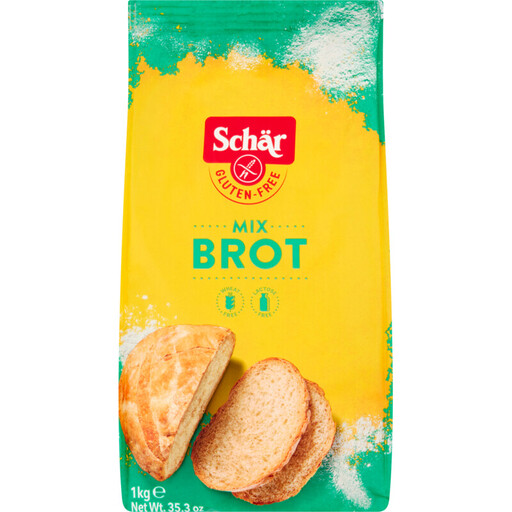 Image unavailable
Schär Bread Mix-Mix B Gluten Free, 1 kg
This bread mix is for anyone who wants to make their own gluten-free bread for a barbecue; it isn’t a ready-to-serve loaf. The shape of the finished bread depends on what you bake. Check the latest ingredients and allergen information, and look at the packaging to see which salt is used if that matters to your choice.
View at Joybuy
Frequently asked questions
When can bread be labelled ‘gluten-free’?
Under Commission Implementing Regulation (EU) No 828/2014, the label ‘gluten-free’ may only be used on a food for the final consumer if its gluten content is no more than 20 mg/kg. If you’re buying bread for a guest with coeliac disease, check the label on the product you choose and keep it separate from ordinary bread when serving.
Are wholemeal or multiseed breads automatically gluten-free?
No. ‘Wholemeal’ and ‘multiseed’ don’t tell you whether a bread contains gluten; ordinary wholemeal wheat or rye bread isn’t suitable as a gluten-free alternative. Look for the explicit gluten-free label and read the ingredients and allergen information for the individual loaf.
What should I check when comparing fibre or iodised salt?
Compare the fibre content per 100 g in the nutritional information, and check the ingredients list for iodised salt. According to the Netherlands Nutrition Centre, around 45% of iodine intake in the Netherlands comes from bread, but you’ll need to assess the ingredients of each gluten-free substitute individually.
How should I serve gluten-free bread at a barbecue?
Set the bread aside and use its own clean plate, knife, tongs and chopping board. Check sauces, marinades, burgers and other toppings separately too: serving gluten-free bread doesn’t automatically make the rest of the meal gluten-free.


