Who is this choice relevant for?

Student with coeliac disease

You’re looking for biscuits to take to your new room, but checking for a gluten-free label and reading the packaging come before taste or brand. The Voedingscentrum identifies ‘gluten-free’ and the Crossed Grain trademark as indicators to look for; Thuisarts advises checking products when you buy them.

Student stocking up on gluten-free food

You want biscuits you can store and buy again, even if your usual shop temporarily runs out of a particular variety. So compare pack sizes and storage instructions, and have a second shop in mind as a back-up.

Student with other allergen requirements

You need to watch out for ingredients other than gluten, too. A gluten-free label alone doesn’t tell you whether a biscuit is suitable for someone with, for example, a milk, soya or nut allergy. Check the ingredients and allergen information on the packaging of the product you choose.

What should you look for when choosing?

Start by checking the gluten-free label and the packaging for the variety you’ve chosen. Then see whether you can buy those biscuits again and whether the pack size suits your storage space and how quickly you’ll eat them.

What to consider What to check when buying Who it matters to
Gluten-free suitability Look for ‘gluten-free’ or the Crossed Grain trademark on the packaging, and read the current ingredients and allergen information. If I’m buying biscuits for someone with coeliac disease, I want to check first that this particular variety is gluten-free. For around 50% of these consumers, suitability would be the top priority.
Availability Check whether the variety you want is available, and note down an alternative brand or a second shop. When moving into student accommodation, I want to be able to pick up biscuits alongside my usual shopping and find them again later. Consistent availability would be the top priority for around 30% of these consumers.
Pack size and storage Compare the net weight and best-before date, and read how to store the pack once opened. With limited cupboard space, I don’t want to choose a pack I can’t finish in time. The right pack size would be the most important consideration for around 20% of these consumers.

Common mistakes

  • Assuming vegan means gluten-free

    The Lotus Biscoff Speculoos described by Jumbo contains wheat flour and lists wheat as an allergen. The vegan label doesn’t make this classic variety suitable as a gluten-free biscuit.

    First check for a gluten-free label and read the ingredients for the specific product; assess any other labels separately.

  • Relying on just one shop

    Product ranges can change from shop to shop and over time. Lidl noted on its range page that some additional gluten-free products were temporarily unavailable.

    Check what’s available before you shop, and keep an alternative brand or a second shop in mind.

  • Choosing a large pack without a storage plan

    Biscuits come in a range of pack sizes. A larger pack is less practical if you have little storage space or take a long time to finish it.

    Compare the pack size and best-before date, and read the storage instructions before choosing a pack for your room.

    Once opened, you’ll also need to be able to reseal the pack and store it as directed on the packaging.

  • Assuming gluten-free means free from other allergens

    A gluten-free label doesn’t answer separate questions about ingredients such as milk, soya or nuts.

    If you have other allergies, read the ingredients and allergen information on the current packaging.

Brands to consider

Albert Heijn Glutenvrij

A supermarket own-brand option if you want to pick up gluten-free biscuits with the rest of your shopping.

  • Albert Heijn includes its own chocolate chip biscuits in its gluten-free biscuit range.
  • Check the variety you choose and the information on the physical packaging; the range can change.

Jumbo Lekker Vrij

Jumbo’s own range includes several types of biscuits labelled gluten-free.

  • Jumbo includes speculaas, stroopwafels and milk chocolate digestives in the range.
  • The range also includes other types of products, so compare the label and pack size for each product.

Schär

A specialist range for anyone looking to try different styles of biscuit labelled gluten-free.

  • Schär’s range includes Choco Chip Cookies and digestives.
  • Check each variety for other allergens, too; a gluten-free label doesn’t answer that question.

Consenza

A specialist Dutch range that includes biscuits, stroopwafels and speculaas biscuits.

  • Consenza markets these product ranges as gluten-free.
  • When buying, rely on the labels, ingredients and allergen information on the specific packaging, not just the brand name.

Lotus Biscoff

A familiar speculaas biscuit to be aware of when looking for a gluten-free alternative.

  • Classic Lotus Biscoff Speculoos is a familiar type of biscuit.
  • The variety described by Jumbo contains wheat flour and lists wheat as an allergen, so don’t choose it as a gluten-free biscuit.

Biscuits for your room on Joybuy

This biscuit variety may be worth considering if you’re looking for a pack to keep in your student accommodation. If you’re following a gluten-free diet or have other allergies, always check the labels and ingredients on the packaging you receive.
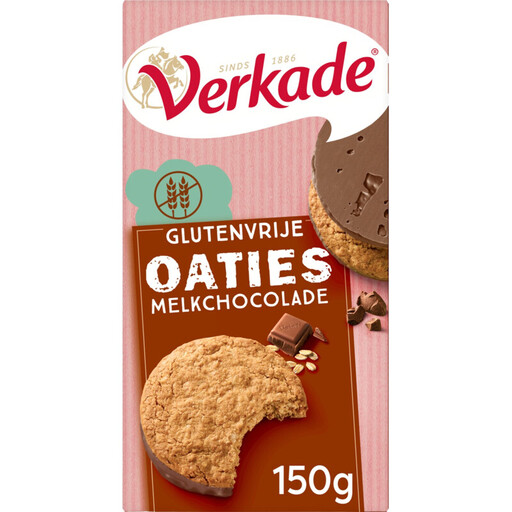
Verkade Gv Oaties Milk Chocolate, 150 g

Verkade Gv Oaties Milk Chocolate, 150 g

A pack of biscuits to consider keeping in your room. Check the current packaging to make sure this variety is suitable for your gluten-free diet and any other allergies.

View on Joybuy

Frequently asked questions

Are regular Lotus Biscoff biscuits gluten-free?

The Lotus Biscoff Speculoos described by Jumbo isn’t gluten-free: this variety contains wheat flour and lists wheat as an allergen. If you’re buying for someone with coeliac disease, choose a biscuit whose gluten-free label and current packaging meet their dietary requirements.

How can I identify gluten-free biscuits for someone with coeliac disease?

Look for ‘gluten-free’ or the Crossed Grain trademark on the packaging, then read the label for the variety you’ve chosen. The Voedingscentrum lists these as indicators to look for; Thuisarts advises checking products for gluten when you buy them.

Is the online product description enough to choose a biscuit?

Use online descriptions to find products, but check the information on the physical packaging when you buy them. That way, you can check the ingredients and allergens in the product you’ll actually receive.

How should I store biscuits in my student accommodation?

Follow the storage instructions on the packaging and check how to reseal the pack once it’s open. If you’re buying biscuits to keep in stock, check the best-before date, too.
