If you’re choosing a biscuit for a pupil with coeliac disease, look for a clearly labelled ‘gluten-free’ pack or the Crossed Grain symbol, and check the current label before packing it. Check for other allergens and the portion size too: a gluten-free biscuit isn’t automatically suitable for someone with, for example, a wheat or nut allergy.
Who is this choice relevant to?
Secondary school pupils with coeliac disease
For a biscuit in a school bag, it’s important to look for a clear gluten-free label. The Voedingscentrum identifies the ‘gluten-free’ label and the Crossed Grain symbol as indicators to look for. You should also prevent contact with crumbs from ordinary biscuits or bread.
Pupils with multiple food restrictions
If they also need to avoid milk, soya, eggs, nuts or other ingredients, the gluten-free label on the front of the pack isn’t enough. Read the full allergen information for the product you choose.
Parents looking for a lunchbox biscuit
The pack needs to suit what the pupil wants to take with them. Compare the net weight, number of biscuits and allergens for each variety rather than choosing based only on the brand or flavour.
What should you look for when choosing?
For a school lunch for a pupil with coeliac disease, the gluten-free label is essential. Then consider any other allergens, pack size and purchasing options that matter to the pupil.
| What to consider |
What to check when buying |
Who it matters to |
| Gluten-free label |
Look for ‘gluten-free’ or the Crossed Grain symbol on the current packaging. Keep the biscuit separate from crumbs from ordinary bread and biscuits. |
When I’m packing a biscuit for a pupil with coeliac disease, I mainly want to be sure I’ve picked up the right pack and kept it separate from ordinary crumbs. For around 42% of consumers, this gluten-free requirement is the most important factor. |
| Other allergens |
Read the allergen information and any warnings about possible presence; assess claims such as ‘lactose-free’ separately. |
If another ingredient also needs to be avoided, I want to know whether this particular variety is suitable. This is probably the most important additional consideration for 25% of consumers. |
| Portion size |
Compare the net weight, number of biscuits and any stated portion size. |
For a school lunch, I want to pack an amount that fits into a lunchbox without any fuss. For roughly 17% of consumers, pack size gets the most attention. |
| Availability |
Check the current product information and, if necessary, keep a second option that you’ve already checked in reserve. |
If I want to pack the same biscuit regularly, I don’t want to rely entirely on a temporary range. For an estimated 16% of consumers, availability is the deciding factor. |
Common mistakes
-
Assuming ‘gluten-free’ means ‘free from all allergens’
Depending on the variety, the gluten-free biscuits reviewed also list ingredients or warnings relating to milk, soya, eggs and nuts, among other things.
If there’s a second food restriction, compare the full allergen information with the ingredients the pupil needs to avoid.
-
Packing an ordinary Lotus Biscoff biscuit
According to Lotus Bakeries’ Dutch product information, Lotus Biscoff Original Speculoos contains wheat flour, and gluten is a present allergen. It is therefore not a gluten-free alternative for this school lunch.
Choose a separate product with a clear gluten-free label; don’t infer that it’s suitable from its flavour, brand or other features.
-
Relying only on online information or a pack you’ve bought before
A product’s ingredients and allergen information can change. Albert Heijn advises customers to read the packaging itself alongside its product information.
Check the pack when you buy it and again before packing it, and keep gluten-free biscuits separate from ordinary crumbs.
-
Treating a temporary range item as a permanent option
Additional gluten-free products may come and go; Lidl Netherlands has previously described its extra gluten-free products as temporarily unavailable.
Check current availability before you shop and, if you like, keep a second suitable biscuit in reserve.
Brands and product ranges to consider
The differences below relate to the product ranges and varieties mentioned, not every biscuit made by each brand. Always check the packaging of the specific product when you buy it.
AH Glutenvrij
Albert Heijn sells several gluten-free biscuits under this own-label range. The almond biscuits reviewed come in a 45 g pack; according to Albert Heijn, they are made in a completely gluten-free environment.
- The small pack could be a good fit for one lunchbox.
- These almond biscuits contain almonds, eggs and soya. If you have a wheat allergy, check the wheat information in the allergen details too.
Jumbo Lekker Vrij van Gluten
This Jumbo own-label range includes different types of biscuits and baked goods. According to Jumbo, the milk chocolate digestives reviewed carry the Crossed Grain symbol; the stated portion size is 16.5 g.
- The stated portion size makes it easier to decide how much to pack.
- The digestives reviewed contain milk, oats and soya, and may contain nuts.
Schär
The Schär Choco Chip Cookies reviewed are described on the product page as gluten-free, lactose-free and vegan. According to the product information, each biscuit weighs 11 g.
- Knowing the weight of each biscuit helps you choose how many to pack in the lunchbox.
- This variety contains soya; the other claims don’t replace the need to check the allergen information.
Céréal
The chocolate biscuits reviewed are described on the product page as gluten-free and lactose-free, with a stated portion size of 17 g.
- The separate claims are useful if both gluten and lactose need to be avoided.
- This variety contains soya and may contain eggs, milk, nuts, sesame and lupin.
Lotus Biscoff
Lotus Biscoff Original Speculoos is not a gluten-free option for the school lunch described here.
- For this standard product, Lotus Bakeries lists wheat flour as an ingredient and gluten as a present allergen.
Biscuits on Joybuy
This selection focuses on chocolate biscuits for school lunch. For a pupil with coeliac disease, check the gluten-free label on the current packaging and assess the other allergens too.
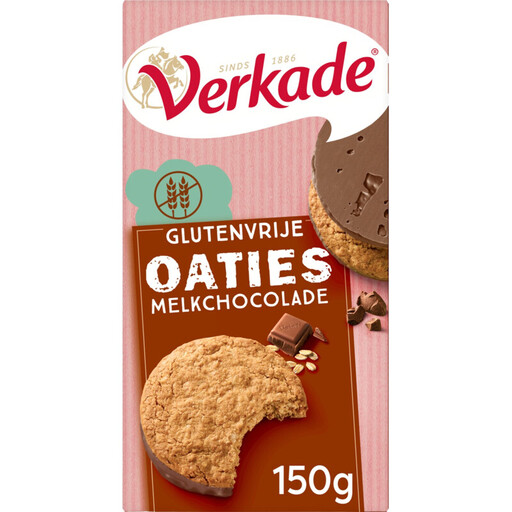 No image available
Verkade Gv Oaties Milk Chocolate, 150 g
Consider this chocolate variety for a school lunch if the gluten-free label and allergen information on the current packaging are suitable for the pupil.
The pack contains 150 g. If there are other food restrictions, check the information about milk, oats, soya and possible traces of nuts, then decide how many biscuits you want to pack.
View on Joybuy
Frequently asked questions
When can a biscuit be labelled ‘gluten-free’?
Under European Commission Implementing Regulation (EU) No 828/2014, the ‘gluten-free’ claim may be used if the product contains no more than 20 mg/kg of gluten for the final consumer. For a biscuit for a pupil with coeliac disease, look for an explicit claim on the current packaging rather than relying only on your own reading of the ingredients list.
Can I pack an ordinary Lotus Biscoff biscuit as a gluten-free snack?
No. Lotus Biscoff Original Speculoos is not a gluten-free biscuit. Lotus Bakeries’ Dutch product information lists wheat flour as an ingredient and gluten as a present allergen.
Are biscuits containing oats automatically suitable for someone with coeliac disease?
No. The word ‘oats’ alone doesn’t mean a biscuit is gluten-free. Check for a gluten-free claim or the Crossed Grain symbol on the specific pack, and read the other allergen information too: the Jumbo digestives reviewed list milk and soya as well as gluten-free oats.
Should I read the label if I’ve already checked the product page?
Yes. Before packing, read the ingredients and allergen information on the packaging itself. Albert Heijn notes alongside its product information that these details can change; for school lunch, what matters is the pack you actually give the pupil.


