If someone with coeliac disease is coming to your neighbourhood get-together, choose biscuits whose packaging explicitly says ‘gluten-free’ or carries the Crossed Grain symbol. Check for other allergens too, and keep the gluten-free biscuits separate from regular biscuits when serving them. You can also put out a separate plate for everyone else.
Who is this choice important for?
Hosts with a guest who has coeliac disease
You want your guest to be able to tell which biscuits are gluten-free. According to the Voedingscentrum, the ‘gluten-free’ label and the Crossed Grain symbol are useful markers on packaging. Keep the biscuits you choose separate from regular biscuits during the get-together too.
Hosts catering for several dietary requirements
Your guests may need to avoid lactose or another ingredient as well as gluten. If so, check the allergen information on the exact pack you’re serving: gluten-free on its own says nothing about milk, soya, egg or nuts.
Mixed groups who want familiar biscuits
You can offer regular biscuits alongside a separate gluten-free option. Don’t mix them together: Albert Heijn lists wheat flour and cereals containing gluten in Lotus Biscoff Speculoos XL.
What should you look for when choosing?
First, decide which pack is right for the guest who needs to avoid gluten. Then work out how to serve those biscuits separately, and check for any other dietary requirements before choosing flavours for the rest of the table.
| What to look for |
What to check when buying |
Who it matters most to |
| Gluten-free label |
Look for ‘gluten-free’ or the Crossed Grain symbol on the packaging, and read the ingredients and allergen information. |
If a guest has coeliac disease, I don’t want to rely on a name like ‘oat biscuit’ to decide what I can serve. For around 36% of consumers, a clear gluten-free label comes first. |
| Serving separately |
Provide a clean, separate plate and serving tongs, or keep portions in their own packaging. |
When regular biscuits are on the table too, I want to stop crumbs or shared tongs from coming into contact with the gluten-free option. This is the main concern for around 29% of consumers. |
| Other allergens |
Read the allergen statement, including any ‘may contain’ warnings, if guests need to avoid anything else. |
If milk, soya or nuts are also a concern, for example, I want to know what this particular biscuit contains or may contain. Around 21% of consumers prioritise these additional checks. |
| Flavour and choice |
Only choose a second type of biscuit after checking its label; check its packaging too. |
I want to offer more than one familiar flavour without losing sight of the separate gluten-free option. For around 14% of consumers, variety comes first. |
Common mistakes
-
Assuming ‘vegan’ or ‘made with oats’ means ‘gluten-free’
Those words don’t confirm that a biscuit is suitable for someone who needs to avoid gluten. For example, Albert Heijn lists wheat flour in Lotus Biscoff Speculoos XL.
Look for an explicit gluten-free label or the Crossed Grain symbol on the pack you choose, and read the allergen list.
-
Using the same tongs for all the biscuits
A biscuit chosen as gluten-free won’t stay separate from regular biscuits if guests use the same tongs or plate.
Put the gluten-free biscuits on a clean, separate plate with their own tongs. You can leave the packaging beside them so guests can check the label.
-
Assuming gluten-free also means free from other allergens
Jumbo lists milk, oats and soya in its Lekker Vrij van Gluten Digestives Melkchocolade, and says they may contain nuts. So a gluten-free option may not suit every other dietary requirement.
Check which allergens may be present in each product you choose, and make sure it’s suitable for what your guest needs to avoid.
-
Relying only on online product information
Ingredients and allergen information can change, as Albert Heijn notes in its product information.
Read the label on the pack you buy and keep the packaging during the get-together.
Brands to compare
These brands offer different types of biscuits, or may be worth considering if you want to serve regular biscuits alongside a gluten-free option. Always check the individual pack, not just the brand name.
Albert Heijn Glutenvrij
Albert Heijn’s gluten-free biscuit range includes speculaas and chocolate chip biscuits.
- The range includes different types of biscuits, so you can choose a familiar flavour.
- Albert Heijn says that ingredients and allergen information can change, so check the label on the pack you buy.
Jumbo Lekker Vrij van Gluten
This range from Jumbo includes speculaas, stroopwafels and digestives.
- The product page for Digestives Melkchocolade mentions the Crossed Grain symbol.
- According to Jumbo, those digestives contain milk, oats and soya, and may contain nuts. Don’t assume the same applies to other products in the range.
Schär
Albert Heijn lists several gluten-free biscuits from Schär, including chocolate varieties.
- A brand worth considering if you’re looking for a different type of biscuit alongside the own-brand options.
- Allergens and labels can vary between varieties, so check the label on the product you choose.
Céréal
The Céréal chocolate biscuits described by Jumbo are labelled gluten-free and lactose-free.
- Worth considering if both gluten and lactose need to be avoided.
- Check for other allergens too: the product information lists soya and possible traces of egg, milk, nuts, sesame and lupin, among other things.
Lotus Biscoff
Regular speculaas for a separate plate of ordinary biscuits, not as a gluten-free option.
- Can be served alongside a separate gluten-free biscuit for guests who don’t need to avoid gluten.
- According to Albert Heijn, Lotus Biscoff Speculoos XL contains wheat flour; keep these biscuits separate from the gluten-free plate.
Biscuits at Joybuy
If you’re looking for a biscuit labelled gluten-free for your get-together, you could consider this Oaties variety with milk chocolate. Before serving, check that the label suits your guests’ needs.
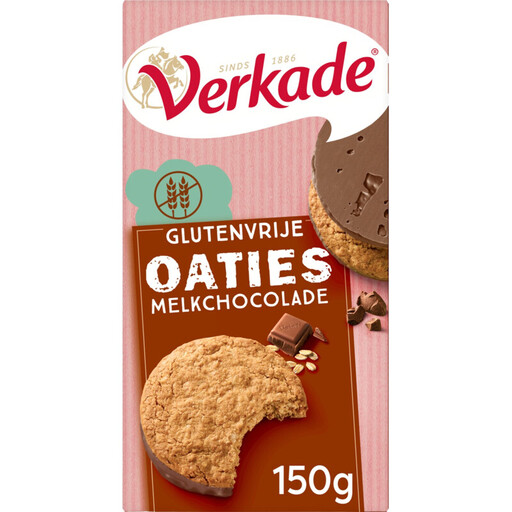 Image unavailable
Verkade Gv Oaties Milk Chocolate, 150 g
A biscuit to consider if you’re looking for a gluten-free milk chocolate option for your get-together. Check the current packaging for the gluten-free label and allergen information. If you’re unsure about oats, discuss the choice with the guest in question, and serve the biscuits separately from regular biscuits.
View at Joybuy
Frequently asked questions
Can I serve regular Lotus Biscoff to someone with coeliac disease?
Not as a gluten-free option: Albert Heijn lists wheat flour and cereals containing gluten in Lotus Biscoff Speculoos XL. Choose a biscuit with an explicit gluten-free label for that guest, and keep the regular speculaas separate.
Are oat biscuits automatically gluten-free?
No, the presence of oats alone doesn’t tell you that. Following the Voedingscentrum’s advice, check whether the packaging says ‘gluten-free’ or carries the Crossed Grain symbol, and read the label on the variety you choose.
How can I serve gluten-free and regular biscuits at the same time?
Serve the gluten-free biscuits on their own clean plate with separate tongs, so they don’t come into contact with regular biscuits or their crumbs. Keep the packaging beside the plate for anyone who wants to check the ingredients.
Are gluten-free biscuits also lactose-free or nut-free?
No, that doesn’t follow from the ‘gluten-free’ label. Jumbo lists milk in its Lekker Vrij van Gluten Digestives Melkchocolade and says they may contain nuts; check each product and pack against any other dietary requirements.


