What should you look for when buying?
Start by checking the gluten-free label and the allergens listed on the current packaging. Then decide whether you’ll serve the biscuits on their own or use them in a dessert.
| What to consider |
What to check when buying |
Who is this most important for? |
| Serving gluten-free food |
Look for an explicit gluten-free label; set aside a separate plate and clean serving utensils. |
If I’m hosting a guest with coeliac disease, I want to make sure a suitable biscuit doesn’t come into contact with bread or biscuit crumbs. This is the top priority for around 36% of consumers. |
| Other allergens |
Read the ingredients and allergen information for the exact variant; a gluten-free label tells you nothing about other allergens. |
If guests also need to avoid milk, egg, soya or nuts, the biscuit must meet more than one requirement. Around 29% of consumers give these additional checks priority. |
| Using biscuits in a dessert |
Choose a biscuit to suit its role in the recipe: a digestive for a crumb base or sponge fingers for a layered dessert. |
For an Easter dessert, I’m looking for a biscuit that works with the way my recipe is put together, not just one that tastes good. This is the first thing around 21% of consumers consider. |
| Flavour and serving size |
Compare the type of biscuit and pack size once you’ve checked the gluten-free label and any relevant allergens. |
Once the dietary requirements are covered, I want to choose a biscuit that goes well with coffee and is easy to serve. This matters most to around 14% of consumers. |
Biscuits at Joybuy
If you’d like a milk chocolate biscuit for Easter brunch, take a look at this option. Before serving, check the gluten-free label and allergen information on the packaging, especially if a guest has coeliac disease.
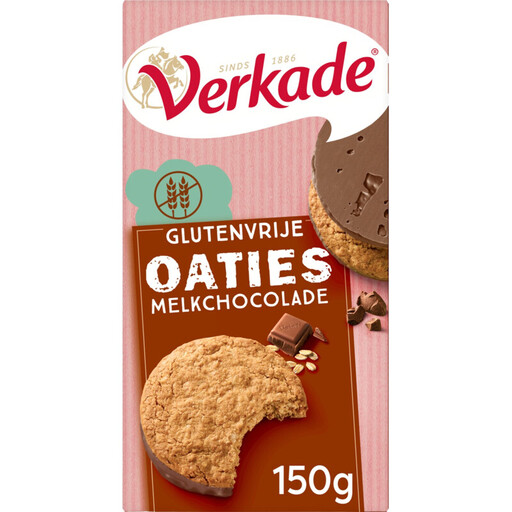 Image unavailable
Verkade Gv Oaties Milk Chocolate 150 g
A milk chocolate biscuit to enjoy with coffee or at Easter brunch. The pack contains 150 g. If you’re serving it to a guest with coeliac disease, check the current gluten-free label and look out for oats, milk, soya and nuts in the allergen information. Serve the biscuit separately with clean serving utensils.
View at Joybuy
Frequently asked questions
Can I put gluten-free biscuits next to regular Easter rolls?
Yes, as long as you serve them separately and avoid contact with crumbs. The Dutch Coeliac Association advises keeping gluten-free food separate and using clean utensils, so give the biscuits their own plate and serving utensils.
Are oat biscuits always suitable for a guest with coeliac disease?
No, don’t rely on the word ‘oat’ alone. Check that the exact variant is labelled gluten-free and read the current packaging; AH Gluten-Free Hazelnut Oat Biscuits also contain hazelnuts.
Can Lotus Biscoff Original be used as a gluten-free speculoos biscuit?
No. Lotus Bakeries lists wheat flour among the ingredients in Lotus Biscoff Original and gluten in the allergen information. Choose a separate product explicitly labelled gluten-free for your guest.
Which type of gluten-free biscuit works in an Easter dessert?
For a crumb base, you could use a gluten-free digestive; for tiramisu or a similar layered dessert, try gluten-free sponge fingers. Schär recommends Digestive as a base for quark tart or cheesecake, while Jumbo recommends Schär Savoiardi for tiramisu. Check the allergens in the biscuits and the other ingredients in your recipe too.
What if the packaging differs from the online product information?
Check the information on the packaging of the product you’re actually serving. Albert Heijn notes that ingredients and allergen information can change, so check the current label even if you’ve bought the same biscuit before.


