Who is this choice important for?

Host with a guest who has coeliac disease

They’re looking for an explicitly gluten-free alternative to rye bread and want to prevent crumbs, knives or shared toppings from coming into contact with the nibbles. The Voedingscentrum points out that even a stray bread crumb can cause symptoms for someone with coeliac disease.

Fan of savoury toppings and crunchy nibbles

They want a base for small topped bites. Gluten-free crispbread or crackers are ideal for a crunchy option, while a gluten-free bread roll is a better choice for softer nibbles.

Household that regularly eats gluten-free

As well as snacks for drinks, they consider fibre, other allergens and the ingredients in bread alternatives. If you regularly eat a different type of bread, the Voedingscentrum also recommends paying attention to sources of iodine in your overall diet.

What should you look for when choosing?

Start by checking for a gluten-free label and taking steps to prevent cross-contamination. Then choose between a crunchy base for individual nibbles and softer bread for small filled rolls. If you use it regularly, check the nutritional information and ingredients too.

What to consider What to check when buying Especially relevant for
Serving gluten-free Check that the packaging says ‘gluten-free’ and read the allergen information. Make sure toppings are prepared and served separately. If a guest has coeliac disease, I want a clear gluten-free label and to make sure ordinary bread crumbs don’t get onto their nibbles. For around 50% of consumers, this safety concern comes first.
Shape and convenience Compare crispbread or crackers for crunchy nibbles with bread rolls for a softer base. Check whether the product needs to be baked before serving too. I’m looking for something different for individual topped nibbles than for small rolls, and the preparation needs to suit the occasion. Around 30% of consumers give serving style top priority.
Nutritional information If needed, compare fibre and salt per 100 g, and check the ingredients to see whether iodised salt or baker’s salt has been used. If I use a bread alternative more often, I want to know how it fits into my usual diet. Around 20% of consumers put nutritional suitability first.

Common mistakes

  • Assuming rye bread or rye crackers are gluten-free

    Rye contains gluten. Ordinary rye bread is therefore not suitable for a guest with coeliac disease, whatever its colour or how it’s made.

    Choose a product whose packaging explicitly says ‘gluten-free’, and check again when you buy it.

  • Serving gluten-free nibbles alongside ordinary bread

    The Voedingscentrum says that even a stray bread crumb can cause symptoms for someone with coeliac disease. Sharing a knife, breadboard or toppings can undo the care taken to keep the food separate.

    Prepare the gluten-free nibbles first, using a clean, separate board, serving plate and knife. Keep the toppings separate as well.

  • Overlooking other allergens

    ‘Gluten-free’ doesn’t mean that a product is also free from allergens such as soya, milk, sesame or others.

    If there are additional allergies, read the full ingredients and allergen information on the packaging.

  • Assuming every bread product contains iodised salt

    The Voedingscentrum says that bread doesn’t have to be made with baker’s salt. As a result, the presence of iodised salt varies from product to product.

    Check the ingredients if you want to keep an eye on this when using a product regularly; don’t judge your iodine intake by a single nibble.

Brands and shops to consider

Albert Heijn

Albert Heijn lists gluten-free crispbread, crackers and bread-style products online.

  • According to Albert Heijn’s product information, AH Glutenvrij Vezelrijk crispbread contains gluten-free oats, rice, maize flour and iodised salt.
  • Check the packaging in store: Albert Heijn says that product information may change.

Jumbo

Jumbo lists gluten-free bakery products and bread from the Lekker Vrij van Gluten range.

  • The Lekker Vrij van Gluten Wit shown is a bread option for anyone looking for a softer base.
  • According to the product information, this bread contains soya and may contain egg, milk and nuts. Check the packaging if there are additional allergies.

PLUS

PLUS lists its own-brand gluten-free crispbread as well as a Wasa variety.

  • PLUS product information lists gluten-free oats, rice flour and iodised salt in its own-brand crispbread.
  • The PLUS product may contain sesame; the Wasa variety shown may also contain traces of milk.

Dirk

Dirk lists Schär Crackers glutenvrij as a crunchy base for drinks and nibbles.

  • Crackers are a good option when you want to make individual topped nibbles.
  • Before buying, read the ingredients and allergen information on the packaging, especially if there are additional allergies.

Lidl

Lidl has a page dedicated to gluten-free products.

  • Lidl also points customers towards its standard range for gluten-free options.
  • According to the page, the additional gluten-free range isn’t always available. Check the current selection and the packaging in store.

ALDI

ALDI lists gluten-free bread and rolls in its bakery range.

  • Rolls can be a good choice for drinks and nibbles with small, softly topped bites.
  • Check which products are available at your local store, and ask for up-to-date allergen information if buying unpackaged bread.

Joybuy products for drinks and nibbles

A savoury wafer and mini baguettes offer two different options for drinks and nibbles. If you’re serving a guest with coeliac disease, only choose a product whose current packaging says ‘gluten-free’, and prepare it separately from gluten-containing bread.
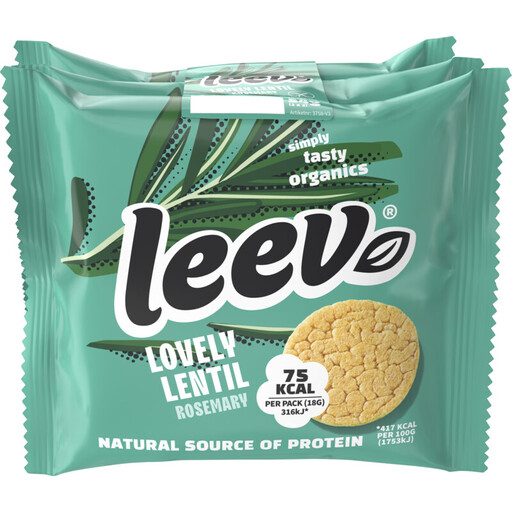
Leev Organic Rosemary Lentil Wafers, 54 g

Leev Organic Rosemary Lentil Wafers, 54 g

A savoury wafer for individual nibbles, rather than a bread-style base. If you’re serving a guest with coeliac disease, check that the packaging says ‘gluten-free’. For additional allergies, also check the information about milk and soya.

View at Joybuy

Gv Baguette Mini 7 Pieces

Gv Baguette Mini 7 Pieces

Mini baguettes for serving small filled rolls; remember that they need baking before your get-together. Check that the packaging says ‘gluten-free’ and read the allergen information, including details about soya, lupin and mustard.

View at Joybuy

Frequently asked questions

Is rye bread gluten-free?

No, ordinary rye bread isn’t gluten-free: rye contains gluten. If you’re serving someone with coeliac disease, choose an alternative whose packaging explicitly says ‘gluten-free’.

What should I look for in a gluten-free base for drinks and nibbles?

Check that the packaging says ‘gluten-free’ and read the ingredients and allergen information. Then choose crackers or crispbread for crunchy nibbles, or rolls if you’d prefer a softer base.

Can I use the same knife and board?

If you’re serving a guest with coeliac disease, it’s best to use clean, separate utensils. The Voedingscentrum says even a stray bread crumb can cause symptoms, so keep the plate and toppings for the gluten-free nibbles separate too.

Are oats in crackers always gluten-free?

No, don’t rely on the word ‘oats’ alone. If you’re serving a guest with coeliac disease, choose a product that’s explicitly labelled gluten-free and check the packaging of the variety you’re buying.

Does gluten-free bread always contain iodised salt?

No. The Voedingscentrum says that bread doesn’t have to be made with baker’s salt. If you use it regularly, check the ingredients list for iodised salt or baker’s salt, and don’t use one bread product as a guide to your overall iodine intake.
