What should you look for when choosing?
When choosing a snack for a child with coeliac disease, checking that it’s ‘gluten-free’ comes before deciding between a sandwich, a roll or another type of snack. Then consider what you can prepare safely at home and what your child can take with them easily.
| What to consider |
What to check when buying |
Who it matters to |
| Gluten and cross-contamination |
Look for ‘gluten-free’ on the current packaging, read the ingredients and allergen information, and use clean utensils when packing. |
When I’m packing for a child with coeliac disease, I want to prevent ordinary bread or crumbs from coming into contact with the snack. For around 50% of consumers, gluten safety would be the top priority. |
| Snack size and preparation |
Check whether the product is sliced and ready to eat or needs baking at home; also check how many pieces are included. |
After school, I want to pack something that suits my child’s appetite without any awkward preparation. A suitable snack size would come first for around 30% of consumers. |
| Nutritional information when replacing bread |
Compare fibre per 100 g across suitable options, and if you’re choosing bread, check the ingredients list to see whether baker’s salt has been used. |
When ordinary bread is replaced more often with a gluten-free alternative, I also want to be able to compare the nutritional information. For around 20% of consumers, this would be the most important consideration. |
Brands and shops to explore
These shops show a range of bread formats and snack options. Their ranges don’t confirm that gluten-free tiger bread is available; the packaging of the product you choose is what matters.
Albert Heijn
Albert Heijn’s gluten-free bakery range includes options such as sliced bread and rolls.
- Offers a choice between sandwich bread and a smaller roll for a snack.
- Check the current ingredients and ‘gluten-free’ labelling for each product.
Jumbo
The Jumbo tiger breads we checked show why a product name alone doesn’t confirm that it’s gluten-free.
- The product information for the white and wholemeal versions lists ingredients and allergens.
- Both versions we checked contain gluten-containing cereals, so they’re not suitable gluten-free snacks for someone with coeliac disease.
PLUS
PLUS shows gluten-free sliced bread and smaller bread formats to compare.
- A slice of bread or a roll may suit different snack sizes.
- Check the current product packaging; the range doesn’t confirm that a gluten-free tiger bread option is available.
Dirk
A search for gluten-free bread on Dirk’s site shows products including Schär bread and mini baguettes.
- These formats are worth considering if your child prefers a roll to a slice of bread.
- Check the specific product and current packaging before buying.
ALDI
ALDI lists gluten-free rolls alongside other bake-at-home rolls and snacks.
- Rolls can make a separate snack portion if preparing them at home works for you.
- Don’t assume that regular tiger bread or another roll shown is gluten-free.
Lidl
Lidl is another shop to check for a specific gluten-free alternative.
- Checking a specific product will help you decide whether its bread format suits the snack you have planned.
- Lidl says that additional gluten-free products aren’t always available, so check the current range.
Products for different types of snack
These Joybuy products offer three different after-school snack options: a mini baguette, savoury lentil wafers and granola. Only the mini baguette is bread-like. For a child with coeliac disease, check the current ‘gluten-free’ label, allergen information and preparation instructions for every product you choose. Also check the food policy at your child’s school or childcare setting.
 Image unavailable
Gv Baguette Mini, 7 pieces
A bread-like option if a small roll is a better fit than sliced bread. Check the packaging for ‘gluten-free’ labelling and read the preparation instructions before choosing it as an after-school snack.
View on Joybuy
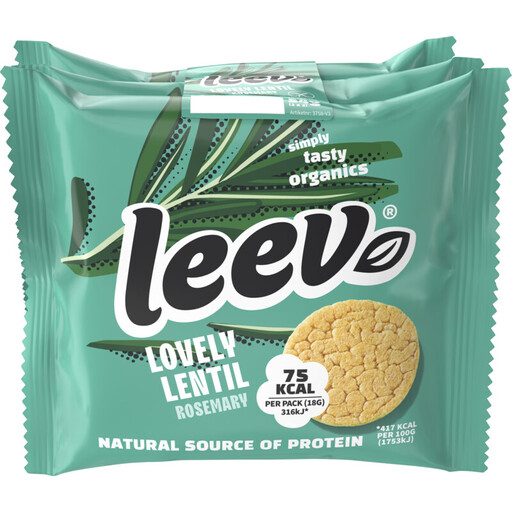 Image unavailable
Leev Organic Rosemary Lentil Wafers, 54 g
A savoury snack option when you don’t need a bread roll; the pack contains 54 g. The product information describes the wafers as gluten-free. Check this claim and the allergen information on the current packaging before packing them.
View on Joybuy
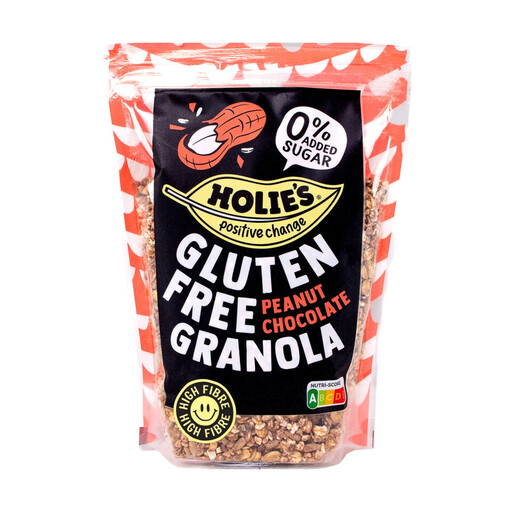 Image unavailable
Holie's Granola Glutenfree Peanut Chocolate, 330 g
Granola is a different kind of snack, not a substitute for the texture of tiger bread. The pack contains 330 g; choose a suitable portion to take with you. Check the ‘gluten-free’ label, allergen information including peanuts, and the food policy at your child’s school or childcare setting.
View on Joybuy
Frequently asked questions
Is regular tiger bread gluten-free?
Don’t assume it is: the white and wholemeal tiger breads from Jumbo that we checked contain gluten-containing cereals. They aren’t suitable snacks for a child with coeliac disease; look for an alternative labelled ‘gluten-free’ on its current packaging.
What should I check on the label of a gluten-free snack?
For a child with coeliac disease, check for the ‘gluten-free’ label and also read the ingredients and allergen information. The Netherlands Food and Consumer Product Safety Authority explains that legal requirements apply to the use of this label. The product name, a wholemeal version or the colour of a roll doesn’t replace these checks.
How do I pack gluten-free bread if we also have ordinary bread at home?
Prepare and pack gluten-free bread with clean hands and clean or separate utensils, on a clean worktop. Make sure crumbs from ordinary bread don’t get into the packaging or lunchbox; the Dutch Coeliac Association highlights the risk of cross-contamination for people with coeliac disease.
What should I consider if gluten-free bread is replacing ordinary bread more often?
Compare the nutritional information of suitable products, such as fibre per 100 g, and check whether baker’s salt is listed in the ingredients for bread. According to the Netherlands Nutrition Centre, bread made with iodised baker’s salt is an important source of iodine in the Netherlands. Discuss any questions about your child’s diet with a dietitian or healthcare professional.


