
Livraison le jour même et le lendemain

Qualité garantie

Débloquez vos offres de bienvenue: Livraison GRATUITE | Jusqu'à -80 % | 30 jours d'essai gratuits à JoyPlus
Téléchargez l'application
A glossy lip tint combines colour with a shiny finish. That sounds simple enough, but the options vary widely in coverage, staying power, texture and ingredients. One tint feels like a non-sticky lip gloss, while another works more like a lip stain and leaves colour behind as it fades.
For everyday use in the UK, comfort, a suitable shade and clear product information are key. Also pay attention to marketing claims: terms like “hydrating”, “long-lasting” or “nourishing” only mean something when you look at the formula, usage instructions and ingredients list.
A lip tint with a wet-look gloss can lose its shine more quickly after eating, drinking or talking. That doesn’t automatically mean the colour disappears completely. Some formulas leave a subtle stain behind, while others work mainly as a transparent gloss.
So look at the difference between:
A hydrating lip tint can contain ingredients such as glycerine, squalane, oils or hyaluronic acid compounds. However, it is not a substitute for a lip care product in every situation. Dry or sensitive lips can also react to fragrance or colourants.
Always check:
If you experience irritation, redness, itching or a burning sensation, stop using it. If you have sensitive skin, carry out a patch test beforehand according to the instructions on the packaging.
A semi-transparent lip colour can look different on every pair of lips. Your natural lip colour, undertone and the number of layers you apply all affect the result. A neutral pink, for example, can appear softer on light lips and be less visible on pigmented lips.
A practical approach:
A lip stain with gloss often gives a more transparent look than a classic lipstick. A watery or lightweight formula usually feels less heavy. If you don’t like a sticky feel, look for an explicit description such as “non-sticky” or “weightless”. That remains a product feature from the description, not a guarantee that everyone will experience the texture the same way.
A satin finish is less reflective than a wet-look finish. A transparent lip glaze gives mainly shine and less colour. So choose based on your daily routine: subtle for work or errands, buildable for an evening look.
With a vegan lip tint, the vegan claim must come from reliable product information from the brand or seller. The Laka Fruity Glam Tint, for example, is described as vegan in the product description. That doesn’t automatically mean every product with a similar name is vegan.
Also look out for nourishing ingredients:
According to OGB’s own product information, the peptides and oils are intended to leave lips feeling comfortable and cared for. See this as a description of the formula, not a medical effect.
The volume in the selection ranges from 1.9 g for mini tints to 4.5 g for several full-size Laka products. A mini is handy for a make-up bag or for trying out a colour first. A larger size works better if you use the same tint every day.
Store a lip tint tightly closed, in a cool, dry place away from direct sunlight. Check the expiry information on the packaging. Do not use the product if the smell, texture or colour has changed.
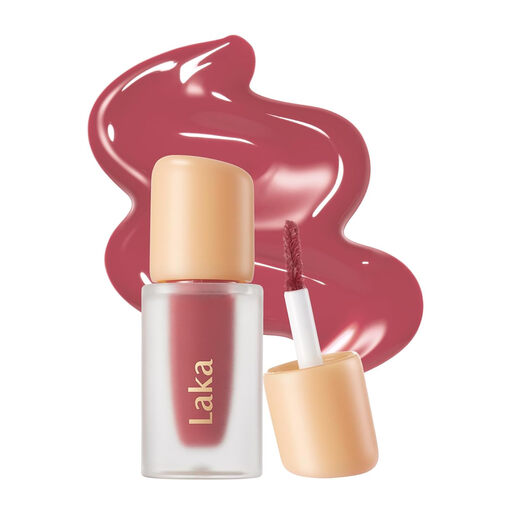
Why this fits the profile: The mini 1.9 g size is practical for trying out a berry colour or taking it with you in a small bag.
The small size limits your investment when you’re not sure if a glossy stain suits you. According to the product description, the colour can be built up and removed with make-up remover.
1.9 g volume, South Korean origin and a buildable glossy finish according to the product information.
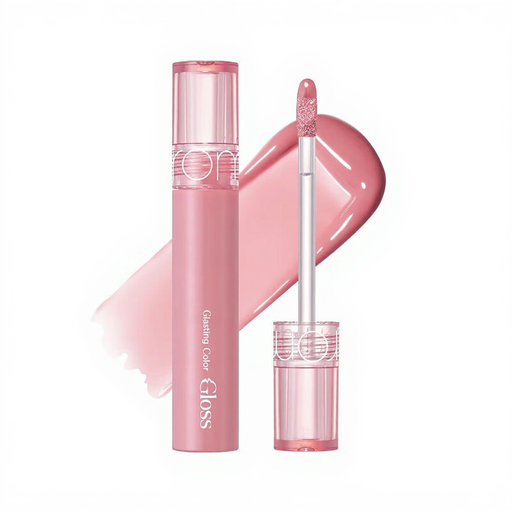
Why this fits the profile: This transparent lip glaze suits anyone looking for a reflective finish and a light, not-too-heavy texture.
The product information clearly states that the coverage is transparent. So you won’t expect a full-coverage stain when you mainly want shine.
4 g volume, glossy finish and, according to the description, a colour that becomes more intense with multiple layers.
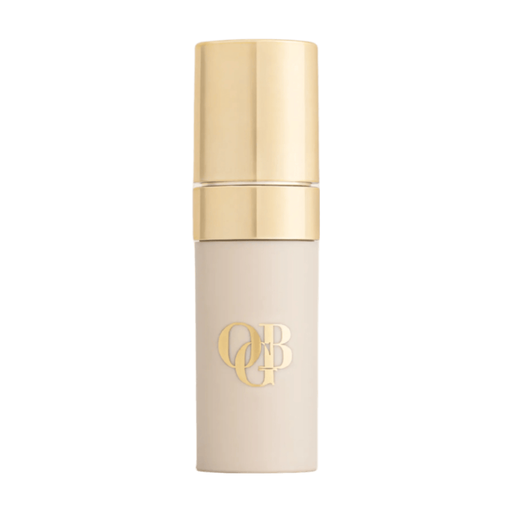
Why this fits the profile: The nude shade with a satin finish is aimed at daily use and anyone looking for a lip stain for dry or easily tight-feeling lips.
The product description mentions a tint that lasts for hours and a formula with peptides and sweet almond oil. Check the ingredients if you have allergies, and don’t expect that touch-ups will never be needed.
Soft nude colour, satin finish and four available shades according to the product description.
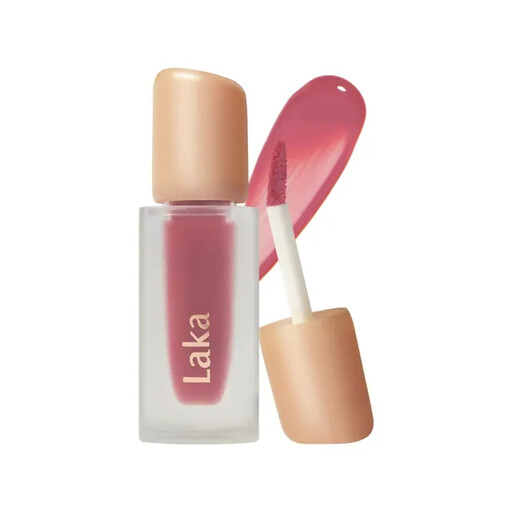
Why this fits the profile: The neutral muted pink shade and semi-transparent, glossy finish suit a subtle lip colour for everyday wear.
The description specifies a non-sticky, lightweight texture and buildable coverage. The formula does contain fragrance and colourants; check the list if you have sensitive lips.
4.5 g volume, vegan according to the product description, with glycerine, squalane and ten listed fruit juices.
We’ve put together a full, up-to-date list of products that fully meet these strict selection criteria and comply with current European safety regulations.
That depends on the formula and your personal sensitivity. Ingredients such as glycerine, oils, squalane or sodium hyaluronate can contribute to a comfortable feel. A tint with fragrance or certain colourants may be less suitable if you are sensitive to them. Always check the full ingredients list.
The shine usually remains visible for less time than the colour. A stain can leave colour for hours according to the product description, but eating, drinking and the condition of your lips affect the result. Apply a thin layer and take the product with you for a possible touch-up.
A lip gloss focuses mainly on shine and often has little colour adhesion. A lip tint contains colour that sometimes stays on the lips as a subtle stain. A glossy lip tint tries to combine both properties: shine while you wear it and a light colour after the shine fades.
