
Vandaag of morgen in huis

Kwaliteit gegarandeerd

Welkomstaanbiedingen ontgrendelen: GRATIS bezorging | Tot 80% korting | Gratis 30 dagen JoyPlus-proefperiode
Download de app
A jar of global sauces can give a quick meal much more character. Think hot sauces with noodles, chilli sauce for spring rolls, sambal with rice or salsa dip for nachos. However, not every sauce is suitable for every dish or household. A large bottle that disappears into the back of the fridge after one use is not ultimately a good-value purchase.
The most common pitfalls are:
Global sauces mainly differ in flavour profile, texture and use. Here are a few practical categories:
The ingredients list shows what a sauce actually contains. If chilli appears near the beginning, it generally makes up an important part of the recipe. With garlic sauce, it is useful to check how much garlic purée it contains. For pesto, check the basil, oil, cheese and nuts, among other ingredients.
Pay particular attention to the 14 main EU allergens. Examples from this range include:
Recipes can change. Always use the packaging as your final check, particularly if you have an allergy or intolerance.
You usually use sauces in small quantities, but the amount per 100 grams helps you compare products fairly. For example, Lee Kum Kee Minced Garlic Sauce states 5.8 grams of salt per 100 grams, while Encona Hot Pepper Sauce states 7.8 grams of salt per 100 ml/gram according to the product information. This does not mean you need to avoid these products, but a small serving may be advisable.
Sugar levels also vary considerably. Lee Kum Kee Hoisin Sauce states 45 grams of sugars per 100 grams. A sweet hoisin sauce works well with barbecued and stir-fried dishes, but is less suitable if you are looking for a dry, sharp or savoury flavour.
A thin hot sauce is easy to drizzle over pizza, eggs or soup. A thick chilli sauce clings better to dumplings, chicken or vegetables. Both can be used for stir-frying and marinating, but the quantity required will vary.
Also check:
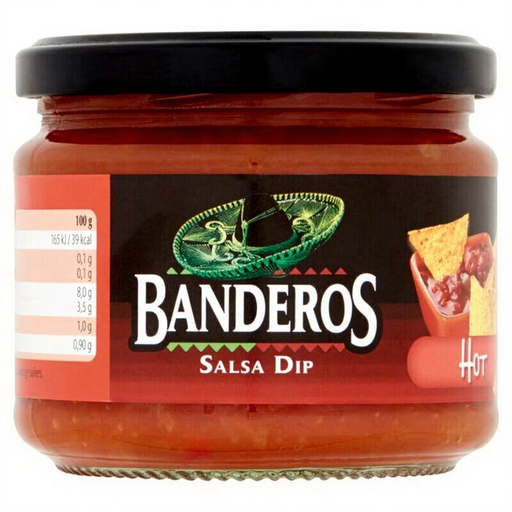
Why it suits this profile: This tomato salsa is ready to serve with tortilla chips, nachos and vegetables. The 300-gram jar is practical for sharing drinks or a meal with several people.
The ingredients list mentions tomatoes, chillies, onion, vinegar and herbs. This makes it clear that it is a tomato salsa rather than a pure hot sauce.
300 g quantity, 45 kcal per 100 g according to the product information, and suitable as a dip or topping.
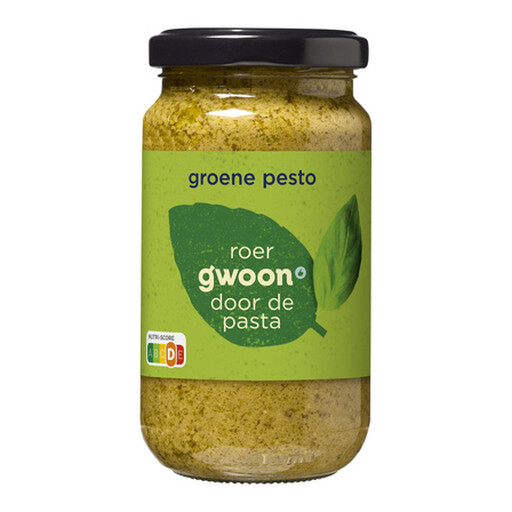
Why it suits this profile: This Italian pesto is ideal for pasta, bread and pizza. The ingredients include basil, olive oil, cheese, cashew nuts, pine nuts and garlic, among others.
The composition makes it clear that this is a creamy, oil-based pesto rather than a low-calorie tomato sauce. This helps prevent false expectations when buying.
190 g glass jar and clear mention of milk, cashew nuts and sulphites for a targeted allergen check.
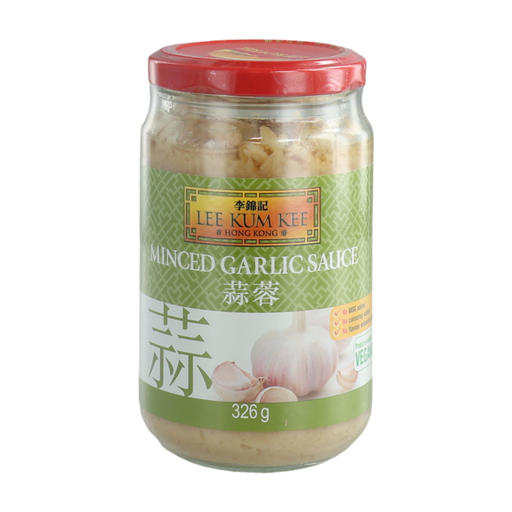
Why it suits this profile: According to the product information, the combination of chilli and 25% garlic is suitable for stir-fries, dips, marinades, noodles, dumplings, meat, vegetables and fish.
The sauce is ready to use and has multiple applications. This means you do not need to buy a separate chilli sauce or marinade for every dish.
326 g quantity, garlic clearly listed as an ingredient, and suitable for cooking, dipping and marinating.
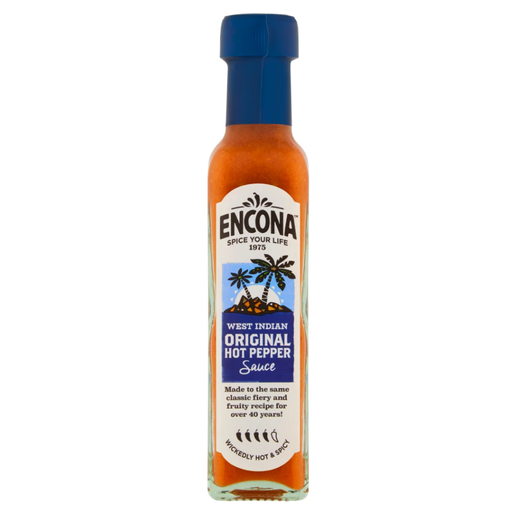
Why it suits this profile: The liquid sauce is easy to drizzle over pizza, into soup, with chicken or through mayonnaise. The product information lists cayenne peppers, vinegar, salt and natural flavourings.
The bottle contains 142 ml. This is a manageable size if you want to try a hot sauce without immediately building up a large supply.
Thin, pourable texture and 21 kcal per 100 g according to the supplied product information.
We have put together a complete, up-to-date list of products that fully meet these strict selection criteria and the applicable European safety regulations.
Choose a sauce with multiple applications. A chilli sauce or hot sauce works with noodles, rice, pizza, soup and marinades. A garlic and chilli sauce is also suitable for stir-fries and dips. A larger bottle may offer better value for a family, while a smaller pack is more practical for occasional use.
This varies from product to product. Always follow the storage and shelf-life information on the packaging. Many sauces need to be refrigerated after opening and sealed properly. Use clean cutlery, check the smell and appearance, and consume the product within the stated period after opening.
Sambal is often thick and concentrated, with chilli as its main ingredient. Chilli sauce can be sweeter and more syrupy and is often used as a dip. Hot sauce is usually more liquid and often contains vinegar, making it easy to drizzle over a range of dishes. The exact flavour and heat level vary by recipe, so check the ingredients and instructions for use.
