
Vandaag of morgen in huis

Kwaliteit gegarandeerd

Welkomstaanbiedingen ontgrendelen: GRATIS bezorging | Tot 80% korting | Gratis 30 dagen JoyPlus-proefperiode
Download de app
Are you searching for that one specific sauce to elevate your dish? The quest for authentic global sauces can sometimes feel like a treasure hunt. The selection at your local supermarket is often limited, and the online offering is overwhelming. You want the real taste of a Chinese sauce for your Mapo Tofu or that perfect Thai dipping sauce for your spring rolls, but you end up with a disappointing, overly sweet version.
Many home cooks fall into the same traps. They are lured by labels claiming "authentic," but the contents turn out to be a pale imitation loaded with sugar and flavor enhancers. Another common mistake is buying the wrong sauce for the wrong dish, simply because the application is unclear. Using a concentrated hotpot sauce as a ready-to-use stir-fry sauce rarely yields a good result.
This guide will help you avoid these mistakes. We'll explain what to look for, so you can confidently purchase the right international flavorings that suit your cooking style.
Before you place a sauce in your digital shopping cart, there are a few key points to check. This will help you see through the marketing jargon and choose a product based on what's really inside.
The ingredient list is your most important tool. The order tells you the main components. Are you looking for a spicy bean paste (Doubanjiang) for a Sichuan dish? Then chili peppers and broad beans should be at the top of the list, not sugar or water.
Not every sauce is a multipurpose tool. Manufacturers often create sauces for a specific application. It's useful to know the difference:
By checking these specifications, you can avoid a bad purchase and ensure your dish gets the flavor you had in mind.
To help you get started, we've highlighted some popular choices and matched them with different cooking styles.
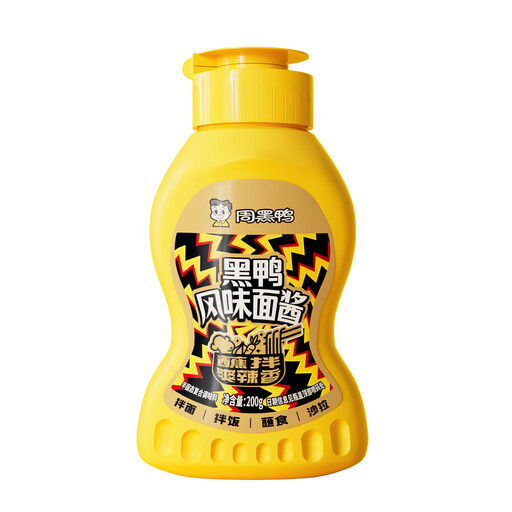
Why This Fits Their Persona: Perfect for those who want a flavorful meal on the table quickly after a long day. No complex steps, just mix with noodles or rice for an instant result.
This is a ready-to-use sauce, not a concentrated paste. The application is clear: mix and serve. This prevents the mistake of using a base paste undiluted.
Rich and complex umami flavor with a hint of sweetness and the signature Zhou Hei Ya style. Versatile enough for noodles, rice, or even as a salad dressing.
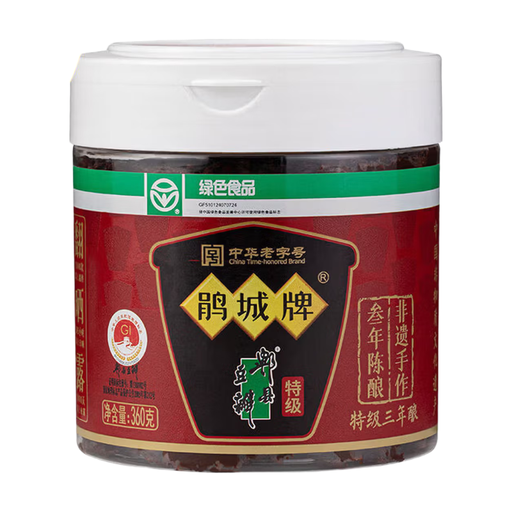
Why This Fits Their Persona: For the cook seeking the unmistakable soul of Sichuan cuisine. This is the foundation for classics like Mapo Tofu and twice-cooked pork.
This product avoids the trap of a misleading "authentic" label. Juan Cheng is a renowned brand from Pixian, the birthplace of this bean paste. The ingredients (red chili, broad beans) confirm its authenticity.
This is a fermented base paste that delivers a deep, salty, and savory umami flavor that cannot be imitated. The "Premium Grade" indicates a longer fermentation process for a more complex taste.
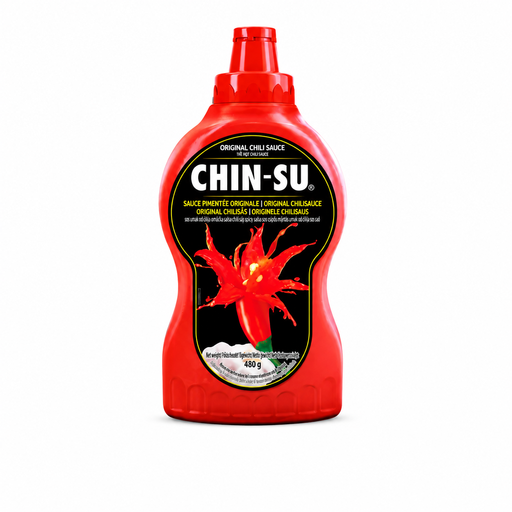
Why This Fits Their Persona: Ideal for those who love to experiment and want a sauce that works with many different dishes, from Vietnamese Ph? to a simple grilled cheese or as a dip with drinks and snacks.
This sauce isn't a vague "chili sauce" but a specific Vietnamese-style sauce. The addition of sweet potato for texture is a hallmark of this type of sauce, distinguishing it from generic versions.
Balanced flavor: not too spicy, with distinct sweet-sour and garlic notes. The unique, slightly thicker texture helps the sauce cling well to food, making it an excellent dipping sauce.
We've curated a complete, up-to-date list of products that meet these selection criteria and comply with current regulations.
A good indication is the combination of brand, origin, and ingredients. An authentic bean paste from Pixian will often state this on the packaging and have broad beans and chili as its main ingredients. For a Thai dipping sauce, you'd expect ingredients like fish sauce, tamarind, chili, and palm sugar. Avoid products where sugar or water is listed as the first ingredient if you're looking for a deep, savory flavor.
This varies by product. Fermented products like soybean paste or gochujang can last for months if refrigerated. Sauces with fresh ingredients like garlic or herbs have a shorter shelf life. The general rule is to store the sauce in the refrigerator after opening and consult the label for specific storage advice.
A stir-fry sauce is intended for quick, high-heat cooking and is often added at the end for flavor and thickening. A marinade is used to flavor and tenderize ingredients before cooking. Marinades often have a higher salt or acid content and are less concentrated than a stir-fry sauce.
