
Vandaag of morgen in huis

Kwaliteit gegarandeerd

Welkomstaanbiedingen ontgrendelen: GRATIS bezorging | Tot 80% korting | Gratis 30 dagen JoyPlus-proefperiode
Download de app
Glassware may seem easy to compare, but small differences affect how enjoyable it is to use every day. A glass that is too small for your favourite drink, a carafe that does not fit in the fridge door or an oven dish whose lid is not dishwasher-safe: these are common causes of disappointment.
As a Joybuy Product Recommendation Officer, I filter product information based on verifiable details. Below, you’ll find what to look for when choosing glassware and which popular options suit different households, occasions and uses.
Transparent glassware has a clean, understated look and works with almost any dinnerware. However, a clear design tells you nothing about the capacity, wall thickness or stability. Always check the capacity in millilitres or litres, the dimensions and the weight. For example, a 400 ml highball glass is suitable for soft drinks and cocktails, while a 350 ml water glass is more compact for everyday use.
For products made up of several parts, the dishwasher claim does not always apply to every component. With a glass teapot, for example, the pot may be dishwasher-safe, while the lid and filter need to be washed by hand. With a glass oven dish, it is also important to check whether the lid is oven-, microwave- and dishwasher-safe.
Glass remains breakable, even when a product is described as sturdy or durable. According to 5five’s product description, the oven dish is made from borosilicate glass and suitable for temperatures of up to 400 degrees. This does not mean you should expose the dish to sudden, significant temperature changes without taking precautions. Allow hot glass to cool down gradually and always follow the manufacturer’s care instructions.
Choose glassware according to how you intend to use it:
For larger products, measure the available space as well. According to the product details, the Alpina carafe has a capacity of 1.4 litres and fits in a fridge door. Height and diameter remain important checks when you use a narrow shelf or fridge.
Pay attention to the difference between ordinary glass, crystal glass and borosilicate glass. Also look at components made from different materials:
Also check whether the product is described as fragile. Place a glass vase on a flat, stable surface and avoid overloading it if the maximum load capacity has not been specified.
Dishwasher-safe glassware is particularly practical for everyday use or larger dinner parties. Always check:
A glass oven dish is not the same as an ordinary glass dish. Only use products whose product information explicitly states that they are suitable for oven use.
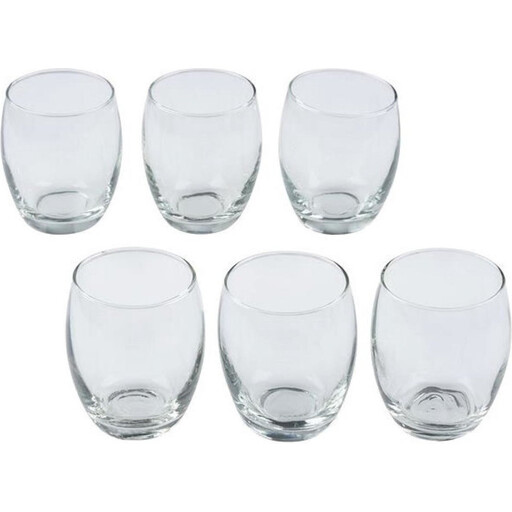
Why it suits this profile: A practical glassware set for households looking for one versatile set for water, soft drinks, wine or cocktails.
The 350 ml capacity and quantity of six glasses are clearly stated. This means you won’t end up with an impractically small glass or a set that does not cover enough place settings.
Six round glasses, 350 ml each and dishwasher-safe according to the product information.
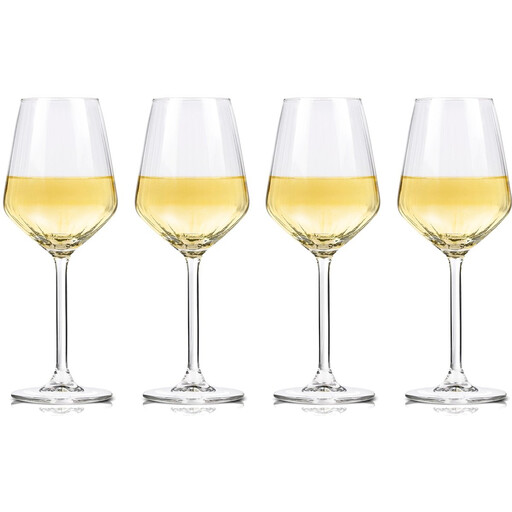
Why it suits this profile: Ideal for dinner parties, housewarmings and gift buyers looking for a specific set of stemmed wine glasses.
The product information states the type of white wine glass, the 380 ml capacity and the quantity of four glasses. It also specifies that the glasses are dishwasher-safe.
A set of four made from transparent glass, with stems and a slim shape according to the product description.
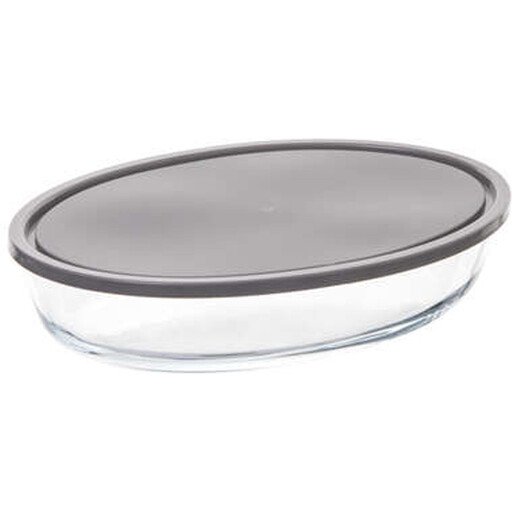
Why it suits this profile: For keen cooks who want one product for storing, baking and serving.
The product details distinguish between the dish and the lid: the dish is suitable for the oven, microwave and dishwasher; the lid is not.
Borosilicate glass, a 2.4-litre capacity and a lid included for storage.
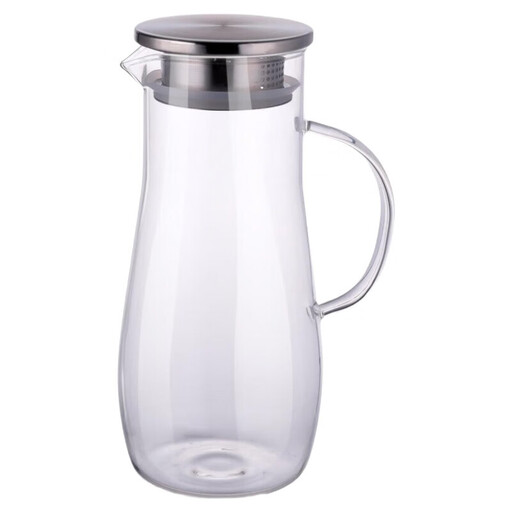
Why it suits this profile: A natural choice for families, dinner parties and barbecues where water or juice takes centre stage on the table.
The capacity, included lid and fridge suitability are stated. The carafe is not described as heat-resistant, so use it for cold drinks.
1.4-litre capacity, stainless steel lid, integrated strainer and dishwasher-safe design according to the product information.
We’ve put together a complete, up-to-date list of products that fully meet these strict selection criteria and the applicable European safety regulations.
Wash glass drinking glasses and wine glasses according to the product instructions. Use a soft sponge for delicate models and avoid abrasive cleaners. Regularly check glasses, carafes and vases for cracks, sharp edges or damage. Do not use damaged glassware for hot drinks or food.
For a glass storage jar, it is advisable to let the jar dry completely before adding dry food. Also check that the seal closes properly. A glass teapot with a filter can be useful for loose-leaf tea, but bear in mind that the filter and lid may not be dishwasher-safe.
For everyday use, glasses of around 300 to 400 ml are practical. A set of six water glasses or highball glasses is suitable for families and guests. Check that they are dishwasher-safe and that the size fits in your kitchen cupboard.
No. The product information must state this explicitly. With products made up of several parts, some components may be exceptions. For example, a glass dish may be dishwasher-safe, while a lid, filter, bamboo component or metal seal must be cleaned by hand.
Avoid sudden temperature changes, only stack glasses when their shape is suitable for this and place heavy products on a stable surface. Use an oven dish only for the stated applications and inspect glassware for damage before use.
