
Vandaag of morgen in huis

Kwaliteit gegarandeerd

Welkomstaanbiedingen ontgrendelen: GRATIS bezorging | Tot 80% korting | Gratis 30 dagen JoyPlus-proefperiode
Download de app
Choosing a new set of glasses and cups seems simple, until you realise how much capacity, care requirements and size can vary. For example, a low-priced set of drinking glasses may not be dishwasher-safe. A lovely mug might be too large for your coffee machine. And a set that seems handy for guests can sometimes take up unnecessary space in your kitchen cupboard.
So don’t just focus on colour or shape. Check the product information carefully and think about how you’ll actually use the tableware.
A set of six glasses might seem like a good choice, but six small water glasses won’t replace long drink glasses. Check the capacity of each glass, not just the number in the set. For everyday water and juice, around 250 to 310 ml is often practical. For soft drinks, lemonade and cocktails, 350 to 400 ml may be a better fit.
Also check whether the stated capacity applies to each glass or the entire pack. Online product pages should also clearly state how many pieces are included.
Words such as sturdy, durable or premium don’t tell you much without supporting details. Instead, look for specific information you can check, such as:
Glass remains breakable, even when a retailer describes it as sturdy. Store glasses securely and avoid hard knocks to the rim or base.
Not every glass or cup can go in the dishwasher without risk. According to the product information, the Secret de Gourmet set of six 310 ml tumblers is not described as dishwasher-safe, so hand-washing is recommended. By contrast, the 280 ml Rodrig water glasses and the 400 ml Alpina long drink glasses are described as dishwasher-safe.
For ceramic items, check the decoration too. Gold-coloured details may need extra care, even if the product itself is listed as dishwasher-safe.
Water glasses with a capacity of 250 to 310 ml are suitable for water, juice and smaller soft drinks. Long drink glasses of around 350 to 400 ml leave room for ice, lemonade or a mixed drink. However, a tall glass takes up more space in your cupboard and dishwasher.
For wine glasses, consider both the capacity and the bowl shape. A set of wine glasses with a capacity of 250 ml is compact for everyday use. Champagne glasses with a capacity of 180 ml are designed for sparkling drinks such as prosecco, cava or champagne. For spirits, shot glasses of around 45 ml are a practical size.
For cups, 160 ml is suitable for smaller servings of tea, while a ceramic mug with a capacity of 350 to 480 ml offers more room for coffee, tea or an infusion. A glass tea cup lets you see the colour of your drink, but always check that it’s suitable for hot liquids.
Glass has a clean, neutral look and is suitable for many cold drinks. However, not every glass is designed for hot or boiling liquids. According to the product information, the Gaspard long drink glasses are recommended for cold and room-temperature drinks, not hot or boiling liquids.
Ceramic and porcelain generally retain heat differently from thin glass. The product description for the TEANAGOO tea cups states that they’re suitable for use in the microwave and dishwasher. The manufacturer recommends hand-washing to help preserve the outer texture for longer. These care instructions matter more than appearance alone.
For double-walled coffee mugs, check whether they have a handle, how many ml they hold and whether they’re dishwasher-safe. The product description mentions the layer of air between the walls as an insulating feature, but you should still handle the glass with care and follow the supplier’s specific warnings.
Measure the height of your kitchen cupboard and check whether the glasses are stackable. The Rodrig water glasses have a stackable design, which can save space. Tall 400 ml glasses won’t always fit upright in every dishwasher.
Check the diameter too. A glass with a wide base or prominent textured pattern may take up more space than its capacity suggests. For everyday use, a matching set is often more convenient than a mix of shapes that are difficult to stack.
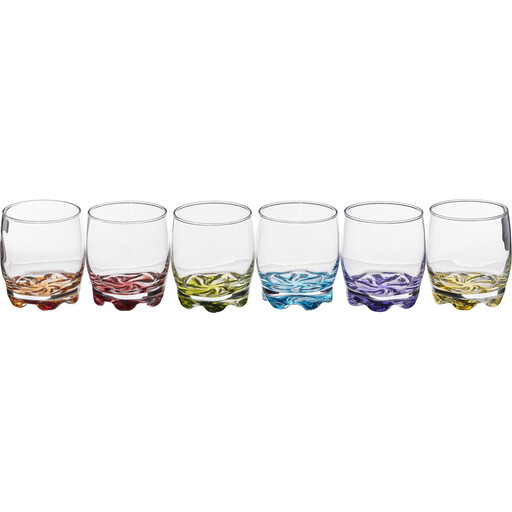
Why it suits this type of user: Six 310 ml glasses provide a straightforward everyday option for water, juice and cold soft drinks in a household looking to top up its glassware.
The capacity, dimensions and six-piece pack are clearly stated. Bear in mind that these glasses aren’t dishwasher-safe, according to the product information, so hand-washing is recommended.
Set of 6; 310 ml capacity per glass; transparent design.
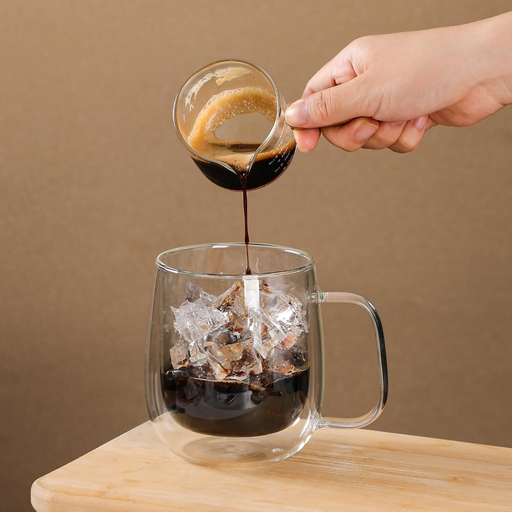
Why it suits this type of user: A set of two mugs is a good fit for coffee and tea drinkers looking for a clear design, a handle and a medium capacity.
The product description states the 350 ml capacity, mentions the handle and says the mugs are dishwasher-safe. Always check the latest care instructions before buying.
Double-walled construction according to the product description; 350 ml capacity; set of 2; dishwasher-safe according to the stated specification.
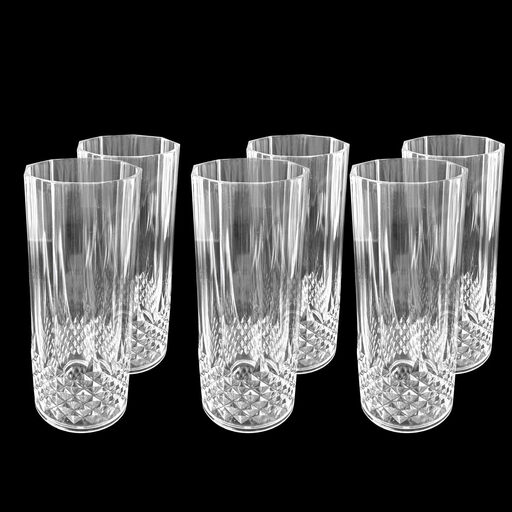
Why it suits this type of user: With a capacity of 400 ml, these glasses are ideal for larger cold drinks, barbecues, parties and households where glasses get plenty of use.
The set clearly states the six-piece count, 400 ml capacity and dishwasher-safety. Check beforehand that the height will fit in your cupboard or dishwasher.
Set of 6; 400 ml capacity; suitable for cold drinks; dishwasher-safe according to the product information.
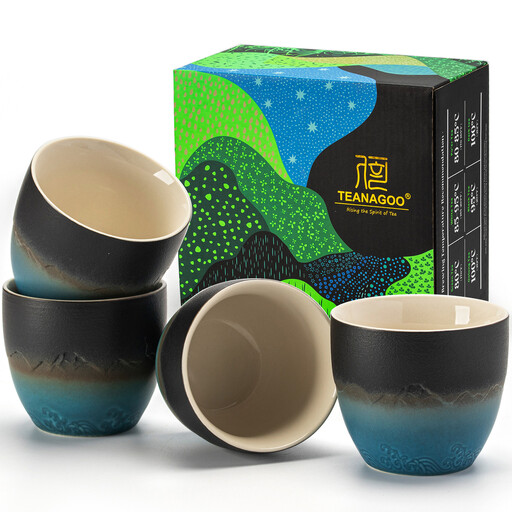
Why it suits this type of user: The 160 ml capacity is ideal for loose-leaf tea, Japanese or Chinese tea ceremonies, and smaller servings of coffee or other drinks.
The capacity and piece count are clearly stated. The product description says the cups are suitable for use in the microwave and dishwasher; hand-washing is recommended to preserve the outer texture.
Four ceramic cups; 160 ml capacity; textured exterior; stated suitability for microwave and dishwasher use.
We’ve put together a complete, up-to-date list of products that meet these strict selection criteria and the applicable European safety regulations.
Water glasses with a capacity of around 250 to 310 ml are practical for everyday use. Choose a dishwasher-safe set if you want to minimise hand-washing. Long drink glasses with a capacity of 350 to 400 ml offer more room for soft drinks, lemonade and cocktails, but check their height and the space you have for storage.
Their lifespan depends on the material, how they’re used and how they’re cared for. Avoid sudden temperature changes, hard knocks and overloading the dishwasher racks. Hand-washing decorative ceramic cups can help keep their finish looking good for longer. If you spot damage, hairline cracks or a sharp edge, consider whether it would be safer to replace the item.
A set is often practical if you need several matching glasses or are expecting guests. However, compare the price per glass, capacity and care requirements. A set of six small glasses isn’t necessarily better value if you’re really looking for four large long drink glasses. For a complete set of everyday tableware, it may also be more useful to choose glasses, tea cups and mugs to suit different occasions rather than choosing by colour alone.
