
Vandaag of morgen in huis

Kwaliteit gegarandeerd

Welkomstaanbiedingen ontgrendelen: GRATIS bezorging | Tot 80% korting | Gratis 30 dagen JoyPlus-proefperiode
Download de app
An organised kitchen with fresh ingredients within easy reach. That's the dream. But the reality is often different: stale biscuits, musty coffee beans, and a pantry cluttered with half-empty, messy packaging. A quality glass storage jar seems like the solution, but the market is flooded with options that over-promise and under-deliver.
Before you invest in a set that disappoints after a few months, it's wise to understand the common pitfalls. Many jars fail on key points you only discover after purchase.
A smart choice starts with ignoring the marketing hype and focusing on the specifications that truly matter.
To avoid buyer's remorse, there are a few technical details you should check. These determine the lifespan and user-friendliness of your storage jars.
Most glass jars are made from standard soda-lime glass. It's inexpensive, but also fragile. A superior option is borosilicate glass. This type of glass contains boron trioxide, which makes it much stronger and more resistant to thermal shock.
The lid is just as important as the jar itself. The material and sealing mechanism determine how truly airtight the storage jar is.
Consider what you plan to store. A standard pack of spaghetti (500g) typically fits in a 1.2 to 1.5-litre jar. For 1kg of flour or sugar, you'll quickly need a 1.5 to 2-litre jar. Stackable, square, or rectangular models use space in your cupboard or drawer more efficiently than round jars. Consider a storage jar set for a uniform and organised look.
Based on these functional criteria, we have selected a number of products that suit different needs and budgets.
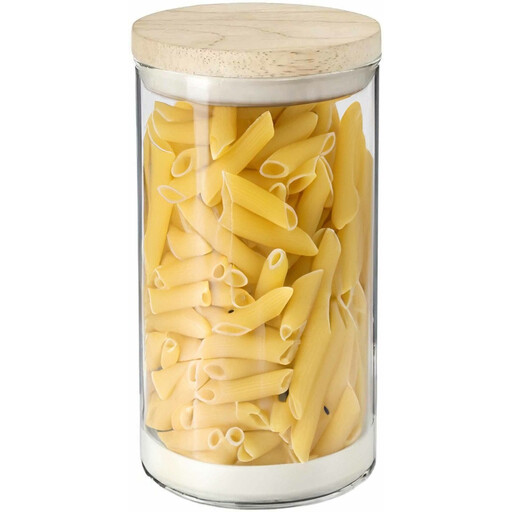
Why This Fits Their Persona: Perfect for those who want an organised kitchen that also looks great, without immediately committing to a full set. The combination of clear glass and a wooden lid fits into almost any interior design.
The jar is made of borosilicate glass, making it stronger than standard glass. The hevea wood lid seals with a silicone ring, which reduces the risk of a poor seal.
Stylish and functional design. The jar itself is dishwasher-safe (lid is not). Suitable for dry foods like pasta, rice, or as a glass candy jar.
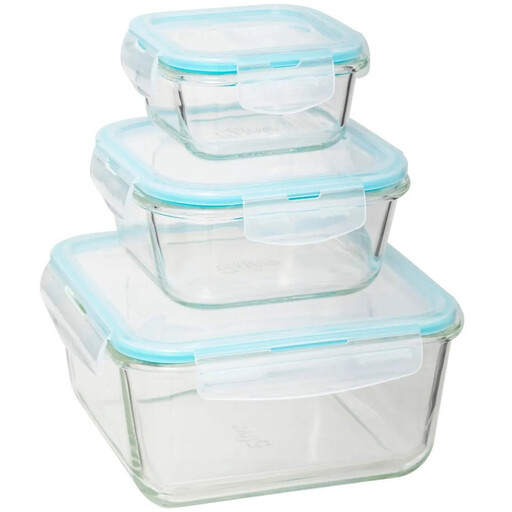
Why This Fits Their Persona: For those who prep meals and store leftovers, versatility is crucial. This set is designed for use throughout the entire kitchen: from freezer to oven, and from fridge to microwave.
Made from borosilicate glass, which makes the containers resistant to thermal shock. The polypropylene lids with a silicone seal and clips ensure a reliable, leak-proof closure.
Extremely versatile: the containers are oven, microwave, freezer, and dishwasher-safe. The set of three offers different sizes for various meals and ingredients.
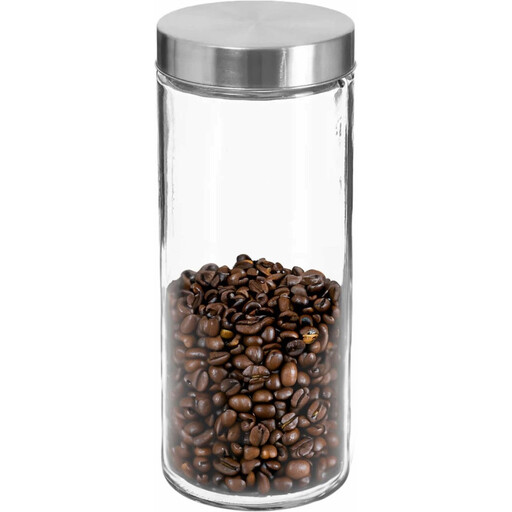
Why This Fits Their Persona: Ideal for storing bulk items like flour, sugar, rice, or large quantities of pasta. This jar is purely functional, focusing on maximum storage and freshness.
The stainless steel screw-top lid with a polypropylene interior provides a highly reliable, airtight seal, keeping the contents fresh for longer. No worries about loose-fitting lids.
Large 2-litre capacity. The jar is dishwasher-safe for easy maintenance (hand-washing the lid is recommended). The sleek design fits well in a modern kitchen.
We have compiled a complete, up-to-date list of products that meet these strict selection criteria and local regulations.
A wooden lid can be airtight, provided it has a good, flexible silicone ring that completely seals the rim of the glass jar with lid. Check that the ring is thick enough and fits snugly into the lid. A loose or thin ring will let air through.
As a rule of thumb, you'll need a jar of about 1.5 to 2 litres for 1 kg of flour or sugar. For 500 grams of pasta (like penne or fusilli), a 1.2 to 1.5-litre jar is usually sufficient. For spaghetti, you'll need a tall, narrow jar at least 28 cm high. Measure the internal space of your cupboards before buying a storage jar set.
Not always. Jars made of borosilicate glass are generally dishwasher-safe due to their heat resistance. Standard glass jars can crack. Always read the manufacturer's product information. Lid materials like wood, bamboo, or stainless steel with certain coatings should almost always be washed by hand to prevent damage.
