
Vandaag of morgen in huis

Kwaliteit gegarandeerd

Welkomstaanbiedingen ontgrendelen: GRATIS bezorging | Tot 80% korting | Gratis 30 dagen JoyPlus-proefperiode
Download de app
A glass oven dish with a lid may seem like a straightforward purchase, but small differences can determine how practical it is in everyday use. Will it fit in your oven? Can the lid go in the microwave? Is the capacity large enough for a family meal, or is it better suited to a single portion? And is the dish genuinely dishwasher-safe, or does that only apply to the glass?
For home bakers, keen cooks and families, these are the three main pitfalls to watch out for:
A borosilicate glass oven dish is designed to cope with changes in temperature. This makes it a useful material for baking, reheating and storing food. It does not mean that the glass is unbreakable. Avoid hard knocks and never place a hot dish directly on a cold or wet surface.
Check the product information for:
For example, the 5five Keepeat Oval Glass Dish with Lid states that it is made from borosilicate glass and has a maximum oven temperature of 400 °C. According to the description, the plastic lid is not suitable for use in the oven, microwave or dishwasher. This distinction is important with any product that comes with a lid.
A dish with a capacity of around 1 to 1.6 litres is often suitable for a side dish, small oven-baked meal or dessert. For leftovers from a family meal, 2 litres or more is more practical. Don’t just look at the capacity – consider the height too. A shallow dish is suitable for cakes or quiche, while a deeper dish works better for lasagne, vegetables or a saucy oven-baked dish.
Useful guidelines:
A storage oven dish should also be easy to stack. Rectangular models generally make more efficient use of fridge shelves than round dishes.
A glass baking dish with a lid is useful when you want to bake, cool, store and later reheat the same dish. However, the dish and lid often have different usage requirements.
Check each point separately:
A glass food storage container with a lid is particularly practical for leftovers, lunch and meal prep. For transporting food, a secure lid and a size that fits in your bag are more important than a high maximum oven temperature.
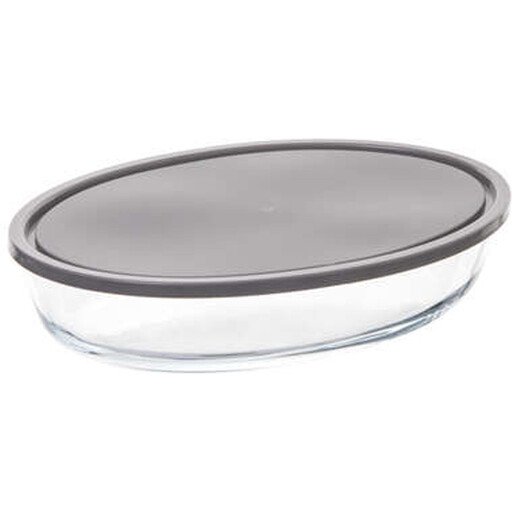
Why it suits this profile: A practical oven dish for anyone who wants to use one product for both baking and storage. With a capacity of 2.4 litres, it is suitable for a range of household serving sizes.
The description clearly states that the lid is not suitable for the oven, microwave or dishwasher. This makes it clear that the lid must be removed before heating.
Borosilicate glass, a 2.4-litre capacity and, according to the product information, suitable for the oven up to 400 °C, microwave and dishwasher.
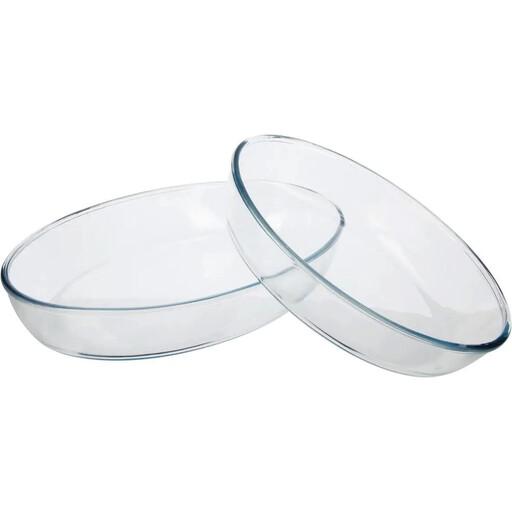
Why it suits this profile: This set offers two sizes for anyone who regularly switches between small oven-baked dishes, desserts and larger family portions.
The two sizes make it less likely that you will use a dish that is too large or too small for each portion. Please note: this set does not include lids.
Two oval sizes, suitable for the oven up to 300 °C, microwave, freezer and dishwasher according to the product description.
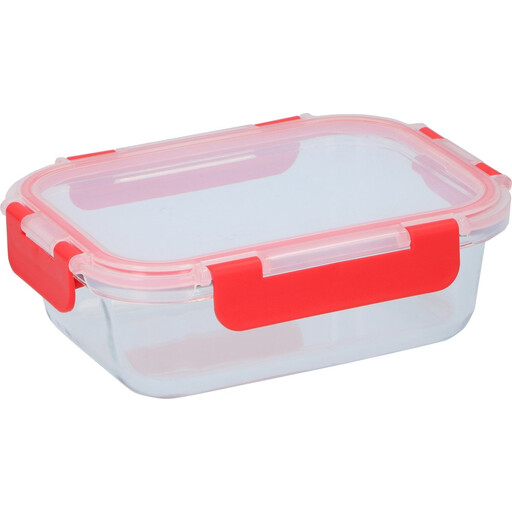
Why it suits this profile: A compact meal-prep storage container for lunch, small portions and leftovers. Its rectangular shape is practical for the fridge and your work bag.
The product information states separately that the lid must be removed before use in the oven or microwave. This helps prevent the plastic from being used incorrectly.
620 ml capacity, borosilicate glass, four locking clips, stackable design and, according to the description, suitable for the freezer, oven, microwave and dishwasher.
We have put together a complete, up-to-date list of products that fully meet these strict selection criteria and the applicable European safety regulations.
An oven- and freezer-safe dish still requires careful handling. If the product information specifies this, allow a dish taken from the freezer to come up to temperature gradually. Do not use a damaged dish, and always handle a hot dish with oven gloves.
For everyday care:
A round glass cake tin without a lid, such as a 32 cm model, may be suitable for cakes and oven-baked dishes, but it is less convenient if you want to store leftovers in an airtight container. So choose your primary use first, and only then select the shape.
Usually not. Plastic lids can warp or become damaged at high temperatures. Always check the product specifications. With several models in this selection, the lid must be removed before use in the oven or microwave.
It can be, when the manufacturer states that it is suitable for the specific product. Borosilicate glass is designed to withstand temperature differences better than many standard types of glass, but it is not shatterproof. Avoid thermal shock and follow the usage instructions.
For one or two portions, around 600 ml to 1.1 litres is often sufficient. For a meal for several people, a dish of approximately 2 to 2.5 litres is more practical. Also check the external dimensions to make sure the dish fits in your oven, fridge and kitchen cupboard.
