
Vandaag of morgen in huis

Kwaliteit gegarandeerd

Welkomstaanbiedingen ontgrendelen: GRATIS bezorging | Tot 80% korting | Gratis 30 dagen JoyPlus-proefperiode
Download de app
A great casserole starts with the right dish. Whether you're making a creamy lasagne, a savoury vegetable bake, or a sweet crumble, a reliable glass oven dish is an essential in any kitchen. But with so many options available, making a choice can be overwhelming. Which material is truly practical? Do you need a lid? And what size best fits your cooking style?
As a Joybuy Product Recommendation Officer, I'm here to guide you. In this article, I'll provide practical tips to help you find a glass oven dish that meets your needs, without the marketing jargon. We'll focus on the specifications that truly matter.
Before we dive into specific products, here are a few key points to consider that will help you make your choice.
Not all glass is created equal. Many modern glass oven dishes are made from borosilicate glass. This type of glass is renowned for its superior resistance to thermal shock compared to regular glass. This means it can handle significant temperature changes, such as going from the refrigerator to a preheated oven (though moving it directly from the freezer to a hot oven is generally not recommended). Furthermore, it's a non-porous material, which means it won't absorb odours, flavours, or stains. So, yesterday's lasagne won't affect the taste of tomorrow's apple pie.
Think about what you'll be using the dish for most often. A large, rectangular lasagne dish is ideal for family meals, while a smaller, square dish is perfect for side dishes or meals for one or two people. An oven dish with a lid offers added convenience. You can prepare a dish, cover it, and store it in the fridge, or easily put away leftovers without the hassle of plastic wrap.
A good glass baking dish is a workhorse in the kitchen. Pay attention to the specifications: is the dish suitable for the oven, microwave, freezer, and dishwasher? This versatility makes your life much easier. You can bake, reheat, and freeze in it, and cleanup is a breeze.
Based on functionality and material specifications, we've highlighted a few interesting options for you.
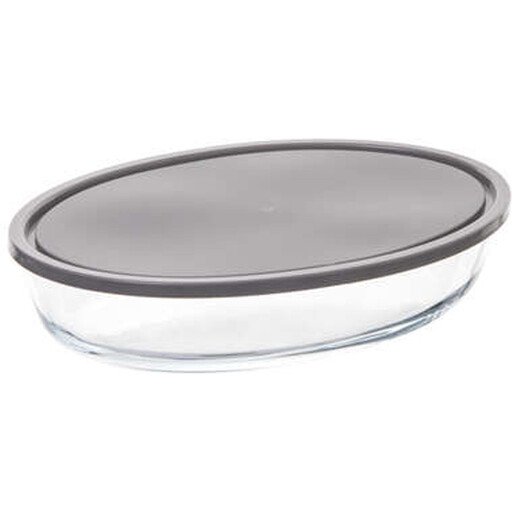
Why it stands out: This oval dish from 5five combines a generous size with the convenience of a lid. The dish itself is made of strong borosilicate glass and, according to the manufacturer, can withstand temperatures up to 400°C. The oval shape is not only elegant but also practical for items like a whole chicken or a large fish.
Pros:
Best for: The home cook who enjoys making larger portions and wants a practical solution for preparing and storing dishes in one container.
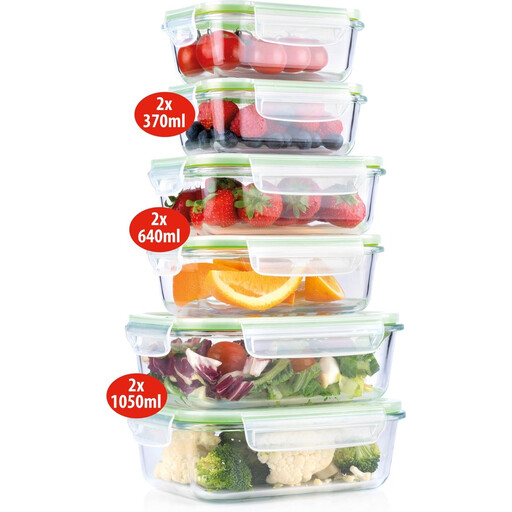
Why it stands out: This is more than just a single oven dish; it's a complete oven dish set for those who love meal prepping or simply want an organised kitchen. The set includes six borosilicate glass containers in three different sizes, each with an airtight and leak-proof lid.
Pros:
Best for: Ideal for meal preppers, students, or anyone looking for a versatile and complete set for cooking, storing, freezing, and transporting food.

Why it stands out: This oven dish set from Alpina focuses on the essentials: baking. You get three rectangular dishes in different, practical sizes. Made from borosilicate glass, they are designed for a wide range of oven preparations. According to the manufacturer, they are resistant to temperatures up to 300°C.
Pros:
Best for: The home cook or baker looking for a reliable, no-nonsense set of glass baking dishes for everyday use, from a small casserole to a large family lasagne.
Every kitchen is different, and you might be looking for a very specific size or a different feature. Are you looking for more solutions for storing ingredients or meals?
? Explore more glass storage containers
1. Is borosilicate glass really better than regular glass? For oven dishes, borosilicate glass is generally the superior choice. Its key feature is a lower coefficient of thermal expansion, making it more resistant to rapid temperature changes (thermal shock). This reduces the risk of it cracking when you place a cold dish in a hot oven.
2. Can a glass oven dish go directly from the freezer to the oven? Although borosilicate glass handles temperature changes well, it is not recommended to put a frozen dish directly into a hot oven. The extreme thermal shock can cause even this strong glass to crack. It is safer to let the dish come to room temperature first or to thaw it in the refrigerator.
3. How do I clean a glass oven dish with baked-on food? The advantage of glass is that it's non-porous, which makes cleaning relatively simple. For stubborn, baked-on residue, it's best to soak the dish in warm water with a drop of dish soap. For extra power, you can apply a paste of baking soda and water to the stains, let it sit for a while, and then wipe it away with a soft sponge or cloth.
