
Livraison le jour même et le lendemain

Qualité garantie

Débloquez vos offres de bienvenue: Livraison GRATUITE | Jusqu'à -80 % | 30 jours d'essai gratuits à JoyPlus
Téléchargez l'application
Glass noodles are handy for stir-fries, hotpot, soups, salads and spring rolls. But many packets look more alike than their contents turn out to be in the pan. Some vermicelli softens quickly, while other varieties stay firm. The term “gluten-free” also deserves a closer look: not every transparent noodle is made from mung beans or sweet potatoes.
Use this buying guide to compare Longkou vermicelli, mung bean vermicelli, rice vermicelli and Korean glass noodles by ingredients, packaging, preparation and use.
Glass noodles can be made from different types of starch. Many Longkou vermicelli varieties are made from mung bean starch, but some contain pea, corn or wheat starch. Korean sweet potato noodles are usually made with sweet potato starch and often have a firmer, more elastic bite.
So, preparation and texture depend mainly on the ingredients, not just how the noodles look.
A product made from mung beans or sweet potatoes may naturally be gluten-free. Even so, always check the current packaging. According to the product information, some varieties may contain traces of soya or gluten. For example, Jing Xian Fang Glass Noodles are made from 97% wheat starch and 3% pea starch, so they contain wheat.
If you have coeliac disease or an allergy, always follow the allergen information on the packaging.
A 750 g or 1 kg bag is practical for large families, meal prep, catering or regular cooking. If you only use noodles occasionally, however, an opened pack may absorb moisture or sit in your cupboard for too long. A 200–340 g pack may be more convenient.
Also consider the shape: thin vermicelli works well in soups and salads, while wide sweet potato noodles are ideal for japchae and hearty stir-fries.
Start by checking the ingredients:
A short ingredients list makes it easier to compare products. For example, Sunlee Mung Bean Vermicelli 100% lists mung bean starch and water. Sunlee Long Kou Vermicelli 250 g contains mung bean, pea and corn starch.
Check whether wheat, soya or other allergens are listed. Nutritional values vary by recipe, but many dried starch noodles are mainly made up of carbohydrates. Sunlee Longkou Vermicelli 1000 g lists 350 kcal, 86 g of carbohydrates and 0 g of fat per 100 g. This doesn’t tell you the nutritional value of a whole meal: sauce, oil, meat, tofu and vegetables account for a large part of it.
Product information can change, so if you have an allergy, always check the packaging as your final precaution.
Preparation instructions vary by brand and thickness. Many varieties need to be soaked first and then boiled briefly. Other products can be added straight to soup or a hot pan.
Practical tips:
Cooking thin vermicelli for too long makes it mushy. If you don’t soak it for long enough, it will have a hard centre.
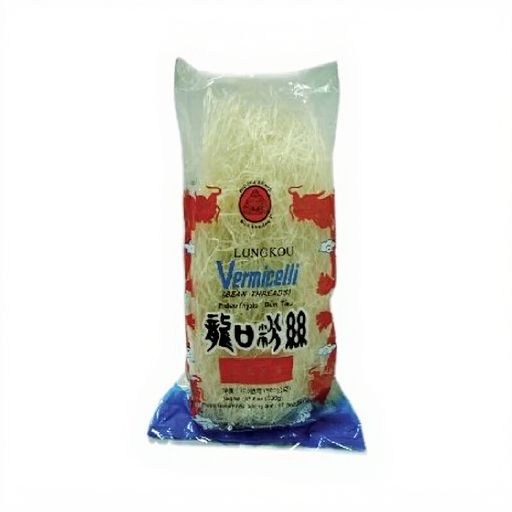
Why it suits this shopper: A manageable pack for anyone keen to try different Asian dishes without buying a large quantity straight away.
The ingredients are clearly listed: mung bean, pea and corn starch. The 250 g pack also makes it less likely you’ll end up with more than you need.
250 g; suitable for noodles, desserts and thickening soups and sauces; according to the product information, free from the 14 main EU allergens.
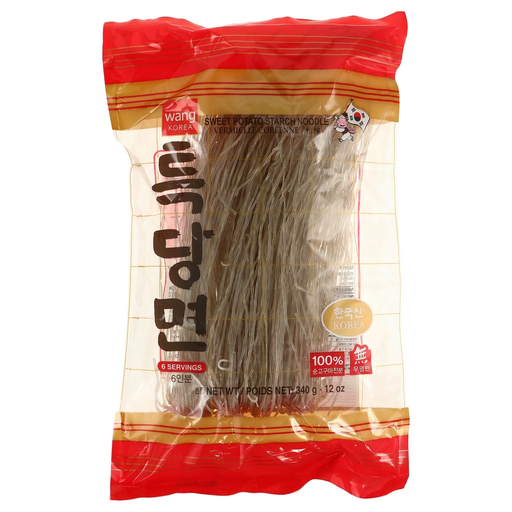
Why it suits this shopper: A good choice if you’re looking for a distinctly firm Korean texture for japchae, stir-fries, soups or hotpot.
The ingredients are listed as 99.9% sweet potato starch and water. That makes it easy to tell how it differs from mung bean vermicelli before you buy.
340 g; 99.9% sweet potato starch; according to the product information, free from the 14 main EU allergens.
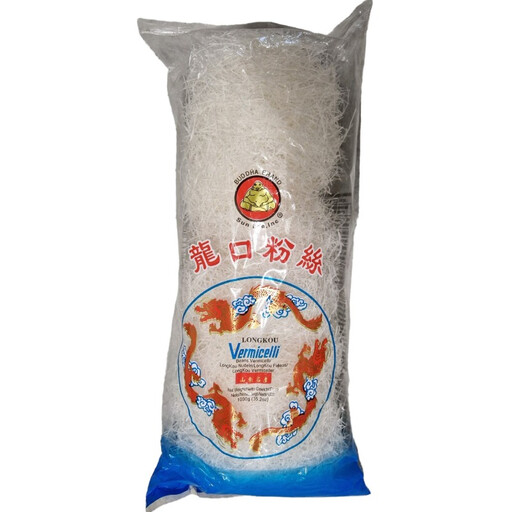
Why it suits this shopper: A generous supply for families, regular home cooks, meal prep and professional use.
It’s clearly a large pack. The ingredients are mung bean starch and water, but note that the product may contain traces of soya and gluten.
1000 g; suitable for hotpot, stir-fries, soups, salads and spring rolls; nutritional information lists 0 g of fat per 100 g.
We’ve put together a full, up-to-date list of products that meet these strict selection criteria and current European safety regulations.
It depends on the ingredients. According to the product information, varieties made with mung bean, pea or sweet potato starch may be gluten-free. Noodles containing wheat starch, such as Jing Xian Fang Glass Noodles, aren’t. Always check the allergen information and any warnings about possible traces on the packaging too.
Soak them first, following the instructions. Then boil them briefly and rinse with cold water if needed. If you’re adding the noodles to a stir-fry later, toss them with the sauce and other ingredients just before serving. A little oil can help if you need to set soaked noodles aside for a while.
Korean sweet potato noodles are usually used for japchae. They have a firm, elastic texture and absorb sauce well. Check the cooking time, as wide or thick noodles often take longer than thin Longkou vermicelli.
