
Vandaag of morgen in huis

Kwaliteit gegarandeerd

Welkomstaanbiedingen ontgrendelen: GRATIS bezorging | Tot 80% korting | Gratis 30 dagen JoyPlus-proefperiode
Download de app
Glass noodles are handy for hotpot, stir-fries, soups, salads and spring rolls. Yet many packets look more alike than they turn out to be in the pan. One glass noodle stays firm in broth, while another quickly goes soft. What’s more, mung bean vermicelli, rice vermicelli and rice noodles are often sold as if they were the same product. That can lead to a disappointing purchase, especially when you’re shopping online and only look at the picture or the price.
“Vermicelli” is a broad term. Mung bean vermicelli, Longkou vermicelli and Chinese vermicelli are usually transparent after cooking and have a springy bite. Rice vermicelli and rice noodles are rice-based and tend to turn whiter and softer. For a Thai salad or fried rice noodles, that might be exactly what you want, but for hotpot you often need a noodle that holds its shape for longer.
So check the ingredients rather than just the product name. Does the label list mung bean starch, potato starch, tapioca starch or pea starch? That will give you a better idea of the texture to expect.
Many glass noodles are made from starch and, according to the product information, contain none of the 14 major EU allergens. This applies, for example, to several Sunlee and GD vermicelli products. However, always check the actual packaging. A product may differ from what you expect due to its composition, seasoning sachets or possible cross-contamination.
For instance, the Yu Mei Hot Pot Wide Bean Noodle contains soya, sesame and wheat in the sauce and seasoning mix. So the noodles are not automatically suitable for anyone who needs to avoid gluten or certain allergens.
A 500 g or 1000 g bag looks appealing for a family, a professional kitchen or a fan of Asian dishes. But once opened, dry vermicelli needs to be stored tightly sealed, in a dry place away from heat. Buy a large pack if you use the noodles regularly; for occasional hotpot or a first try, 100 g or 250 g is more practical.
Look at the first ingredients on the list. A product made with 100% mung bean starch has a different composition from a noodle containing wheat flour and mung bean flour. For example, Bai Xiang Mung Bean Vermicelli contains wheat flour and is therefore not suitable for a gluten-free diet. Xiang Nian Mung Bean Flavor Noodles also contain wheat.
For a gluten-free diet, the allergen declaration and preparation information on the packaging are what you should rely on. Product descriptions can change, so check the label when you receive it.
Glass noodles often only need to be soaked or briefly boiled. The exact method varies depending on thickness and composition. Overcooking thin vermicelli makes it limp, while under-soaking can leave a hard core.
Use this practical guide:
For one or two meals, 100 g to 250 g is easy to manage. A 500 g pack is better suited to a household that regularly makes stir-fries, hotpot or salads. For larger families, meal prep or professional use, 1000 g can be more efficient, as long as you store the noodles airtight.
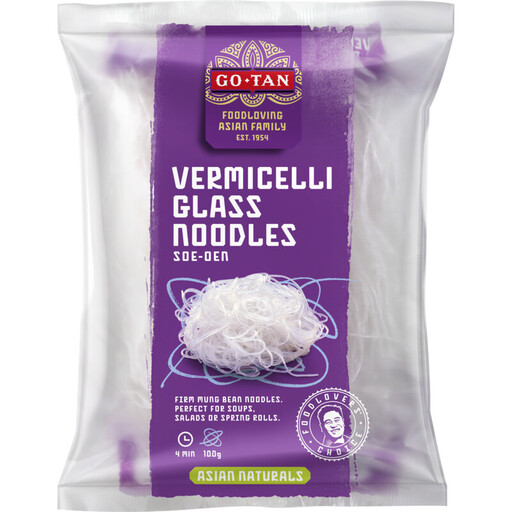
Why it fits this profile: The 100 g pack is ideal for trying glass noodles for the first time in soup, salad, stir-fries or spring rolls.
You don’t have to buy a large stock before you know the texture and preparation. The ingredients list 85% mung bean starch and water.
Small pack; according to the product information, suitable for soup, salads, stir-fry dishes and spring rolls.
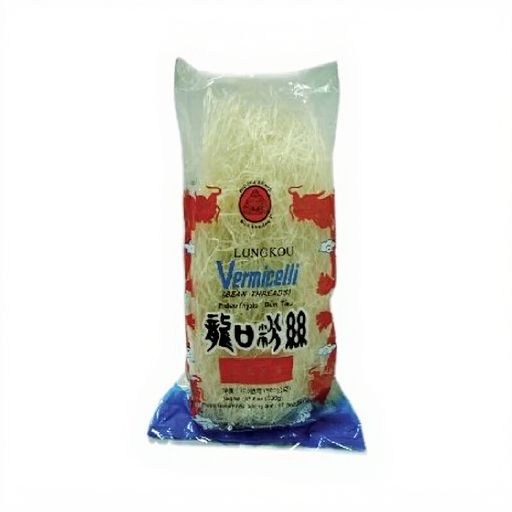
Why it fits this profile: The blend of mung bean, pea and corn starch appeals to those who pay attention to ingredients and want a versatile store-cupboard noodle.
The product information mentions no artificial additives or preservatives. Check the actual packaging for the final composition.
According to the product description, suitable for noodles, desserts and thickening soups and sauces; states it contains none of the 14 major EU allergens.
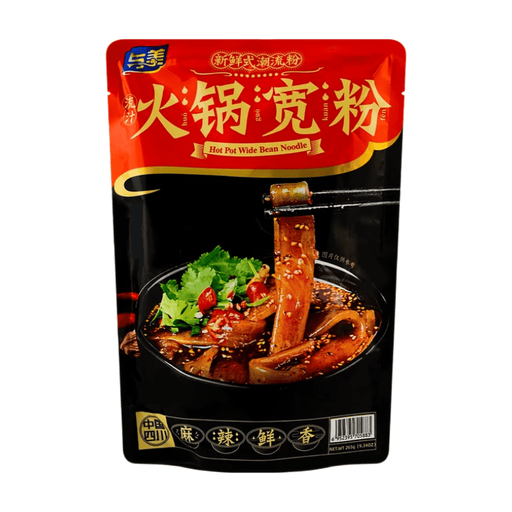
Why it fits this profile: The wide noodle is specifically designed for hotpot and comes with chilli sauce and seasoning powder for a complete preparation.
The intended use is clearly described and, according to the product information, preparation takes 3–5 minutes. Do note the wheat, soya and sesame in the flavour components.
Wide, soft and springy texture; 265 g including sauce and seasoning powder.
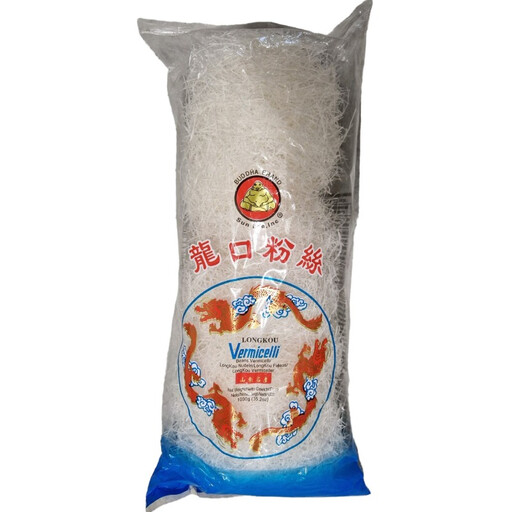
Why it fits this profile: The 1000 g bag is intended for households that cook often, host larger dinners or want to keep a stock for stir-fries and hotpot.
The quantity is tailored to frequent use, so you need to buy fewer small packs. Store the opened pack tightly sealed.
Mung bean starch and water listed as ingredients; according to the product description, suitable for hotpot, stir-fry dishes, soups, salads and spring rolls.
We’ve put together a full, up-to-date list of products that fully meet these strict selection criteria and comply with current European safety regulations.
Follow the instructions on the pack. Don’t soak or boil the noodles for longer than necessary, and if you like, rinse them briefly with cold water after cooking. For stir-fries, you can cook them for a little less time, as they will continue to cook in the pan.
No. Glass noodles are usually made from mung bean or other starch and become transparent. Rice noodles are typically rice vermicelli and stay lighter in colour. Choose rice noodles for dishes where you want a rice flavour and a fine, soft texture; choose glass noodles when you’re after a smoother, springier bite.
Unopened dry vermicelli can be stored until the date on the pack, provided it’s kept in a dry, cool place. Once opened, an airtight storage container is a good idea. Before use, check for moisture, any unusual smell or damaged packaging.
