
Vandaag of morgen in huis

Kwaliteit gegarandeerd

Welkomstaanbiedingen ontgrendelen: GRATIS bezorging | Tot 80% korting | Gratis 30 dagen JoyPlus-proefperiode
Download de app
Glass kitchen accessories suit many kitchens: they are transparent, take up little visual space and let you see straight away what is inside. However, attractive looks say little about everyday use. A glass oil bottle may be awkward to pour from, a measuring jug may have hard-to-read markings, and a drinks dispenser may be too large for the fridge or worktop.
As a Joybuy Product Recommendation Officer, I therefore start by checking verifiable details: materials, capacity, dimensions, care requirements and how the accessory is designed to be used. This helps you avoid paying mainly for the design.
Transparent glass has a clean, understated look, but the product also needs to be practical. Check that the opening is wide enough for easy refilling and cleaning. With an oil dispenser, a well-fitting lid, a stable shape and a suitable spout are more important than the colour or pattern alone.
Also consider the combination of materials. For example, a glass soap dispenser may have a plastic pump. That is not necessarily a problem, but it is relevant to maintenance and the experience you can expect when using it.
An 8-litre glass drinks dispenser holds a lot of liquid, but it also takes up space. As well as the capacity, check the height, diameter and whether it comes with a stand. A model with a stand, for example, may be 46.5 cm tall. Measure the available space on your worktop or table beforehand.
An oversized measuring jug can also be inconvenient for everyday cooking. A 350 or 500 ml glass measuring jug is suitable for smaller quantities, while a 1000 ml model is better for soups, batters or larger portions.
Glass is non-porous and can be easy to clean, but it is still breakable. Check whether the components are dishwasher-safe and which parts need to be washed by hand. With glass, avoid sudden temperature changes, such as placing hot glass directly under cold water.
For glass salt and pepper shakers, remember to use them for dry herbs and spices, not hot liquids or corrosive substances. Keep broken glass out of children’s reach immediately.
Not every glass accessory is made from the same type of glass. A standard glass bottle or shaker is mainly suitable for storage and serving under normal conditions. According to the manufacturer’s product description, borosilicate glass is known for its greater resistance to temperature changes. A BJ borosilicate glass measuring jug, for example, is described as suitable for hot liquids and microwave use. Always check the label and instructions for the specific product.
Accessories may also contain components made from silicone, plastic, wood or metal. With a cocktail shaker set, for example, the lid, strainer and measuring cup affect both cleaning and use. So do not focus solely on the word ‘glass’ in the title.
Choose the capacity to suit your routine:
Clear measurement markings save on extra washing-up and make recipes easier to follow. Check that the scale is readable from your usual viewing angle.
A product that is difficult to clean is likely to be used less often in practice. Look for wide openings, removable components and the recommended cleaning method. Some glass accessories are dishwasher-safe, while others need to be washed by hand.
Also check the stability. A champagne glass with a sturdy stem and base will sit differently on the table from a narrow glass without a wide base. Stackability is valuable for mixing bowls, particularly in kitchens with limited cupboard space.
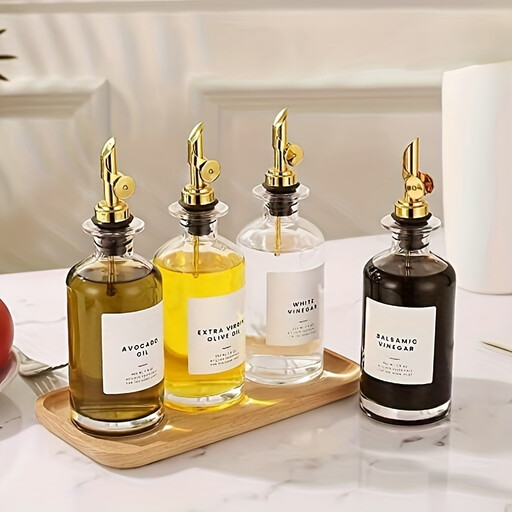
Why it suits this profile: A set of two glass oil bottles is practical if you want to keep, for example, olive oil and a second oil or dressing separate.
The set size is clear from the outset. However, check the exact capacity and pouring mechanism on the product page before ordering.
Two bottles in one purchase and a transparent glass design, according to the product name.
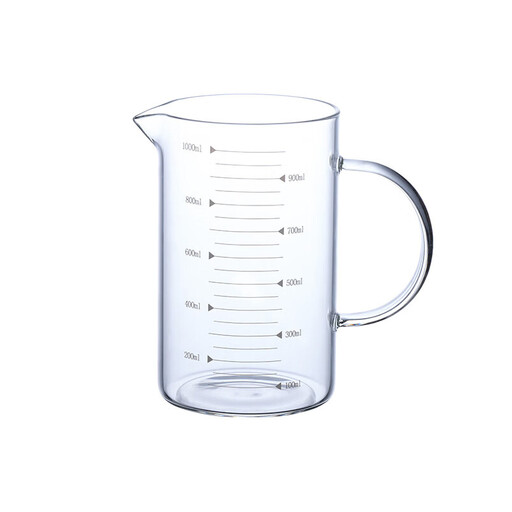
Why it suits this profile: Home bakers and keen cooks measuring larger quantities benefit from the 1000 ml capacity and clear volume markings.
The capacity and material are clearly specified. Wash the measuring jug according to the label and avoid extreme temperature changes.
1000 ml capacity, borosilicate glass and visible measurement markings, according to the product description.
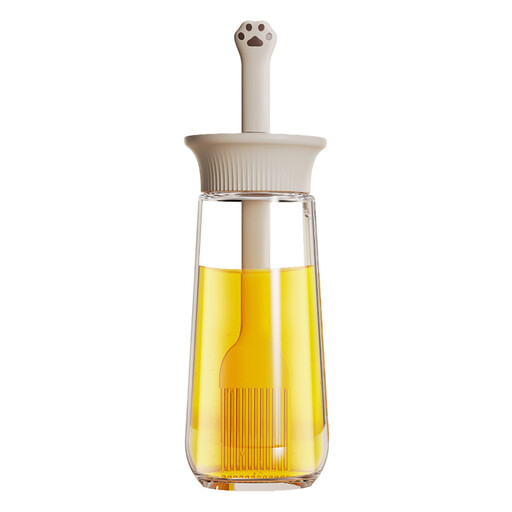
Why it suits this profile: This model combines a glass bottle with an integrated silicone brush and is designed for portioning and brushing while cooking.
The components are removable, according to the product description. This helps with cleaning, but check before buying that the design suits your cooking routine.
280 ml capacity, glass bottle, silicone brush and removable components, according to the product specifications.
As well as a glass oil bottle, there are accessories for specific occasions:
We have put together a complete, up-to-date list of products that fully meet these strict selection criteria and the applicable European safety regulations.
This varies by product and component. Some champagne glasses and drinks dispensers are listed as dishwasher-safe. Other products, such as a glass salt and pepper pot with a bamboo stand, are specifically recommended for hand washing. Always check the product page and the instructions supplied.
For small quantities, 350 or 500 ml is usually sufficient. For batter, soups and larger drinks, 1000 ml is more convenient. Choose a model with measurement markings suited to your recipes and enough room above the liquid level.
Handle glass carefully, place it on a stable surface and avoid hard knocks. Do not move a glass measuring jug directly from hot to ice-cold conditions. Check accessories for cracks after they have been dropped, and do not reuse damaged glass for food or drinks.
