
Vandaag of morgen in huis

Kwaliteit gegarandeerd

Welkomstaanbiedingen ontgrendelen: GRATIS bezorging | Tot 80% korting | Gratis 30 dagen JoyPlus-proefperiode
Download de app
Glass kitchen accessories suit a wide range of kitchens, from glass storage containers for leftovers to a glass carafe for serving water at the table. But a transparent design doesn’t automatically mean an item is easy to use or built to last. The wrong choice could mean leaky lids, broken glass after a sudden change in temperature, or accessories that are difficult to clean.
A stylish glass carafe or teapot can look lovely on the table, but check the dimensions, weight and cleaning instructions too. A narrow opening may look elegant, but it can make cleaning with a sponge more difficult. If you’re choosing a carafe, check that it fits in your fridge door.
The label dishwasher-safe kitchenware doesn’t mean every part can be cleaned in the same way. Lids, silicone seals, wooden handles and plastic clips may have different care instructions from the glass. Some products are recommended for hand-washing to help decorative or natural parts stay in good condition for longer.
Glass can break if it goes suddenly from cold to hot, or vice versa. So check not only the capacity, but also whether the product is suitable for use in the microwave, freezer or oven, or with hot drinks. For example, only use a glass storage container in the microwave as instructed, and remove or open the lid when advised.
When choosing glass food storage, borosilicate glass is a useful specification to look for. It’s used in several 5five storage containers, including the 0.7- and 1.18-litre rectangular containers. Always check the full instructions for use: a suitable material doesn’t automatically mean the product is oven-safe.
These features are useful for everyday use:
Choose a capacity that suits your routine. A 0.7- to 0.8-litre container is a good size for lunch, fruit or a small portion. For meal prep, glass storage containers of around 1 to 1.2 litres are more practical. Also check the external dimensions: a generous capacity doesn’t always mean a container will fit neatly in a fridge drawer or kitchen cupboard.
For drinks, these guidelines may help:
A glass carafe with a lid helps keep out dust and pieces of fruit, but check that the spout pours without dripping. The 1.4-litre Alpina glass water carafe has a stainless steel lid and an integrated strainer. According to the product specifications, it fits in a fridge door. It’s dishwasher-safe, but described as neither drip-free nor heat-resistant.
For a drinks dispenser, the tap and height are just as important as the capacity. Check that there’s enough room under the tap for your glasses and that the filled dispenser stands securely. Glass is heavy, especially when it holds several litres.
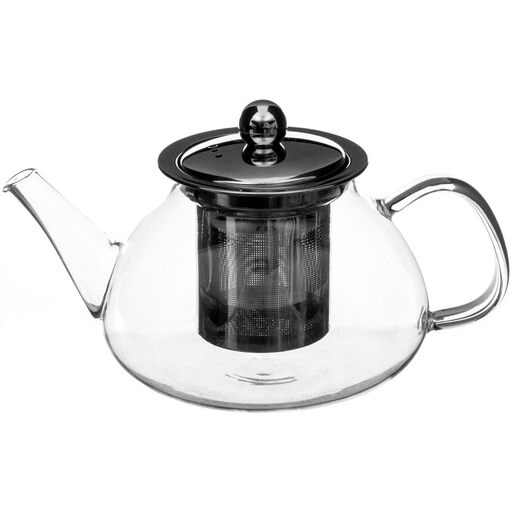
Why it suits this buyer: A straightforward glass teapot with a capacity of around 800 ml, suitable for loose-leaf tea or tea bags and requiring no complicated set-up. According to the product information, it holds around two to three cups.
The product information lists an included tea filter and recommends hand-washing. So you’ll know in advance that this isn’t the right accessory if you want to put everything in the dishwasher.
Glass body, a capacity of around 0.8 litres and a built-in filter for loose-leaf tea or tea bags.
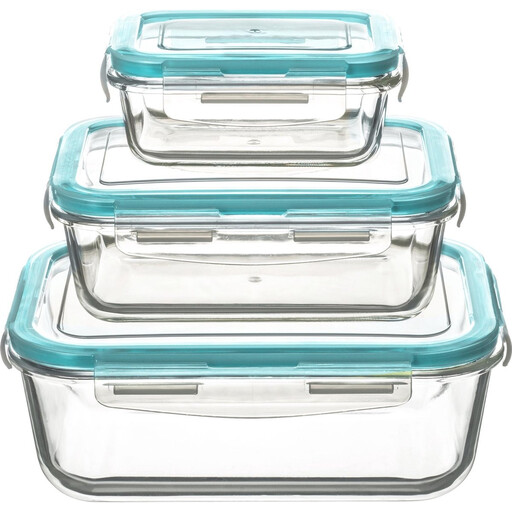
Why it suits this buyer: This set of three rectangular borosilicate glass storage containers is ideal for households that plan meals in advance and want to store different portions neatly.
The set is explicitly listed as suitable for the dishwasher, microwave and freezer. When using it in the microwave, remove the lid and clips or leave them open.
Three containers, borosilicate glass, silicone seals and a stated total capacity of 1.73 litres.
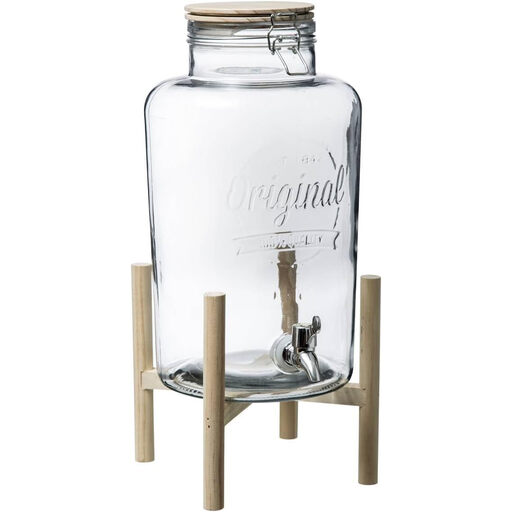
Why it suits this buyer: Ideal for dinner parties, birthdays and barbecues where guests can help themselves. The dispenser has a stand and tap, and holds 8 litres.
The product information recommends hand-washing and limits hot drinks to a maximum of 60 degrees. This makes the product’s limits clear from the outset.
Large capacity, wooden stand, plastic tap and an airtight lid according to the product description.
We’ve put together a complete, up-to-date list of products that meet these strict selection criteria and current European safety regulations.
It depends on the product. Check that both the glass and the lid are suitable. With many models, you’ll need to remove the lid or leave it open. Also avoid sudden changes in temperature, and don’t put an ice-cold storage container straight into a very hot environment.
Always start by following the manufacturer’s care instructions. A wide opening makes hand-washing easier. Use a soft sponge and avoid abrasive cleaners, especially with glass carafes that have a metal lid or products with decorative parts. Also check whether the filter can be removed.
Using them generally requires no extra energy if you’re only using them for storage or serving. However, glass products are heavier and more fragile than plastic alternatives. Choose a size you’ll use often, store glass securely in the cupboard and check the seals and edges regularly for damage.
