
Vandaag of morgen in huis

Kwaliteit gegarandeerd
Download de app
Categorieën

Choosing the right food storage containers seems simple—until you find your plastic ones warping in the dishwasher, staining from tomato sauce, or retaining unpleasant odours. Glass food storage containers solve these problems. They are more durable, hygienic, and versatile. But which type of glass is best? And what should you look for in a lid and size? This guide will help you make an informed choice based on product features.
Before you make a decision, it's helpful to understand the key features of glass food storage containers. These criteria will help you find the products that best suit your needs.
Not all glass is created equal. For containers that need to go from the freezer to the oven, borosilicate glass is the recommended material. Unlike regular glass, this material expands less when heated and contracts less when cooled. This makes it resistant to thermal shock, significantly reducing the risk of cracking when moving from the fridge to the microwave. This is a crucial feature for oven-safe food containers.
A good food container is only as good as its lid. An airtight seal is essential for keeping food fresh longer and preventing leaks, which is especially important for a glass lunch box you take on the go. Pay attention to the following components:
A key reason to choose glass is to avoid chemicals found in some plastics. Always opt for containers explicitly labelled as BPA-free. This ensures that no Bisphenol A comes into contact with your food. Additionally, check that both the glass container and the lid are dishwasher-safe for easy maintenance. Note: for microwave use, the lid often needs to be removed or placed loosely on top.
Consider what you will primarily use the containers for.
Based on the criteria above, we have selected products that stand out for their specifications and functionality.
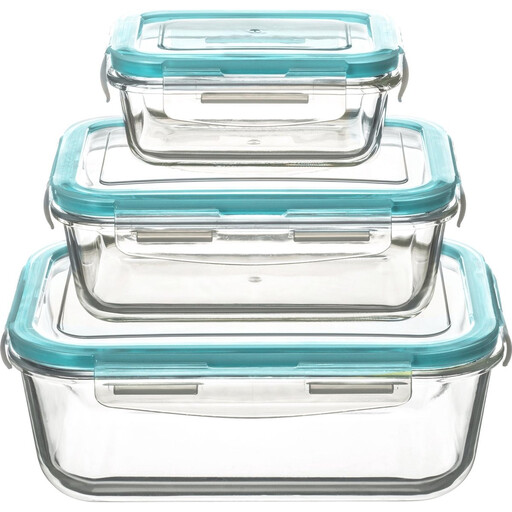
Why this product: This set from 5five offers a practical starting point for anyone looking to switch to glass. The set includes three different sizes, making it versatile for storing leftovers and packing lunches.
Advantages:
Who is this for: Ideal for small households or if you're looking for a starter set to experience the benefits of glass food containers. Suitable for storing various portion sizes.
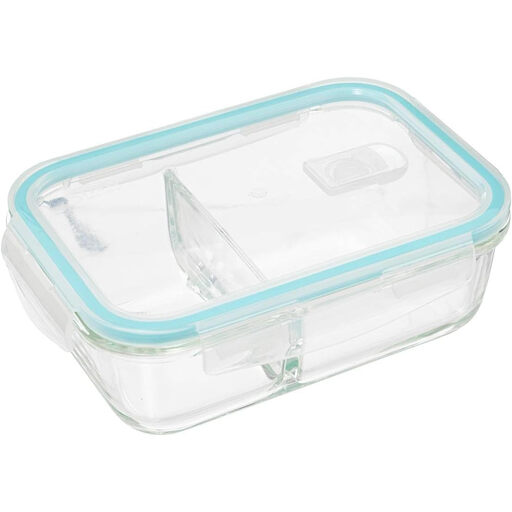
Why this product: This container is specifically designed for meal prep. The built-in compartment keeps different parts of your meal separate, such as a salad and its dressing, or a main course and a side dish.
Advantages:
Who is this for: Perfect for those who take lunch to work or school daily and want to keep their meal components fresh and separate until it's time to eat. A quintessential glass meal prep container.
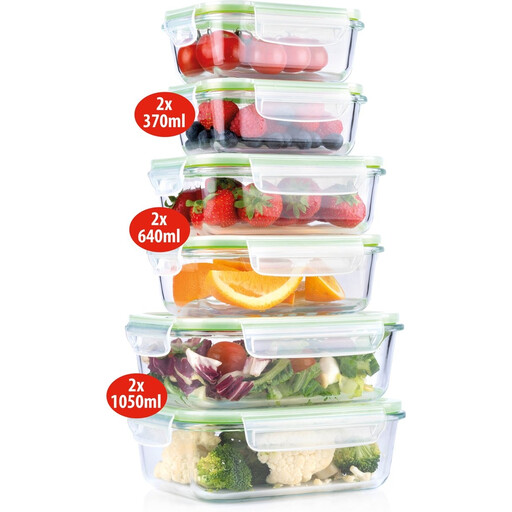
Why this product: This comprehensive 12-piece set (6 containers and 6 lids) from Alpina is an all-in-one food storage solution. The set includes three convenient sizes (370 ml, 640 ml, and 1050 ml), ensuring you have the right container for any situation.
Advantages:
Who is this for: This glass food container set is an excellent choice for families or serious meal preppers who want to purchase a complete and uniform set in one go.
A well-organised kitchen doesn't stop at storing meals. Proper storage is also essential for keeping dry ingredients like spices fresh. To complete your kitchen organisation, consider investing in a uniform set of Spice Jars. This will create a neat and organised spice rack.
1. Can glass food storage containers go in the oven? Yes, provided they are made of borosilicate glass. This type of glass is resistant to high temperatures. Always remove the plastic lid before placing the container in the oven. Always check the manufacturer's specifications.
2. What is the advantage of glass over plastic? Glass is non-porous, meaning it does not absorb odours, flavours, or colours from food. It is more hygienic, often dishwasher-safe without warping, and free of chemicals like BPA. Additionally, glass has a longer lifespan.
3. How do I prevent a glass container from breaking due to temperature changes? Although borosilicate glass is resistant to thermal shock, it is wise to avoid extreme and sudden temperature changes. For example, let a hot container from the oven cool down before placing it in cold water. Placing a container directly from the freezer into a hot oven is also not recommended.
Recommendations by: Joybuy Product Recommendation Officer