
Vandaag of morgen in huis

Kwaliteit gegarandeerd

Welkomstaanbiedingen ontgrendelen: GRATIS bezorging | Tot 80% korting | Gratis 30 dagen JoyPlus-proefperiode
Download de app
An organized kitchen and less food waste: switching to glass food containers is a smart move. They don't absorb odours or stains, are a more sustainable alternative to plastic, and often have a sleek, modern look. But not all glass containers are created equal. Some lids start leaking after just a few uses, while other types of glass can crack from a minor temperature change. Before you invest, it's important to know what to look for.
As a Joybuy Product Recommendation Officer, I'll help you see past the marketing claims. We'll focus on the specifications that truly matter, so you can make a choice you'll be happy with for years to come.
The market offers an abundance of choices, but many products come with hidden drawbacks. These are the three most common problems:
glass storage jar with a wooden lid looks beautiful on the countertop, but the wood can warp, crack, or grow mould when it gets damp. The lid is often not dishwasher-safe, which makes maintenance more difficult.To avoid the problems mentioned above, there are a few technical details you should check.
Not all glass is the same. The most durable and versatile containers are made from borosilicate glass. This type of glass contains boron trioxide, which makes it far more resistant to thermal shock.
oven-safe glass dish with a lid.A borosilicate glass food container is therefore a smarter choice if you're looking for versatility for heating and freezing meals.
The lid determines how functional your container is. Pay attention to the following components:
glass lunch box or glass meal prep containers.glass storage jar with a wooden or stainless steel lid featuring a silicone ring is often sufficient. These airtight storage jars keep pests and moisture out but are generally not designed for transport.Always check the product specifications for the following symbols or instructions:
Based on these criteria, we have selected a number of products that suit different needs.
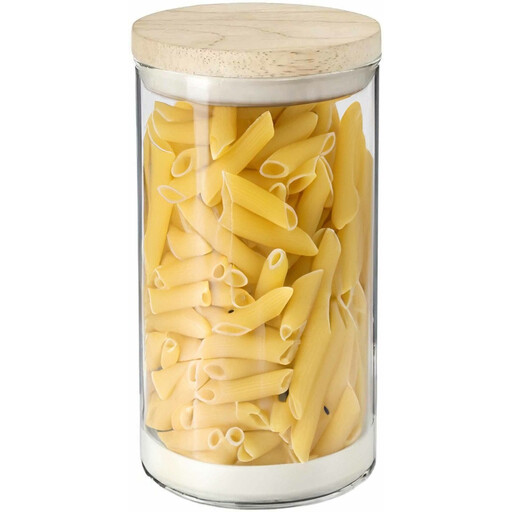
Why This Fits Their Persona: Perfect for those who want an organized and visually appealing pantry. This jar is ideal for storing dry ingredients like pasta, rice, or sugar and looks great on an open shelf.
The product information is transparent about the maintenance of the wooden lid (not dishwasher-safe). Since the jar is intended for dry goods, this drawback is less relevant in practice.
Made from borosilicate glass, which makes it durable. The silicone seal provides a good seal for dry goods.
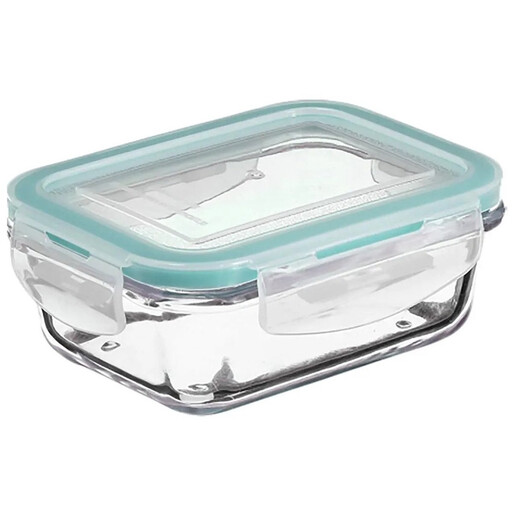
Why This Fits Their Persona: This compact and sturdy glass lunch box is ideal for taking single-serving meals to work or school. Suitable for the fridge, freezer, and microwave, it's perfect for a streamlined meal prep routine.
The sturdy clips and silicone seal address the problem of leaky lids. The specifications clearly state that the container is not oven-safe, which prevents confusion and accidents.
Made from borosilicate glass and equipped with a leak-proof lid. The container is dishwasher-, freezer-, and microwave-safe (without the lid).
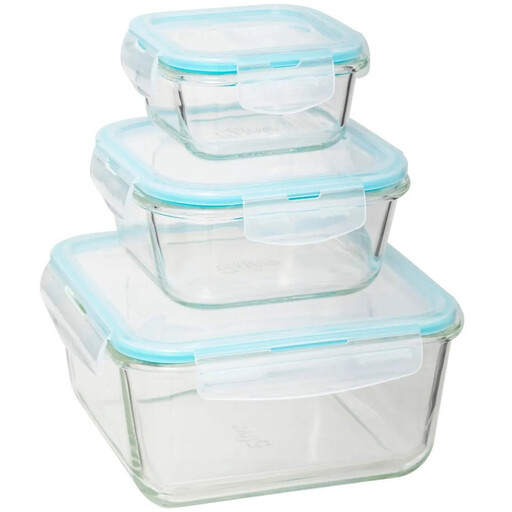
Why This Fits Their Persona: This versatile set of glass containers is perfect for storing leftovers, freezing meals, or making a casserole. The different sizes offer flexibility for any household.
This set is made from borosilicate glass and is explicitly oven-safe. This eliminates any doubt about thermal shock. The leak-proof lids are reliable for storing soups and sauces.
Maximum versatility: the containers are suitable for the oven, microwave, freezer, and dishwasher. A complete set for almost any kitchen application.
We have compiled a complete, up-to-date list of products that fully meet these strict selection criteria and safety regulations.
While borosilicate glass is highly resistant to temperature changes, it's wise to avoid extreme thermal shocks. Manufacturers often recommend letting the container sit at room temperature for a few minutes before placing it in a preheated oven. The plastic or wooden lid should never go in the oven. Always check the product's specific instructions.
The glass jar itself can usually go in the dishwasher without any issues. The wooden lid requires more care. Clean it with a damp cloth and dry it immediately. Do not submerge the lid in water or place it in the dishwasher, as the wood can warp or crack.
Glass containers are indeed heavier than their plastic counterparts. However, many people find that the benefits outweigh the extra weight. Glass doesn't absorb odours or stains from foods like tomato sauce, it's completely free of chemicals like BPA, and it feels more hygienic. For daily use, a more compact size (between 0.7L and 1.2L) often provides a good balance between capacity and weight.
