
Vandaag of morgen in huis

Kwaliteit gegarandeerd

Welkomstaanbiedingen ontgrendelen: GRATIS bezorging | Tot 80% korting | Gratis 30 dagen JoyPlus-proefperiode
Download de app
Are you tired of plastic containers? The ones that stain, retain odours, or warp in the dishwasher after just a few uses? You're not alone. More and more people are switching to glass food containers for storing leftovers, preparing meals, or packing lunch. Glass is durable, hygienic, and doesn't absorb flavours or smells.
But with so many options available, finding the right set can be challenging. That's why we at Joybuy have put together this practical guide. We'll help you focus on the key specifications so you can make an informed decision that fits your daily life.
Before we dive into the products, here are a few key points to help you choose the right storage containers with lids.
Not all glass is created equal. Many high-quality food containers are made from borosilicate glass. This type of glass is stronger than standard glass and can withstand sudden temperature changes much better. This is a crucial feature if you want to move a container directly from the freezer to the microwave. Also, pay attention to the lids. Opt for lids that are BPA-free to ensure no unwanted chemicals leach into your food.
A good airtight food container is essential for keeping your food fresh and preventing leaks. Look for lids with a silicone ring and sturdy locking clips. Also, check if the containers are microwave and freezer safe. This versatility makes them perfect as glass meal prep containers or as a glass lunch box for on-the-go. The ability to clean them in the dishwasher is a convenient bonus.
A good glass food storage container set includes various sizes for different purposes: a small container for snacks, a medium one for lunch, and a large one for dinner leftovers. Furthermore, stackable containers are a space-saving solution for a tidy fridge and kitchen cabinets.
Based on product specifications and functionality, we have highlighted some popular choices for you.
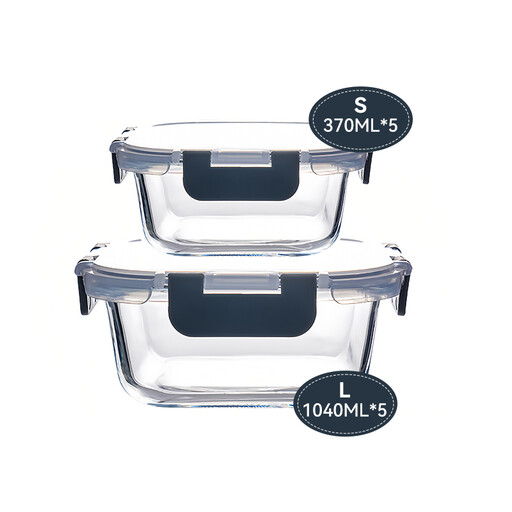
Why it stands out: This comprehensive 10-piece set from JORDAN&JUDY is made of high borosilicate glass. The set includes two highly practical sizes (five 1040 ml and five 370 ml), ideal for both large meals and smaller portions or snacks.
Advantages:
Who is it for? For anyone who wants to get serious about meal prepping or is looking for a complete, uniform set to replace all their old plastic containers. Ideal for busy professionals and families.
Glass is a popular choice, but depending on your needs, other materials can also be a great solution.
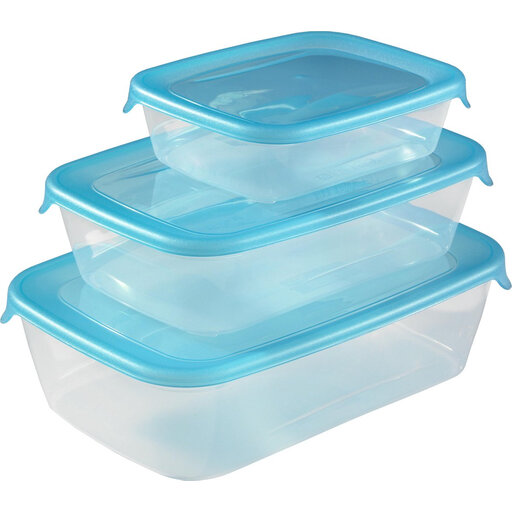
Why it stands out: Curver is a well-known brand when it comes to storage solutions. This 3-piece set is made of high-quality, BPA-free plastic. It's a lightweight and affordable option.
Advantages:
Who is it for? For those looking for a light and affordable solution for general use. Handy for taking salads, sandwiches, or for storing dry ingredients.
View the Curver Fresh & Go Set

Why it stands out: This set from PURECOOK is made of 304 stainless steel and offers a different approach to food storage. Stainless steel is unbreakable, absorbs absolutely no odours, and is extremely durable. The set includes both solid bowls and colanders.
Advantages:
Who is it for? For the serious home cook looking for robust containers for food preparation and storage in the fridge or freezer. Less suitable as a lunch box due to not being microwave-safe.
View the PURECOOK Stainless Steel Set
The products mentioned above are focused on storing meals and leftovers. Are you specifically looking for solutions for storing dry goods like pasta, rice, or cereal? Then a specialised grain storage container might be more suitable for you.
Discover more storage solutions for dry food
1. Are glass food containers really better than plastic? Glass has the advantage of not absorbing odours, flavours, or colours. It is also more durable in the long run, as it doesn't warp or wear out from frequent use in the dishwasher or microwave. Plastic, on the other hand, is lighter and generally cheaper. The choice depends on your personal preference and usage.
2. Can the lid of a glass food container go in the microwave? Usually not. Most lids, especially those with rubber seals and locking clips, are not designed for the heat of a microwave. It is recommended to remove the lid or place it loosely on the container to prevent pressure from building up. Always check the manufacturer's instructions.
3. What is the best way to clean glass food containers? The glass containers themselves are typically dishwasher-safe. For the lids, it is sometimes better to wash them by hand to extend the lifespan of the silicone seal. If stubborn food residue gets caked onto the glass container, you can let it soak for a while in warm water with a bit of dish soap.
