
Vandaag of morgen in huis

Kwaliteit gegarandeerd

Welkomstaanbiedingen ontgrendelen: GRATIS bezorging | Tot 80% korting | Gratis 30 dagen JoyPlus-proefperiode
Download de app
Glass coffee cups give coffee, tea and cold drinks a calm, modern look. You can see the colour and layers of your drink, and many designs are suitable for everyday use. However, glass cups vary considerably in capacity, insulation, material and care requirements.
If you focus only on appearance, you may run into a few practical pitfalls. Thin glass may be less suitable for large temperature changes, a small espresso cup won’t work well for a generous cappuccino, and an attractive set may not be suitable for the dishwasher or microwave. Use the points below to compare your options more effectively.
The term ‘heat-resistant’ doesn’t tell you much about everyday use on its own. Check whether the product information explains what the glass is suitable for and gives a maximum temperature. Always avoid a sudden change from ice-cold to boiling hot. Even a glass designed for hot drinks can crack due to thermal shock.
Espresso usually takes up much less space than a cappuccino, latte macchiato or large filter coffee. So look at the capacity as well as the shape:
A cup that’s too small can easily overflow when you add milk, froth or ice.
Product descriptions say that double-walled glasses keep hot drinks warm for longer and cold drinks cool for longer. The outside often feels less hot or cold, too. However, that doesn’t mean the glass is unbreakable. Check it before each use and don’t use it if it has a crack, chip or damaged rim.
Double-walled glasses consist of two layers of glass with an insulating space between them. They’re often sold as thermal glasses and are suitable for coffee, tea, espresso, cappuccino and cold drinks. Some designs use a silicone valve to regulate the air pressure between the layers.
Single-walled glasses are simpler and often more affordable. They’re a good choice if you mainly want a transparent look and plan to use the cup as soon as you’ve poured your drink.
Borosilicate glasses are described as heat-resistant in several product listings. For example, Bodum describes a number of its double-walled designs as mouth-blown borosilicate glass. For some models, the manufacturer also specifies that they can be used in the dishwasher, microwave, oven and freezer, up to a stated maximum temperature. Always check this information for the product you choose.
According to the product information, toughened glass, such as that used for certain De’Longhi models, is designed to offer extra resistance to thermal shock. Even so, it’s important to handle it with care and avoid sudden temperature changes.
These features vary by product, so check the individual specifications:
A glass mug with an infuser often has extra parts, such as a lid, rubber edge and metal filter. These usually need a little more care when cleaning.
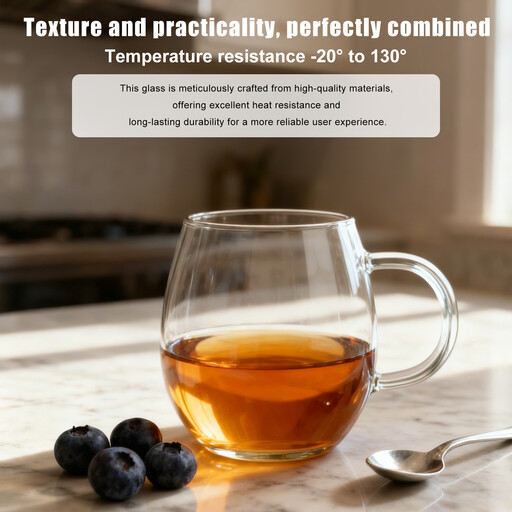
Why it suits this need: A simple glass cup with a handle for coffee, tea or another drink. Its 300 ml capacity makes it a practical choice for everyday use at home.
The capacity is clearly stated, so you can decide in advance whether 300 ml is right for your cup of coffee or tea.
Handle; 300 ml capacity; described in the product name as a versatile cup for coffee and tea.
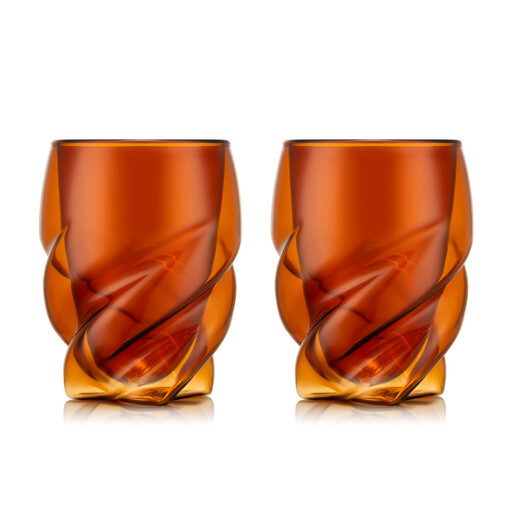
Why it suits this need: A double-walled set for anyone who wants to serve coffee, tea, cold brew and cocktails in the same type of glass.
The product information specifies borosilicate glass, a double-walled construction and a silicone opening to equalise the pressure between the glass layers.
270 ml; set of 2; according to Bodum, suitable for the dishwasher, microwave and oven up to 180 °C.
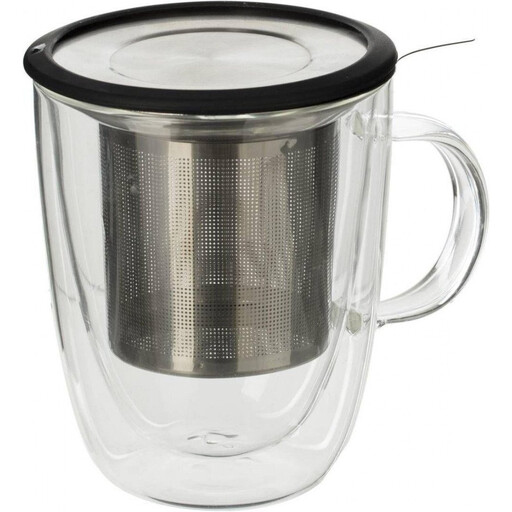
Why it suits this need: For loose-leaf tea, herbal infusions or a relaxing drink without the need for a separate teapot. The removable infuser makes it ideal for the job.
The design is clearly described: a 300 ml glass mug with a removable infuser and a lid with a rubber edge.
300 ml capacity; metal infuser; lid; suitable for loose-leaf tea and infusions.
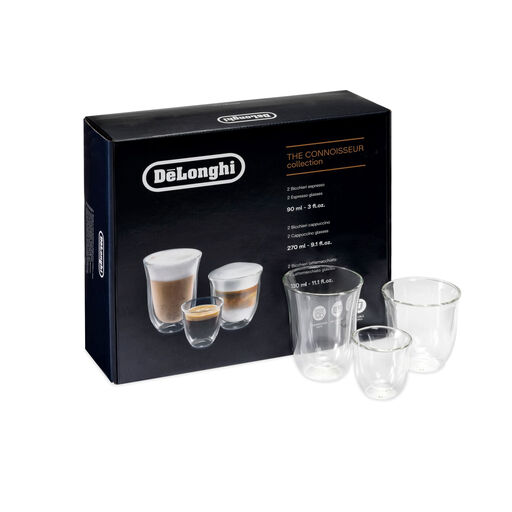
Why it suits this need: A glassware set with six glasses for espresso, cappuccino and milk. Handy for households that serve several types of coffee.
The set includes separate glasses for espresso, cappuccino and milk, so you don’t have to use one universal size.
Six glasses; double-walled thermal glass according to the product specifications; dishwasher-safe according to the product information.
We’ve put together a complete, up-to-date list of products that meet these strict selection criteria and the European safety regulations currently in force.
It depends on the model. Only use a glass coffee cup in the microwave if the product information clearly says it’s suitable. Double-walled glasses may need extra care because of their construction, so follow the manufacturer’s instructions.
Avoid sudden temperature changes. For example, don’t pour boiling-hot coffee into a glass straight from the fridge, and don’t put a hot glass under cold water. Also check regularly for cracks, chips and other damage.
Some models are. The Bodum PAVINA PARIS and CANTEEN product descriptions state that they’re dishwasher-safe. Check the latest specifications for each model and load glasses according to the dishwasher manufacturer’s instructions.
