Choose an individually wrapped gingerbread bar based on what you want alongside your takeaway sandwich: a small portion you can take with you straight away, a bar whose nutritional information you want to compare, or a larger portion. Check the weight per bar, sugars, fibre, ingredients and allergens for the exact variety. A ‘no added sugars’ claim doesn’t tell you the whole story.
Who is this guide for?
Anyone picking up a sandwich in a hurry
You want to take a bar with you without having to cut or portion a gingerbread loaf there and then. Peijnenburg and Snelle Jelle describe individually wrapped portions of 28 g and 65 g respectively in their ranges.
Anyone comparing labels
You want to know how much sugar and fibre a bar contains per portion, and whether any difference is mainly down to the size of the bar. So compare the nutritional values per 100 g too.
Anyone checking ingredients carefully
Check the ingredients list and allergen information for your chosen variety, for example for rye, other cereals containing gluten, nuts and milk. If the bar contains sweeteners, check the packaging for any warnings too.
What should you look for when choosing?
Small, classic portion
A good choice when: you mainly want a compact snack to go with your sandwich. Albert Heijn describes Peijnenburg Naturel 10-pack as containing individually wrapped slices weighing 28 g each.
The trade-off: a small portion size doesn’t tell you anything by itself about sugar or fibre content; check the label on the bar you choose.
No-added-sugars variety
A good choice when: you specifically want to check added sugars and fibre in a small bar. Peijnenburg lists its Tussendoor Noten bar as a 28.7 g portion.
The trade-off: according to Peijnenburg, the bar still contains 1.4 g of sugars and 6.3 g of polyols per portion, as well as almonds and hazelnuts. The manufacturer warns that excessive consumption may have a laxative effect.
Larger gingerbread bar
A good choice when: you deliberately want a larger, individually wrapped portion. Snelle Jelle describes its Kruidkoek as a 65 g bar.
The trade-off: Snelle Jelle lists 26 g of sugars and 2.0 g of fibre per Kruidkoek bar. Consider these values alongside the larger portion size.
When choosing a gingerbread bar to go with a takeaway sandwich, first decide what matters most to you: taking it with you straight away, comparing nutritional information, or checking the ingredients and allergens.
| What to consider | What to check when buying | Who it matters to |
|---|
| Taking it with you and portion size |
Check whether the bars are individually wrapped and how many grams each bar weighs. |
If I’m picking up a sandwich in a hurry, I want to be able to take a suitable bar with me without cutting it. For around 44% of consumers, this convenience and portion size come first. |
| Nutritional information |
Compare sugars and fibre per portion and per 100 g; if sweeteners are used, read the ingredients list too. |
With my lunch, I want to be able to weigh up how much sugar and fibre a whole bar contains. Around 33% of consumers give this label comparison top priority. |
| Ingredients and allergens |
Read the current ingredients list and allergen information for the exact variety, including any warnings about possible traces. |
If I need to watch out for certain ingredients, I don’t choose based on the name of a similar bar. This check is the main concern for around 23% of consumers. |
Common mistakes
-
Reading ‘no added sugars’ as ‘sugar-free’
Peijnenburg lists 1.4 g of sugars and 6.3 g of polyols per 28.7 g portion of its Tussendoor Noten bar, which has no added sugars. The manufacturer also warns that excessive consumption may have a laxative effect.
Read the nutritional information per portion and the ingredients list, not just the wording on the front of the pack.
-
Comparing figures directly for bars of different sizes
The Tussendoor Noten bar described by Peijnenburg weighs 28.7 g, while the Kruidkoek bar described by Snelle Jelle weighs 65 g. So a figure per bar refers to a different amount of gingerbread.
Check what you’ll actually eat per bar, and use the figures per 100 g to compare products on the same weight basis.
-
Assuming another variety’s label applies
Ingredients and ‘may contain’ information can vary from bar to bar. The Netherlands Food and Consumer Product Safety Authority stresses the importance of clear allergen information on food labels.
Read the current packaging for the exact variety you want to buy, even if you already know another bar from the same brand.
-
Assuming every gingerbread bar contains iodised baker’s salt
In 2008, the Staatscourant published an agreement on the use of baker’s salt. This doesn’t tell you which type of salt was used in a particular gingerbread bar.
Check the ingredients list or ask the manufacturer about the composition of the specific product.
Brands to consider
Peijnenburg
Offers both individually wrapped plain slices and Tussendoor varieties; compare these product ranges separately.
- The Naturel 10-pack described by Albert Heijn contains ten individually wrapped 28 g slices.
- Peijnenburg lists almonds, hazelnuts and polyols in Tussendoor Noten; for this variety, read the warning about excessive consumption too.
Snelle Jelle
Offers, among other things, individually wrapped gingerbread bars for anyone looking for a larger portion.
- Snelle Jelle describes its standard Kruidkoek as a 65 g portion.
- For this Kruidkoek, the brand lists 26 g of sugars and 2.0 g of fibre per bar; check the nutritional information for other varieties separately.
Albert Heijn
Its range includes several own-brand gingerbread bars, including plain, raisin and zero varieties.
- The different varieties offer a choice of flavours and product descriptions.
- To compare nutritional values, check the information for the specific bar, not just the range category.
Gingerbread bars on Joybuy
These Snelle Jelle varieties are worth considering if you’re looking for a gingerbread bar to go with a quick lunch. Choose a variety and portion based on the packaging and current label; the products below aren’t a comparison of every type of bar discussed.
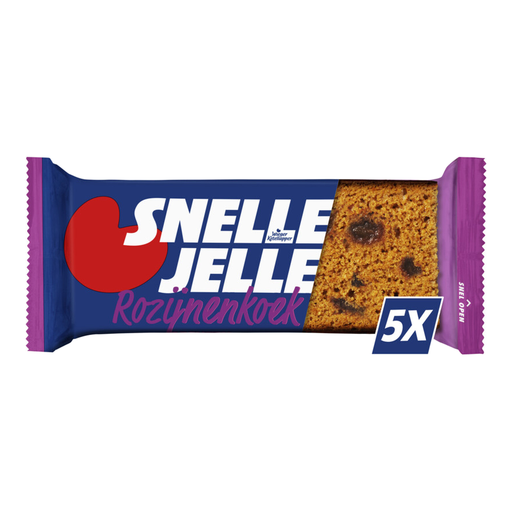 Image unavailable
Snelle Jelle gingerbread with raisins 325 g
An option if you’d like to take a raisin variety with you for lunch. Check the weight of each bar and read the ingredients and allergen information on this pack.
Pack weight: 325 g.
View on Joybuy
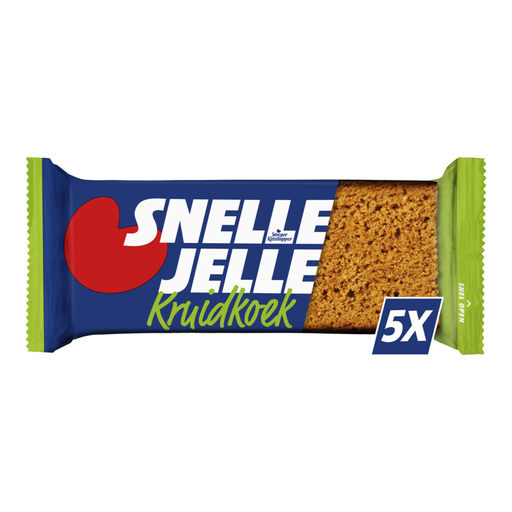 Image unavailable
Snelle Jelle plain gingerbread 325 g
An option if you’d like a plain variety with your sandwich. Check the pack for the weight per bar and compare the nutritional information with other varieties on the same basis.
Pack weight: 325 g.
View on Joybuy
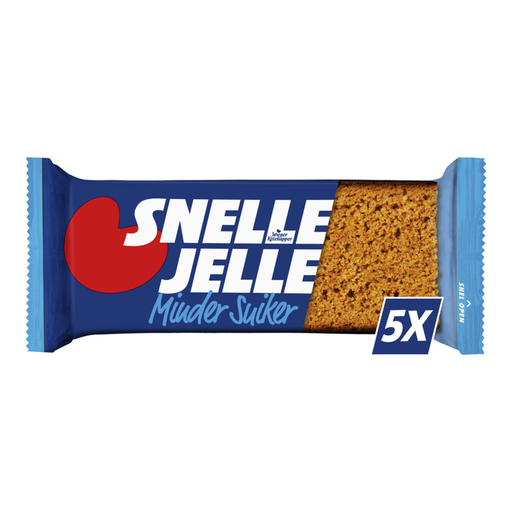 Image unavailable
Snelle Jelle gingerbread Less Sugar-Free 250 g
An option to consider if you want to take added sugars into account. Don’t assume how much sugar a bar contains from the variety name: read the ingredients list and check whether the nutritional values are given per portion or per 100 g.
Pack weight: 250 g.
View on Joybuy
Frequently asked questions
Does ‘no added sugars’ mean a gingerbread bar contains no sugars?
No. Peijnenburg lists 1.4 g of sugars per 28.7 g bar of its Tussendoor Noten variety, despite it having no added sugars. So check the nutritional information and ingredients list for the variety you choose too.
What should I check for nuts or gluten in a gingerbread bar?
Before buying, read the ingredients list and allergen information on the exact pack. The Netherlands Food and Consumer Product Safety Authority explains that allergens must be listed on the label; also look out for any warnings about possible traces.
What should I look for in a gingerbread bar with sweeteners?
Check which sweeteners the bar you choose contains and read any usage warnings. Peijnenburg lists polyols in its Tussendoor Noten bar and warns that excessive consumption may have a laxative effect; this doesn’t apply to every bar.
Can I assume every gingerbread bar contains iodised baker’s salt?
No, don’t assume every gingerbread bar uses the same type of salt. The Staatscourant published an agreement on baker’s salt in 2008, but you can check the composition of the bar you’re buying in the ingredients list or by asking the manufacturer.


