
Vandaag of morgen in huis

Kwaliteit gegarandeerd

Welkomstaanbiedingen ontgrendelen: GRATIS bezorging | Tot 80% korting | Gratis 30 dagen JoyPlus-proefperiode
Download de app
Ginger beer is popular as a soft drink, mixer and base for mocktails. However, ginger beer, ginger ale and other ginger drinks can differ considerably in flavour, sugar content, packaging and how they’re used. If you choose based only on an eye-catching label or a familiar brand name, you could end up with a drink that’s too sweet, lacks a ginger kick or isn’t right for what you have planned.
The main pitfalls when buying ginger beer are:
First, think about what you want to use the drink for. A milder ginger drink can be pleasant on its own. For a Moscow Mule, Dark ’n Stormy or another mixed drink, a good ginger kick is important so the flavour doesn’t get lost among the ice, lime and other ingredients.
Check the product description and ingredients list. Terms such as ‘ginger flavour’, ‘natural ginger flavouring’ and ‘ginger root’ don’t necessarily mean the same thing. Also check whether the drink contains sugar, sweeteners or both.
Compare the nutritional information per 100 ml, not just per bottle. The differences can be significant:
A lower sugar content doesn’t automatically mean a lighter-tasting drink. Some varieties use sweeteners to create a sweet taste. If you want to avoid particular ingredients, check the label and allergen information. Product ingredients may change, so always check the packaging.
A large bottle is practical if you’re looking for ginger beer for cocktails or want enough for several people. Once opened, the bottle should be kept in the fridge and used within the stated period. A smaller bottle or can helps reduce waste if you’re only making one or two drinks.
Check the volume in each pack, too. Bundaberg, for example, is available as a single 375 ml bottle and in packs of 12 x 375 ml bottles. Old Jamaica Ginger Beer is sold in packs of 6 x 330 ml bottles. A multipack is handy for stocking up, but only buy a larger quantity if you already know you like the flavour.
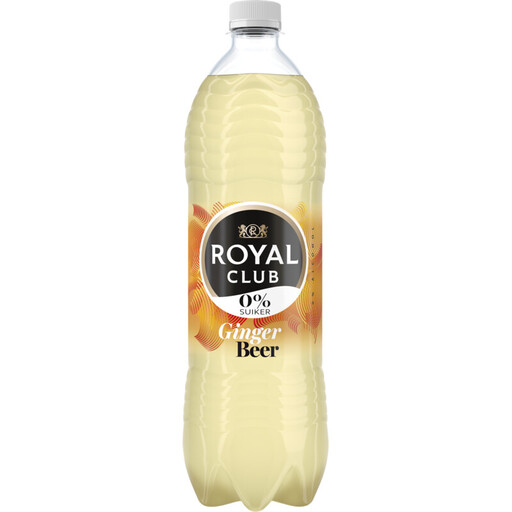
Why it suits this profile: The 1-litre bottle is a good way to try ginger beer at home and make several glasses or mocktails.
The product information states that it contains 0 grams of sugar and 1 kcal per 100 ml. This makes it clear upfront that it’s a sweetened variety, not a sugar-sweetened ginger beer.
1-litre bottle, alcohol-free and made for mixing. The product information also states that it contains sweeteners and sulphites.
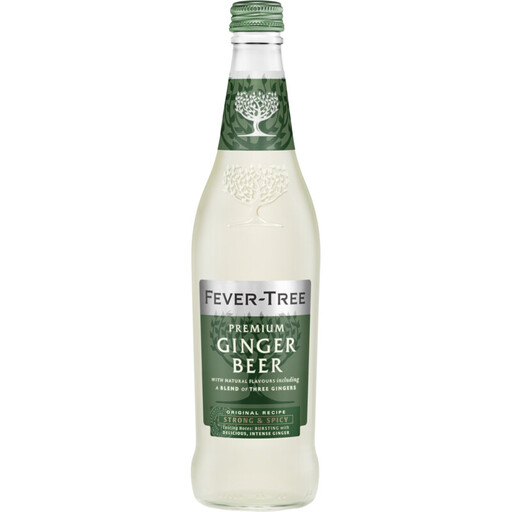
Why it suits this profile: The 500 ml bottle is a good fit for anyone looking for a distinctive mixer for a few carefully crafted cocktails.
The ingredients list includes ginger root, natural ginger and fructose. The product description also mentions a blend of three types of ginger; check the latest packaging for any changes.
500 ml bottle and a recipe made with ginger root. According to the product description, it’s suitable for a Dark ’n Stormy, Moscow Mule or enjoying on its own, without an alcoholic addition.
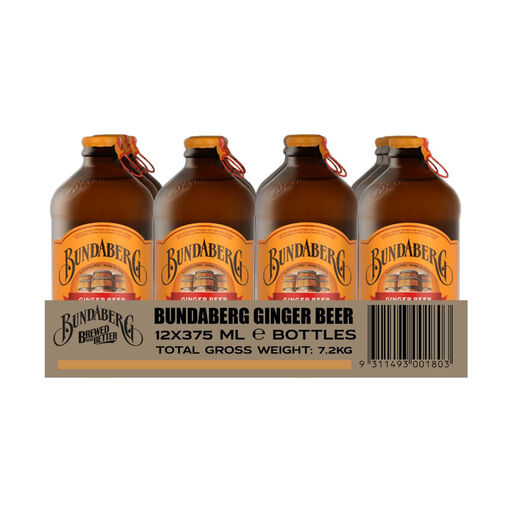
Why it suits this profile: This multipack is practical for households, parties and making cocktails or mocktails regularly.
The volume per bottle is clearly stated: 375 ml, with 12 bottles in each pack. This makes it easier to plan your supplies for regular use, rather than opening too many large bottles.
Individual 375 ml bottles, with ginger root in the ingredients list and around 44 kcal and 11 grams of sugar per 100 ml.
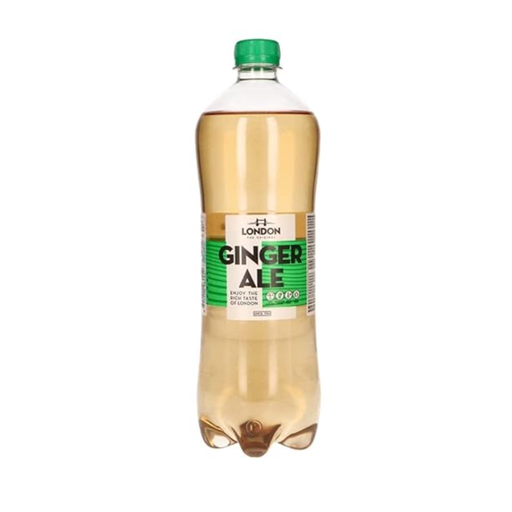
Why it suits this profile: This 1-litre ginger ale is for anyone looking for a sparkling drink with notes of ginger to enjoy on its own or use in mixed drinks.
The nutritional information states 13 kcal, 3 grams of sugar and 3.2 grams of carbohydrates per 100 ml. The ingredients list also includes sweeteners, so the drink isn’t sweetened with sugar alone.
1-litre bottle, sparkling and made with natural ginger flavourings, according to the product information. Suitable as a soft drink or cocktail mixer.
We’ve put together a complete, up-to-date list of products that meet these strict selection criteria and the applicable European safety regulations.
Store unopened bottles according to the label, preferably somewhere cool and out of direct sunlight. Once opened, ginger beer should be kept in the fridge. Close the bottle tightly to help retain the fizz. Serve chilled, with ice and lime if you like.
For a simple mocktail, mix ginger beer with lime, mint and ice. For a cocktail, it’s a good idea to taste the ginger beer first: a sweeter variety may call for less syrup or a more acidic ingredient. If you buy a multipack, check the use-by information on the packaging.
According to the product information, the varieties mentioned are alcohol-free soft drinks. If you have specific dietary requirements, always check the latest label. Alcohol-free ginger beer isn’t the same as fermented ginger drink; the product name and ingredients list indicate which type of product it is.
Ginger beer usually has a more pronounced, spicier ginger flavour. Ginger ale is often milder and easier to enjoy as a soft drink. The distinction isn’t exactly the same for every brand, so check the ingredients, nutritional information and flavour description. Royal Club Ginger Ale and Royal Club Ginger Beer, for example, are separate products with different nutritional values.
For a single cocktail, 330 to 500 ml is often a practical size. If you regularly use ginger beer for mocktails or cocktails, consider a 1-litre bottle or multipack. Compare not only the price per pack, but also the volume per bottle and how quickly you’ll use the drink once opened.
