
Vandaag of morgen in huis

Kwaliteit gegarandeerd

Welkomstaanbiedingen ontgrendelen: GRATIS bezorging | Tot 80% korting | Gratis 30 dagen JoyPlus-proefperiode
Download de app
If you’re looking to buy gin and tonic and Chinese cooking wine, you’re probably after convenience and a product that suits the way you plan to use it. A ready-to-drink gin and tonic is handy at home or for a party, while Chinese cooking wine with ginger and spring onion is made for marinating, stir-frying and braising. Yet many of the packages look more alike than their contents might suggest.
The main pitfalls are easy to avoid:
A 250 ml can can have different alcohol percentages. According to the product information, Gordon’s Gin & Tonic contains 6,4% alcohol. Bobby’s Gin & Tonic and Bobby’s Gin & Pink Lemonade are listed with 9% alcohol in their product specifications. Bombay Sapphire Gin & Tonic is listed with 6,5% alcohol.
That difference matters if you’re buying several cans for an evening, party or picnic. Also check whether you’re choosing a single can or a multipack. A pack of 4 x 250 ml is handy for sharing, but less suitable if you want to try the flavour first.
For an alcohol-free option, the label matters more than the name. Sir James Pink Gin & Tonic is described as an alcohol-free carbonated soft drink with juniper flavour. According to the nutritional information provided, it contains 37 kcal per 100 ml and 9 grams of carbohydrates. So alcohol-free doesn’t automatically mean sugar-free.
A classic gin and tonic typically contains gin, tonic, carbonation and flavourings. Gordon’s Gin & Tonic contains London Dry Gin, sugar, quinine flavouring and a preservative, among other ingredients. According to the product description, Bombay Sapphire has botanical notes of juniper and citrus.
A pink gin and tonic often has fruitier or sweeter notes. Gordon’s Premium Pink Gin & Tonic is described in the product information as having raspberry and blackcurrant flavours. Bobby’s Gin & Pink Lemonade combines Bobby’s Dry Gin with a spiced lemon and rose syrup and natural grapefruit flavouring. If you have an allergy, always check the current label, even if a product is listed as free from the 14 main EU allergens.
When choosing Chinese cooking wine, focus on the base and added flavourings:
Qianhe All-Natural Scallion & Ginger Cooking Wine lists water, rice, spring onion and ginger as ingredients. It is positioned as having no artificial additives, preservatives or flavour enhancers. According to the product information, Lu Hua contains rice wine, wheat, spices, salt, yeast extract, monosodium glutamate and disodium 5’-ribonucleotide, among other ingredients. This makes the label an important point of difference.
Use cooking wine in a marinade or while cooking. According to the usage instructions, Wang Zhihe Scallion and Ginger Cooking Wine is recommended for marinades, stir-fries and sauces, with a guideline of around 1 to 2 tablespoons. It is not intended to be drunk.
For regular cooking, a 1,75-litre bottle may be more practical than several 500 ml bottles. According to the product information, Chu Bang Cooking Wine with Scallion & Ginger Juice contains rice wine, ginger and spring onion, and is intended for marinating, stir-frying and braising. Do look out for additional ingredients such as salt, flavour enhancer E621 and wheat.
Some of the alcohol evaporates during cooking, but the amount depends on the cooking time, temperature and recipe. If you want to avoid alcohol completely, check the label and choose a suitable alternative.
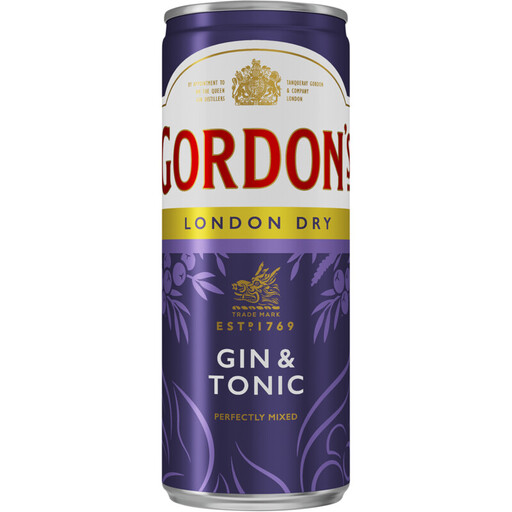
Why it suits this type of shopper: A single 250 ml can is a straightforward choice if you want to try a classic ready-to-drink gin and tonic first.
The product information clearly lists the 6,4% alcohol content and the ingredients, so you don’t have to rely on the packaging alone.
250 ml; ready to drink; 6,4% alcohol; store in a cool place.
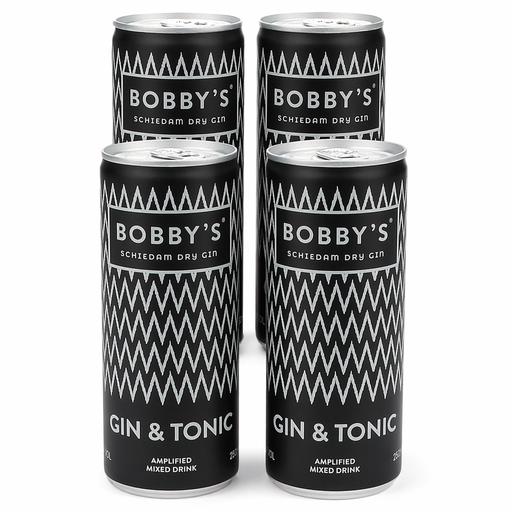
Why it suits this type of shopper: A good choice if you’re after a multipack with a higher alcohol content and a spiced citrus profile.
The label lists 9% alcohol, 250 ml per can and the ingredients used, making it easy to check how it differs from a classic gin and tonic.
Four cans; 9% alcohol; tonic with quinine flavouring; natural orange flavouring according to the product information.
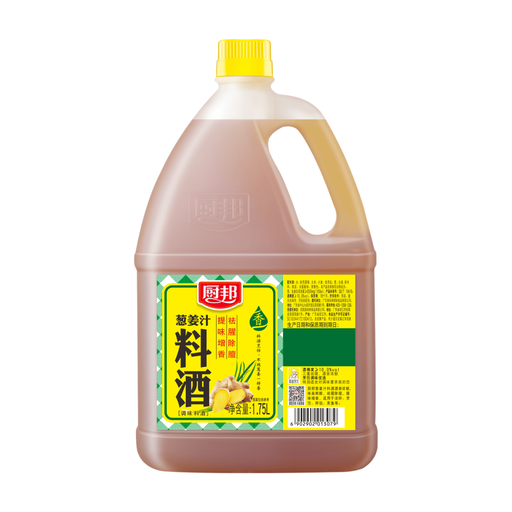
Why it suits this type of shopper: The large size is a good fit for home cooks who often marinate, stir-fry or braise ingredients.
The product information lists the volume, rice wine content, ginger, spring onion, salt and wheat. You can match the size and ingredients to your recipes.
1,75 litres; suitable for marinating, stir-frying and braising; 0,5% ginger and 0,5% spring onion according to the product specifications provided.
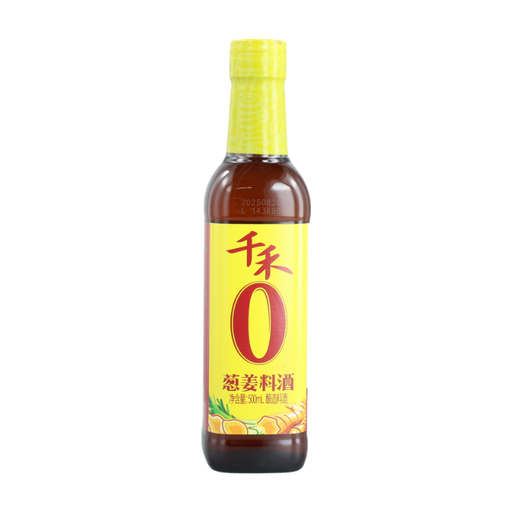
Why it suits this type of shopper: A handy compact bottle for making a few Chinese dishes with meat, fish or poultry.
The ingredients list contains only cooking wine made with water and rice, spring onion and ginger. Always check the packaging when you buy it.
500 ml; infused with ginger and spring onion; according to the product information, no artificial additives, preservatives or flavour enhancers.
We’ve put together a complete, up-to-date list of products that meet these strict selection criteria and comply with current European safety regulations.
Yes, it usually means a pre-mixed drink in a can. The ratio of gin to tonic is already set. Check the alcohol content, sugar and size in particular. A 250 ml can can vary considerably from one brand to another.
Cooking wine with ginger and spring onion is handy for fish, chicken, pork and stir-fries. Choose a product that suits your recipe, and check the salt, wheat, sulphites and flavour enhancers. Qianhe may suit you if you want a rice wine for cooking with a simple ingredients list; Chu Bang’s 1,75-litre bottle is more practical for larger quantities.
Store unopened gin and tonic in a cool place, out of direct sunlight and away from heat. Store cooking wine in a cool, dry place and, once opened, keep it tightly sealed, following the label instructions. Always check the best-before date, seal and current packaging information before use.
