
Vandaag of morgen in huis

Kwaliteit gegarandeerd
Download de app
Categorieën

Jerky footage can detract from your message, whether you're capturing an important memory or creating content for your followers. Purchasing an accessory that doesn't meet expectations is a waste of money. A gimbal, also known as a smartphone stabilizer, is designed to solve this problem by compensating for unwanted movements. This results in smooth, professional-looking footage, straight from your phone.
In this guide, we'll cover the key considerations when choosing a gimbal and highlight several models based on their specifications.
To make an informed decision, it's helpful to understand a few technical aspects. Focus on the parameters that are most important for your specific use case.
The core function of a gimbal is stabilization, which is achieved via axes that correct movement.
Always check if the gimbal is compatible with your smartphone. Pay attention to the manufacturer's specifications regarding the maximum width and weight of the phone. A phone that is too heavy or wide can strain the gimbal's motors, leading to poor performance. Whether you're looking for a gimbal for iPhone or a gimbal for Android, compatibility is the first step.
For travelers and vloggers who are often on the go, a foldable gimbal is a practical choice. These models are compact and take up little space in a bag. The convenience of portability can be the difference between actually using the gimbal and leaving it at home.
Modern gimbals often offer more than just stabilization. Features like a gimbal with tracking can automatically follow a subject. This is ideal for solo creators filming themselves. The companion app often provides additional shooting modes, such as timelapse, panorama, and sometimes even editing capabilities. These features are particularly useful for those seeking a stabilizer for vlogging or a stabilizer for TikTok.
Below is a selection of gimbals, each with its own set of specifications and functionalities. The choice is based on the product parameters as provided by the manufacturer.

Why this product The Verbex C16 is a foldable stabilizer that focuses on ease of use and portability. With 2-axis stabilization and AI face recognition, it offers a solid foundation for improving videos for social media and vlogs.
Pros
Who is this for This model is a great start for content creators and hobbyists taking their first steps with a smartphone stabilizer and looking for a compact, functional solution for platforms like YouTube and TikTok.
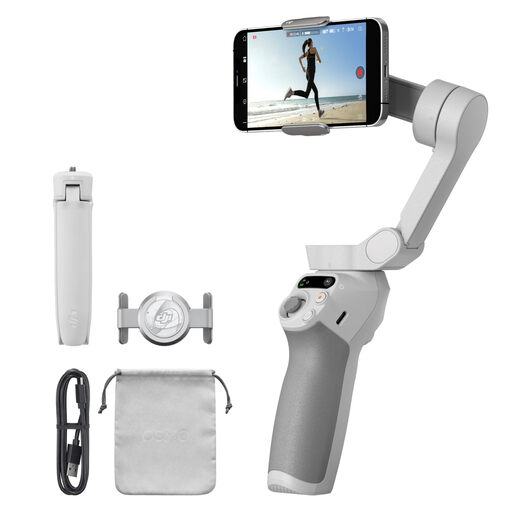
Why this product The DJI Osmo Mobile SE is a 3-axis gimbal that combines advanced stabilization with DJI's intelligent features. The magnetic clamp ensures quick attachment of your phone.
Pros
Who is this for This gimbal is aimed at serious vloggers and content creators who need a reliable, high-performance phone stabilizer for producing professional content for YouTube and other video platforms.
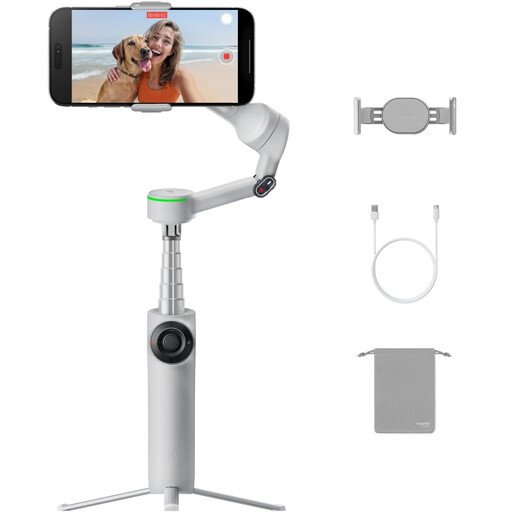
Why this product The Insta360 Flow 2 is more than just a gimbal; it's an all-in-one tool with a built-in tripod, selfie stick, and power bank. Its AI tracking is designed for complex scenarios, such as following multiple people.
Pros
Who is this for This model is ideal for the demanding content creator who needs maximum flexibility and advanced AI features. The multi-subject tracking also makes it an interesting option for capturing group activities or sporting events.
The selection above represents different types of gimbals, but the market is broad and diverse. If these models don't fully meet your specific needs, or if you're looking for other accessories to enhance your recordings, there are more options available.
For a broader overview of stabilizers and related accessories, you can browse our main category: Phone Camera.
1. What is the difference between a gimbal and a selfie stick with a stabilizer? A selfie stick with a simple stabilizer often uses electronic image stabilization (EIS) via software, which can reduce image quality. A gimbal uses motorized axes to actively compensate for physical movements, resulting in a superior and smoother image without any loss of quality.
2. Will any gimbal work with my iPhone or Android phone? No, not always. It is essential to check the gimbal's specifications. Pay close attention to the supported width and weight of the smartphone. Most manufacturers provide a clear range. Software support via the app can also differ between operating systems (iOS or Android).
3. Is a 3-axis gimbal really necessary for TikTok videos? For static videos or simple pans, a 2-axis gimbal or even the built-in stabilization of a modern phone is often sufficient. However, if you're creating videos where you walk, run, or follow fast movements, a 3-axis gimbal provides a noticeably smoother and more professional result. This can significantly increase the production value of your content.