
Vandaag of morgen in huis

Kwaliteit gegarandeerd

Welkomstaanbiedingen ontgrendelen: GRATIS bezorging | Tot 80% korting | Gratis 30 dagen JoyPlus-proefperiode
Download de app
Whether you're a vlogger, documenting your travels, or looking to take your social media to the next level, shaky videos are a common frustration. A gimbal, also known as a camera stabiliser, promises smooth, professional-looking footage. But the market is flooded with models that overpromise and underdeliver. Many buyers fall for marketing traps and end up with a gadget that gathers dust.
As a Joybuy Product Recommendation Officer, I'm here to help you see through the hype. Let's discuss the three most common pitfalls so you can make a purchase you'll actually use.
To avoid a bad purchase, focus on a few objective specifications. These determine whether a gimbal will do its job well.
The core function of a gimbal is stabilisation. A 3-axis stabiliser is the gold standard here. This type corrects movement on three axes:
Models with only one or two axes cannot fully compensate for the jolts of walking. For a truly smooth video stabiliser, a 3-axis system is indispensable.
Always check if the gimbal can handle the weight and dimensions of your device.
A handheld gimbal needs to be practical. A battery life of 6 to 8 hours is a good starting point for a full day of filming. Also, consider the weight and whether the model is foldable. A magnetic clamp for your smartphone can significantly speed up the setup process, ensuring you don't miss a moment.
Below are some popular choices, matched to different user profiles. We've looked at the specifications to see how they avoid the pitfalls mentioned earlier.
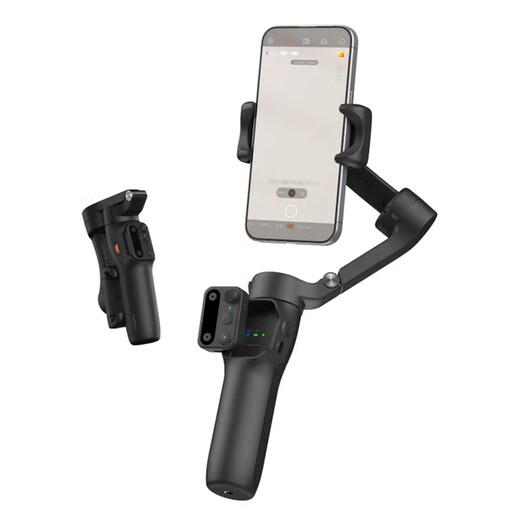
Why This Fits Their Persona: Ideal for those who want to start creating stable videos without making a large initial investment. This model offers the essential features at an accessible price point.
This model focuses on the core: solid 3-axis mechanical stabilisation. While its AI features are more basic, the hardware delivers reliable performance. The long battery life prevents you from running out of power halfway through the day.
According to the manufacturer, this model has an 11-hour battery life and a detachable remote control, offering flexibility for solo shoots.
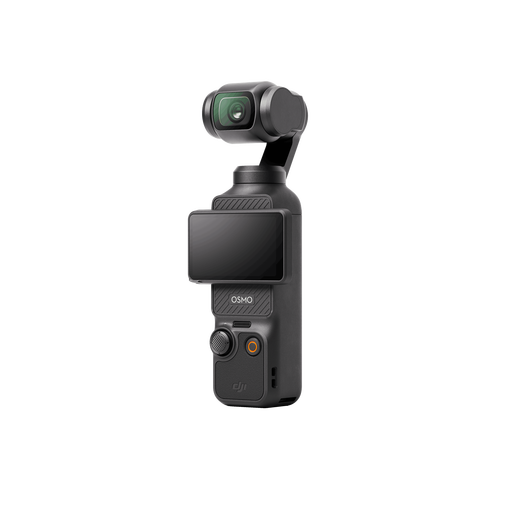
Why This Fits Their Persona: For those who prioritise image quality and convenience. This is a complete vlogging camera and gimbal in one, so you're not dependent on your smartphone.
As an all-in-one device, there are no compatibility issues with apps or phones. DJI's ActiveTrack 6.0 is known for being highly reliable, which sidesteps the pitfall of poor tracking. Its compact size makes it extremely portable.
The 1-inch CMOS-sensor delivers superior image quality, especially in low light. The Creator Combo also includes an external microphone for clear audio.
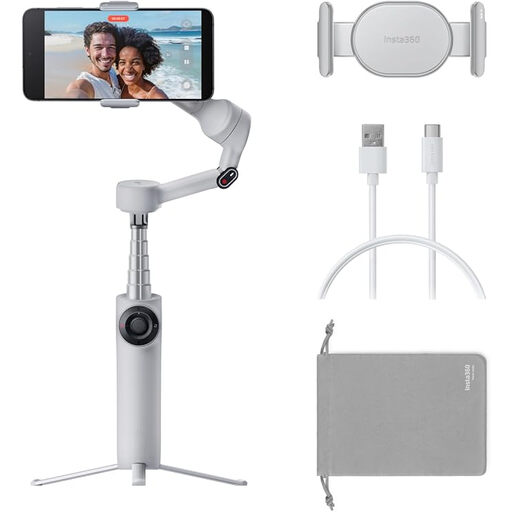
Why This Fits Their Persona: Designed for fast, creative content for platforms like TikTok and Instagram. The focus is on smart features, ease of use, and an all-in-one design.
The Insta360 Flow tackles the pitfall of poor tracking with its AI algorithms. According to the manufacturer, the tracking even works within other apps thanks to Apple's DockKit. The foldable design with a built-in tripod and selfie stick eliminates the need for extra accessories.
The gimbal is an all-in-one tool with a built-in tripod, selfie stick, and power bank function. The AI-powered tracking and gesture controls are optimised for solo creators.
We have compiled a complete, up-to-date list of products that fully meet these strict selection criteria and local regulations.
The lifespan of a gimbal depends on its build quality and how you handle it. A model from a reputable brand can last for years with normal use. The motors are generally robust. The battery is often the first component to degrade. When purchasing, pay attention to the warranty and the brand's reputation for durability.
Yes, for anyone who wants to create smooth, professional-looking videos, a 3-axis stabiliser is indispensable. Especially during movements like walking, running, or panning (moving the camera horizontally), the third axis (roll) ensures the horizon stays level and the footage looks calm. Cheaper 1- or 2-axis models cannot offer this level of stability.
No, always check the specifications. Pay attention to the maximum dimensions (width and thickness) and the weight the gimbal can support. A heavy phone in a thick case might not fit or could overload the motors. Additionally, the software is crucial. Check if the accompanying app has good reviews in the App Store or Google Play Store and is compatible with your phone model and operating system.
