
Vandaag of morgen in huis

Kwaliteit gegarandeerd

Welkomstaanbiedingen ontgrendelen: GRATIS bezorging | Tot 80% korting | Gratis 30 dagen JoyPlus-proefperiode
Download de app
If you're planning to upgrade your PC in 2026, the Gigabyte RTX 5070 is likely on your radar. The promises of the new NVIDIA Blackwell architecture are impressive, but the graphics card market is saturated with marketing terms and specifications that confuse more than they clarify. It's easy to overpay for features you don't need or, worse, buy a card that doesn't perform as expected. Before you buy a GeForce RTX 5070, it's crucial to separate fact from fiction.
Many buyers fall for a few common pitfalls:
This guide will help you navigate these pitfalls and make an informed decision based on objective specifications.
To avoid buyer's remorse, there are a few technical specifications you need to check. These determine the actual performance and usability of your new graphics card.
The NVIDIA Blackwell architecture is the successor to Ada Lovelace and forms the foundation of the RTX 50-series. According to NVIDIA, this architecture offers a significant improvement in efficiency and ray tracing performance. This is combined with GDDR7 memory, which delivers higher bandwidth than its predecessor, GDDR6X.
For a card like the RTX 5070 12GB, this specifically means:
A powerful GPU generates a lot of heat. Without adequate cooling, the card will throttle itself (thermal throttling) to prevent damage, meaning you won't get the full performance you paid for.
Pay attention to the following aspects:
The latest generation of graphics cards also introduces new connectivity standards.
Not everyone has the same needs. Here are a few options tailored to different profiles to help you make the right choice.
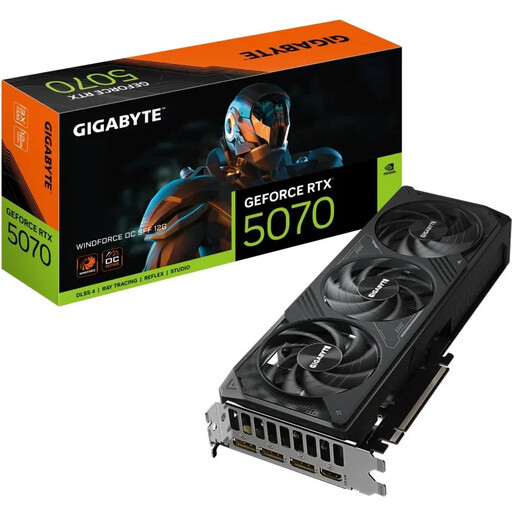
Why it's a match for this profile: This is the ideal card for anyone who wants to game smoothly at 1440p with high settings. You get the latest Blackwell technology without the premium price tag of an RTX 5080 or 5090. Perfect for the serious gamer seeking a great balance between price and performance.
The 12GB GDDR7 is fast and more than enough for 1440p, helping you avoid the VRAM trap. The robust WINDFORCE cooler prevents performance loss from overheating.
Excellent RTX 5070 price-to-performance ratio. The triple-fan cooling ensures stable boost clocks during long gaming sessions. Supports DisplayPort 2.1 for modern monitors.
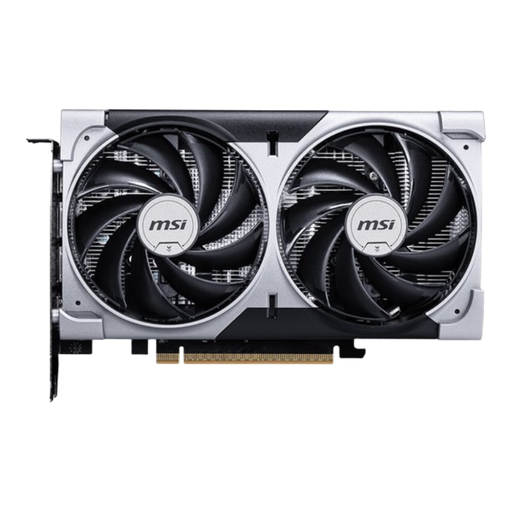
Why it's a match for this profile: For those who want the benefits of the Blackwell architecture but have a tighter budget. This card is an excellent choice for 1080p gaming at high settings and can also handle 1440p well, especially with the help of DLSS 4.
You avoid the pitfall of overspending. Why buy a more expensive card if your monitor or CPU can't leverage the extra power anyway? This is a practical choice that still grants access to the latest technology.
Lower entry price for the NVIDIA Blackwell architecture. The compact dual-fan design fits in most PC cases, and its power consumption is lower.
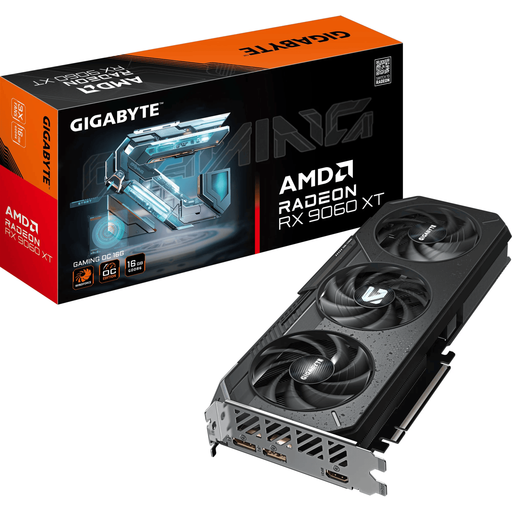
Why it's a match for this profile: For users whose work (video editing, 3D rendering) benefits from more VRAM, or for gamers who prefer the AMD ecosystem. This card offers a competitive alternative to the RTX 5070.
This model breaks the mindset that NVIDIA is the only option. With 16GB VRAM, it offers a specific advantage for productivity tasks where the 12GB on the RTX 5070 might be a bottleneck.
The 16GB of VRAM is a major plus for creators. It's often strong in pure rasterization performance for its price point and an excellent choice for an all-AMD build.
We have compiled a complete, up-to-date list of products that fully meet these strict selection criteria.
Most likely, yes, if your current PSU is older. The Gigabyte RTX 5070 Windforce OC has a recommended power supply of 750W and uses the new 16-pin PCIe 5.0 power connector. While an adapter to combine two 8-pin cables is often included, for a new build, an ATX 3.0 power supply with a native 16-pin cable is the most stable and cleanest solution.
A standard (or "Founders Edition") RTX 5070 follows NVIDIA's reference design. A model like the Gigabyte Windforce OC is what's known as a custom card. The "OC" stands for Overclocked, meaning the card runs at a slightly higher clock speed out of the box for better performance. "Windforce" is the name of Gigabyte's proprietary cooling solution, which in this case features three fans and an enhanced heatsink. This typically results in lower temperatures and less noise than the reference design, allowing the card to sustain its high boost clocks for longer.
For 1440p gaming, 12GB of VRAM is an excellent amount. For 4K, the answer is more nuanced. The RTX 5070 12GB is certainly capable of 4K gaming, especially with the help of technologies like DLSS 4 that enhance performance. However, for the most demanding future games at 4K with ultra-high textures, 12GB could become a limiting factor. It's a trade-off: the RTX 5070 offers a good balance for now, but if you want absolute certainty for long-term 4K gaming, a model with more VRAM might be worth considering.
