
当日/次日达

品质保障

开启新人专享福利: 全场免邮 | 低至 2 折 | 免费试用 30 天 JoyPlus 会员
下载 Joybuy
A facial cleanser seems simple: apply, rinse and you’re done. Yet many people buy a product that is too harsh, does not cleanse sufficiently or is not suitable for their skin type. For example, a tight feeling after washing does not automatically mean that your skin is thoroughly clean. It may also indicate a formula that removes too much of the skin’s natural oils.
For oily, combination, sensitive or acne-prone skin, three purchasing pitfalls are particularly important:
A gentle facial cleanser or cleanser for sensitive skin is generally a logical choice if your skin quickly feels red, dry or tight. Look for a short, clear ingredients list and check whether it contains fragrance or essential oils. “Hypoallergenic” is a product claim made by the brand, not a guarantee that everyone will tolerate the product.
For a facial cleanser for oily skin or a cleanser for blemish-prone skin, ingredients such as salicylic acid, niacinamide, clay or charcoal are relevant. They can help remove excess sebum and dirt, but their effects vary depending on the formula and your skin. According to NIVEA’s product description, niacinamide supports sebum regulation and salicylic acid removes dead skin cells. Treat this as information from the brand, not a medical promise.
Don’t just look at words such as “detox”, “pore cleansing” or “anti-acne”. Check the product type too:
A facial wash that leaves your skin feeling tight after use is not automatically more effective. Use lukewarm water and avoid rubbing hard, especially around your nostrils and cheeks.
A salicylic acid cleanser may be suitable for oily skin, blackheads or clogged pores. Check the concentration if it is stated. For example, the Salicylic Acid Daily Gentle Cleanser 150 ml lists 0.5% salicylic acid. According to the product information, the NIVEA DERMA Skin Clear Scrub contains salicylic acid and lactic acid and recommends using it no more than two to three times a week.
AHA, BHA and PHA can increase sensitivity to sunlight, according to the warnings on some products. Use sun protection during the day and follow the packaging instructions. If irritation, a burning sensation or swelling occurs, stop using the product. If skin problems persist, you can consult a GP or dermatologist.

Why This Fits Their Persona: An accessible Korean facial cleanser for anyone looking for a daily gel texture without a complicated routine.
The product description mentions a lightweight gel texture and daily use, rather than a scrub claim or an exaggerated pore claim.
100 ml, gel cleanser, glycerine in the ingredients list and, according to the product information, free from fragrance and essential oils.
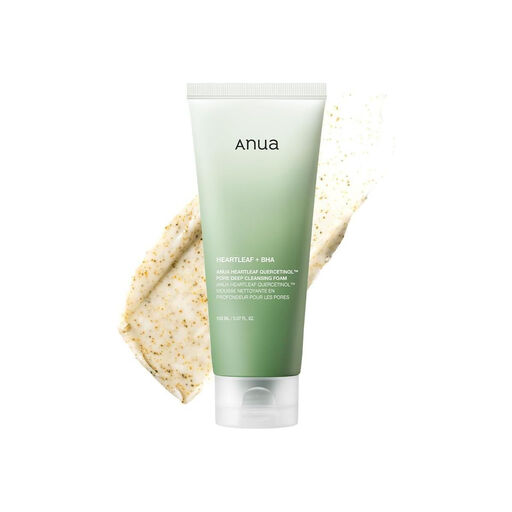
Why This Fits Their Persona: Suits anyone looking for a rich foam texture and a product for oily, combination or sensitive skin.
The formula lists mild cleansers and no sulphates, alcohol or synthetic fragrances. However, the ingredients list does include fragrance.
150 ml, 33% heartleaf extract according to the product description and several forms of hyaluronic acid in the ingredients list.
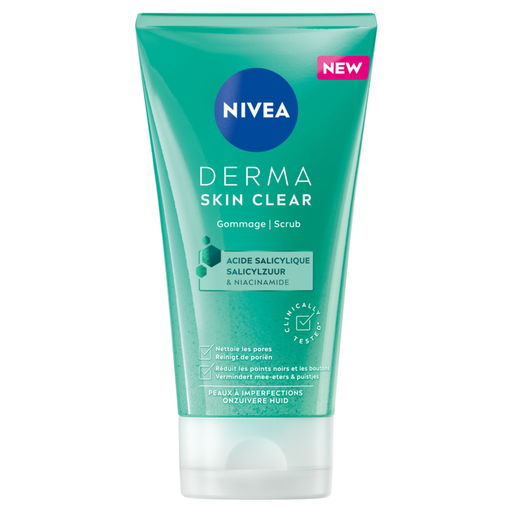
Why This Fits Their Persona: Suitable for users looking for a scrub for oily skin who do not necessarily need a daily facial wash.
The packaging gives a clear usage limit: no more than two to three times a week. This helps prevent excessive scrubbing.
150 ml, contains salicylic acid and niacinamide according to the ingredients list, and is intended for the face and body.
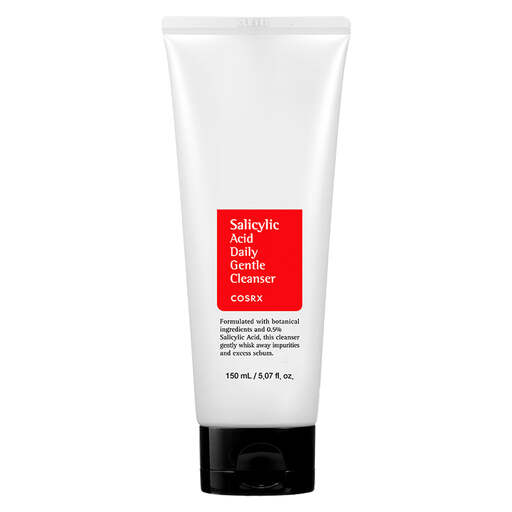
Why This Fits Their Persona: A practical choice for anyone looking for a cleanser for blemish-prone skin with a specifically named active ingredient.
The stated concentration of 0.5% salicylic acid makes it easier to compare than a vague “purifying” claim. Use as directed on the label.
150 ml, salicylic acid, glycerine and tea tree oil according to the product information; aimed at combination, oily or acne-prone skin.
Browse a current selection of facial cleansers for different skin types and uses. Compare the product type, volume, ingredients and usage advice before ordering.
You can usually use a regular gentle facial cleanser in the morning and evening if that feels comfortable. A scrub or formula containing several acids often has a lower recommended frequency of use. Always follow the instructions on the packaging.
That depends on the product and the make-up. A cleanser can remove dirt, sebum and light make-up, but waterproof make-up or sun protection may require a separate first cleansing step. Don’t rub harder if residue remains; instead, choose a suitable cleansing oil, micellar product or double cleanse.
Check the expiry date, batch information and any period-after-opening guidance on the packaging. Store the tube or bottle in a cool, dry place, out of direct sunlight. If the smell, colour or texture changes, or irritation occurs, stop using it.
