
Vandaag of morgen in huis

Kwaliteit gegarandeerd

Welkomstaanbiedingen ontgrendelen: GRATIS bezorging | Tot 80% korting | Gratis 30 dagen JoyPlus-proefperiode
Download de app
Buying a new face cream seems simple, until you have to choose between a hydrating face cream, a face moisturiser, a Korean face cream or a formula for a specific skin concern. A rich cream can feel lovely on dry skin, but too heavy on oily skin. A lightweight gel may feel comfortable during the day, but might not be enough when your skin feels tight.
So don’t focus only on terms such as “glow”, “repair” or “anti-ageing”. Pay particular attention to the ingredients list, texture, skin type and directions for use.
Words such as “intensive”, “deep” and “rejuvenating” don’t tell you much about a formula on their own. A brand claim doesn’t guarantee the same results for everyone. For example, if a product claims to strengthen the skin barrier or reduce wrinkles, treat this as a claim made by the brand, not a guaranteed effect.
According to Clinique’s product description, Moisture Surge 100H provides long-lasting hydration. The stated duration and percentages come from the brand’s own communications. They are not guaranteed for every skin type.
Creams for dry skin often contain more emollient or occlusive ingredients, such as oils, shea butter, squalane or fatty alcohols. These can feel comforting on dry or tight skin, while oily or combination skin may prefer a gel cream or lightweight lotion.
An oil-free gel, such as Clinique Dramatically Different Moisturizing Gel, may be a more practical choice for oily skin. If you have sensitive skin, it’s worth checking for fragrance and any known personal triggers.
A hyaluronic acid cream can attract moisture, but the overall formula determines how comfortable your skin feels. Ingredients such as ceramides, cholesterol, panthenol and emollient oils are also relevant in a barrier-repair cream. Check the packaging, expiry date and directions for use too.
If you mainly use your cream for daily hydration, look for glycerin, betaine, panthenol and hyaluronic acid. A formula containing several types of hyaluronic acid, such as Isntree Hyaluronic Acid Moist Cream, may appeal if you’re looking for a moisture-focused routine. According to the product description, this cream contains five different types of hyaluronic acid.
For skin barrier support, ceramides, cholesterol, squalane and fatty acids are useful ingredients to look for. A ceramide cream isn’t a one-size-fits-all solution, but it may suit dry or sensitive skin that needs a richer texture.
Check whether the product contains fragrance too. Balancium Comfort Ceramide Cream lists bergamot oil, limonene and linalool among its ingredients. If you’re looking for a cream for sensitive skin, it’s a good idea to check these ingredients beforehand.
Compare the volume in millilitres or the weight in grams, rather than just the pack price. A 100 ml jar may seem like good value, but the right amount to use each time matters more than a large size. Use clean hands or the spatula provided, and store the cream according to the label, away from direct sunlight.
If you’re trying a new formula, test it on a small area of skin first. Stop using it if irritation occurs, and consult a doctor or dermatologist if symptoms persist. Cosmetics are not a substitute for medical treatment.

Why it suits this profile: Its gel texture and 100 ml size make it a practical choice if you’re looking for a lightweight Korean face cream for everyday use.
The lightweight formula helps you avoid automatically choosing a heavy cream when what you really want is hydration without a greasy feel. According to the product description, the cream is intended for oily skin.
Gel texture, 100 ml size and, according to the product information, 44% red bean extract.

Why it suits this profile: A blend of hydrating ingredients and a gel cream texture suits those who want to weigh up both ingredients and comfort.
You’re looking beyond the word “hyaluronic acid” to the listed ingredients, which also include oils, panthenol, beta-glucan and ceramide NP.
100 ml size, five listed types of hyaluronic acid and ceramide NP, according to the product information.
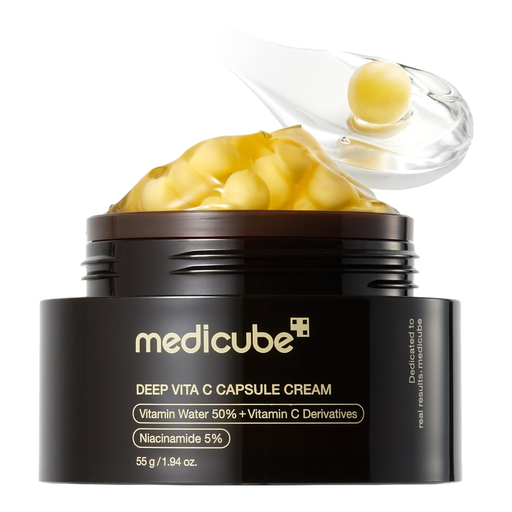
Why it suits this profile: The dual formula is designed for people who want to adjust the feel of the cream to their skin’s condition or when they use it.
According to the product description, you can mix the capsule and gel components in different proportions, so you’re not limited to one fixed texture.
According to the product information, the formula contains niacinamide, vitamin C derivatives, glycerin and sodium hyaluronate.

Why it suits this profile: According to the ingredients list, the formula focuses on ceramides, cholesterol, panthenol, squalane and several types of hyaluronic acid.
Its ingredient list makes it easier to choose a barrier-repair cream based on ingredients you can check, rather than relying on a marketing name alone.
80 ml size, ceramides NP, NS, AP, AS and EOP, plus hyaluronic acid variants according to the listed ingredients.
We’ve put together a complete, up-to-date list of products that meet these strict selection criteria and current European safety regulations.
For most daily routines, it’s common to apply cream after cleansing in the morning and evening. Always follow the instructions on the packaging. During the day, a sunscreen offering suitable protection is part of a complete skincare routine; face cream isn’t a substitute for it.
A lightweight gel cream or oil-free face moisturiser is usually a good choice. Look for a formula that doesn’t feel heavy, and check the ingredients. Beauty of Joseon Red Bean Hydrating Gel Cream and Clinique Dramatically Different Moisturizing Gel are examples in the range that, according to their product information, are aimed at oily skin.
Check the expiry date, the open-jar symbol and the directions on the packaging. Store the cream somewhere cool and dry, close the packaging securely, and don’t use the product if its smell, colour or texture has changed. If you’re using a cream for sensitive skin, take extra care with hygiene.
