
Vandaag of morgen in huis

Kwaliteit gegarandeerd

Welkomstaanbiedingen ontgrendelen: GRATIS bezorging | Tot 80% korting | Gratis 30 dagen JoyPlus-proefperiode
Download de app
Sensitive skin doesn’t always react to a product in the same way. One person might experience tightness, while another may notice redness, dryness or a burning sensation. That’s why good skincare for sensitive skin isn’t just about seeing the word “sensitive” on the packaging. The ingredients, how to use the product and the instructions are just as important.
A product may be marketed as gentle or suitable for sensitive skin, yet still contain fragrance or fragrance allergens. For example, NIVEA Moisturizing Cream in the blue tin contains Fragrance, Limonene, Geraniol and Benzyl Benzoate, among other ingredients. That doesn’t automatically make the cream unsuitable, but if you’re specifically looking for fragrance-free skincare, you’ll want to check for these ingredients.
An aftershave balm can also contain fragrance. For instance, NIVEA Aftershave Men Balm Sensitive lists Parfum in its ingredients. So if your skin reacts easily after shaving, it’s best not to rely on the product name alone.
A rich cream can feel soothing on dry skin, but too heavy on oilier or combination skin. Conversely, a light gel may not provide enough comfort for dry, irritated skin. So pay attention to the texture, where the product is intended to be used and how often it should be applied.
A face cream for sensitive skin may also have a different purpose from a product for your hands, body or dry patches.
Terms such as “soothing”, “repairing” or “protective” often describe how a brand positions its product. The brand’s own research or product information may include supporting test results, but these claims don’t guarantee that every skin type will react in the same way.
So always check:
Cosmetics are no substitute for medical advice if symptoms are severe or persistent.
For fragrance-free skincare, products without “Parfum” or “Fragrance” in the ingredients list are a sensible starting point. Also look out for individual fragrance ingredients, such as limonene or geraniol. “Natural” doesn’t automatically mean a product won’t cause a skin reaction.
One example is NIVEA Soothing Night Cream. The product information describes it as fragrance-free and lists ingredients such as glycerine, shea butter, panthenol and liquorice extract. Always check the current packaging before buying, as formulations can change.
A moisturising cream for sensitive skin often contains humectants such as glycerine, panthenol or hyaluronic acid. Oily ingredients can help lock in moisture for longer, but they also affect how heavy a cream feels.
For dry, irritated skin, a product for targeted use may be more practical than a single all-purpose face cream. According to the product information, Lucovitaal Extremely Dry Irritated Skin Cream is intended for dry, irritated and cracked skin. It contains glycerine, panthenol, shea butter, ceramide NP and sodium hyaluronate, among other ingredients.
A day cream for sensitive skin with UV protection can be handy for everyday use. Check the SPF, the instructions for use and whether you need to reapply. According to the product information, P20 Sensitive Face Cream has SPF 50+. The instructions recommend applying it generously and evenly before going out in the sun, then reapplying regularly, especially after sweating or drying yourself.
Using sun cream for sensitive skin isn’t a reason to stay in the sun for longer. Avoid prolonged exposure and follow the warnings on the packaging.
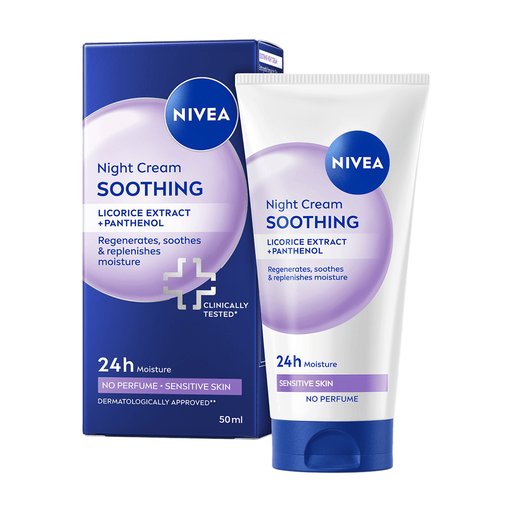
Why it suits this profile: A practical choice if you’re looking for a simple night-time routine for sensitive skin.
The product information describes it as fragrance-free, helping you make a more informed choice than relying on the word “sensitive” alone.
50 ml; contains glycerine, panthenol and shea butter; designed for use as a night cream.
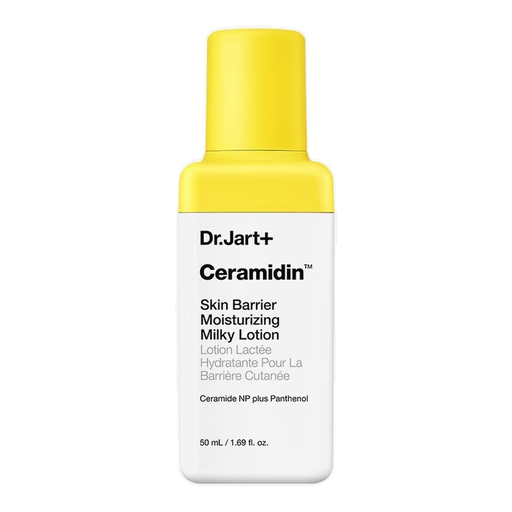
Why it suits this profile: A good option if you’re after a light lotion to wear under make-up or sun cream during the day.
The lotion texture helps you avoid automatically choosing a heavy cream for everyday use.
50 ml; contains panthenol, ceramide 3 and glycerine; a lightweight lotion for everyday use.
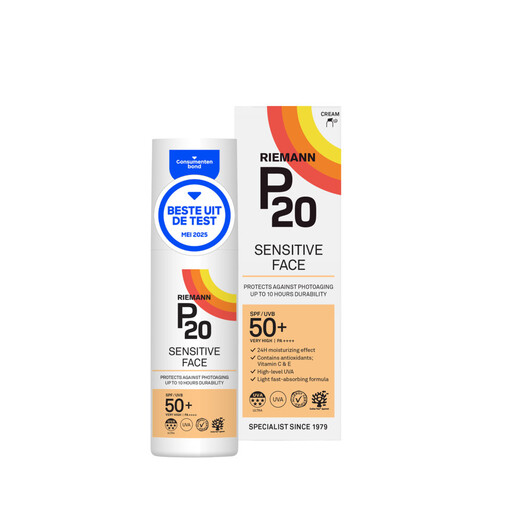
Why it suits this profile: For anyone looking to combine daily facial skincare with a high level of UV protection.
The SPF is clearly stated, and the instructions explain how to apply it generously and reapply it.
50 g; SPF 50+; contains glycerine, panthenol and squalane.
We’ve put together a complete, up-to-date list of products that meet these strict selection criteria and comply with current European safety regulations.
Look for a formula with humectants such as glycerine or panthenol, and check whether it contains fragrance. For localised dry or cracked skin, a targeted cream may be more practical than a general day cream.
No, but fragrance-free products can be a sensible choice if your skin reacts easily to fragrance. Check the full ingredients list, not just the front of the packaging.
It depends on the size, how much you use each time and how often you apply it. Check the open-jar symbol, for example 12M, and follow the shelf-life information on the packaging. Stop using a product if its smell, colour or texture changes noticeably.
