
Vandaag of morgen in huis

Kwaliteit gegarandeerd

Welkomstaanbiedingen ontgrendelen: GRATIS bezorging | Tot 80% korting | Gratis 30 dagen JoyPlus-proefperiode
Download de app
A tinted moisturiser combines skincare with a touch of colour. It sounds simple, but the range runs from a sheer skin tint to a BB cream with medium coverage. Tinted day creams, tinted sunscreens and foundations with SPF often appear in the same search results, even though their properties can vary considerably.
These common pitfalls can end up costing you money:
A skin tint usually offers sheer to light coverage. Your natural skin remains visible, giving a subtle result. It’s a good choice for everyday wear, such as for work, running errands or a natural make-up look.
A BB cream often offers more coverage. The Missha M Perfect White BB NO.23 is described in the product information as a BB cream with medium to high coverage. That puts it in a different category from a light tinted day cream. It’s best to start with a thin layer and build coverage only in specific areas.
Also bear in mind that “medium coverage” is different from a full-coverage foundation. Neither term on its own tells you how the product will look on your skin.
The finish determines how your skin looks after application:
If you’re looking for a foundation for sensitive skin, it’s worth checking the full ingredients list. Look out for ingredients such as fragrance, alcohol denat. and known allergens. “Hypoallergenic” doesn’t guarantee that everyone will tolerate the product. If you have sensitive skin, test it on a small area first and stop using it if irritation occurs.
For a foundation for acne-prone skin, claims such as “non-comedogenic” may be relevant, but they’re no personal guarantee. Check the texture too, and avoid applying a heavy layer if you want to keep pores less noticeable.
A foundation with SPF or a tinted moisturiser with SPF can be practical for everyday use. DELFRA COMPLEXION RESCUE is described as having mineral SPF 30 and coverage that ranges from sheer to light. The manufacturer also states that it has an oil-free matte finish. These are product claims, so consider them alongside the ingredients list and your own experience of the product.
Apply SPF products generously and evenly to get close to the stated level of protection. For outdoor activities, swimming or heavy sweating, follow the instructions on the packaging. A tinted sunscreen isn’t automatically a substitute for reapplication.
Ingredients can help you compare products:
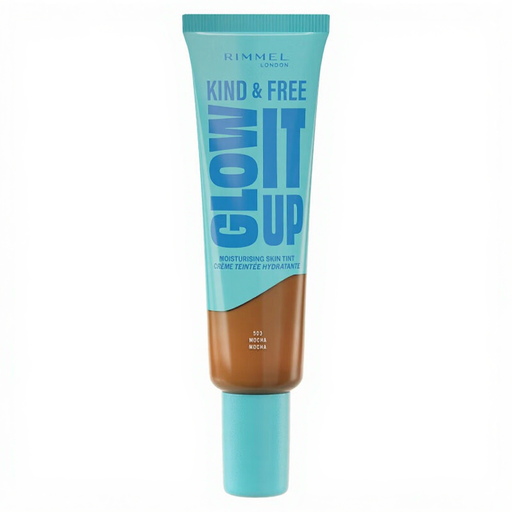
Why it suits this profile: According to the product information, this liquid formula is designed for everyday use and offers medium coverage with a dewy finish. Apply it with your fingers or a sponge.
The product category, shade and coverage are clearly stated. Still, check first that Mocha suits your undertone; a “natural” finish doesn’t mean every shade will work for everyone.
30 ml capacity, medium coverage and a liquid formula for even application.
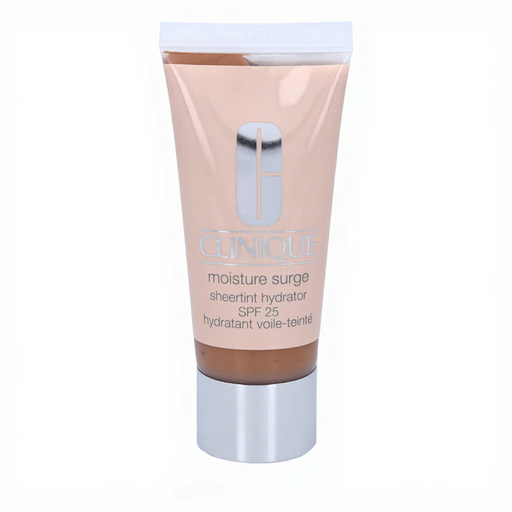
Why it suits this profile: The product description presents it as a skincare and make-up hybrid with light coverage, SPF 25 and an oil-free formula. It’s a good fit if you want to combine skincare and make-up in one step in the morning.
The SPF rating is clearly stated. As the shade is #04 Universal Medium, it’s still important to check the undertone and make sure the colour is a good match.
40 ml capacity, SPF 25, a light tint and, according to the description, an oil-free texture.
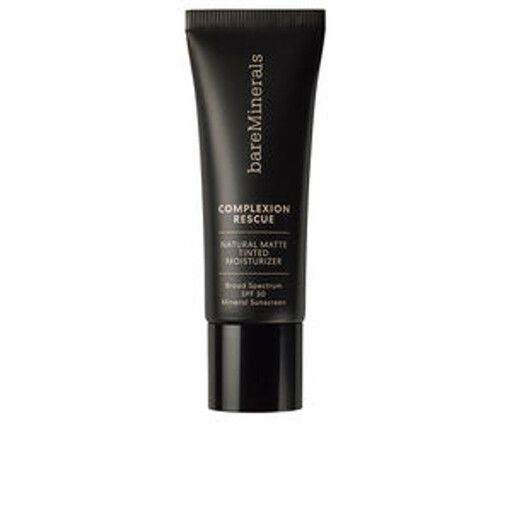
Why it suits this profile: According to the product information, this is a mineral tinted moisturiser with SPF 30, a matte finish and light, buildable coverage. It may suit oily, sensitive or acne-prone skin if you want to reduce shine.
Coverage, finish and SPF are specified separately. Don’t expect high coverage: you may need to apply concealer to specific areas to cover noticeable blemishes.
35 ml capacity, SPF 30, mineral filters according to the product information, and sheer to light coverage.
We’ve put together a complete, up-to-date list of products that meet these strict selection criteria and comply with current European safety regulations.
If you have dry skin, a rich base can help make flakiness less noticeable. If your skin is oily, a thin layer is often more comfortable than applying lots of product. Remove your make-up at the end of the day, and check the expiry date and period-after-opening symbol on the packaging.
No. A tinted moisturiser is generally lighter and combines colour with a skincare base. Foundation is primarily designed to even out your complexion and can offer anything from light to high coverage. A BB cream often sits somewhere between the two, depending on the formula.
That depends on your skin type and the formula. If you have dry skin, you may need extra hydration. If your skin is normal or combination, the product may feel comfortable enough on its own. Always check whether the tinted moisturiser contains SPF and what rating is stated.
Follow the expiry date and the period-after-opening symbol on the packaging. Many make-up products, for example, state 6M or 12M after opening, but this varies by product. Keep the packaging tightly closed and out of direct sunlight, and stop using the product if its smell, colour or texture changes.
